Fire Protection Services for Data Centers
Data Center Fire Protection Systems, Inspections & Compliance Services
Protecting Mission-Critical Data Centers from Fire Risks
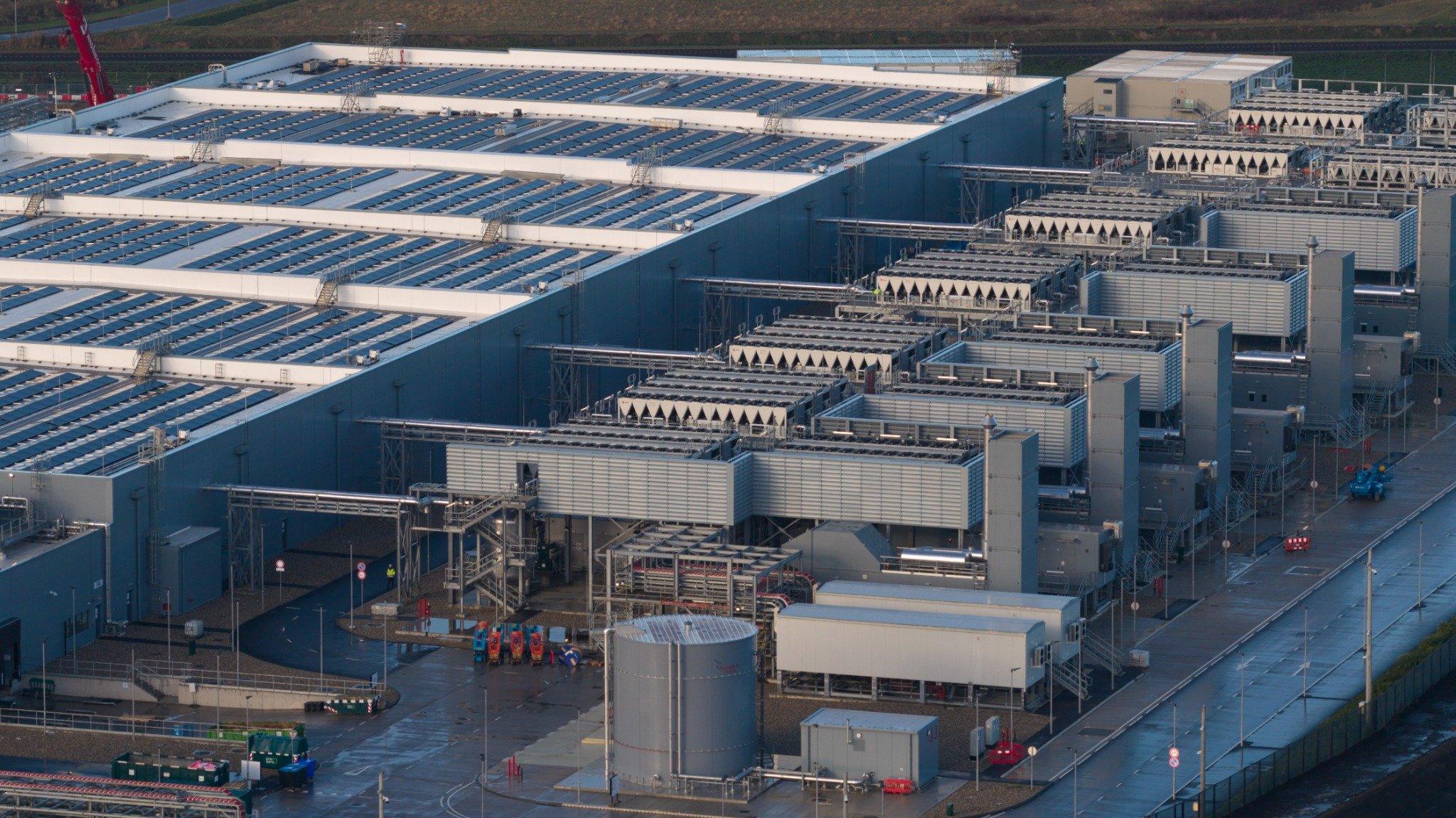
Modern data centers are among the most critical facilities in today’s economy, supporting cloud computing, telecommunications, financial services, healthcare systems, government operations, and countless business applications. Even a minor fire event or accidental system discharge can result in significant operational disruptions, costly downtime, and permanent equipment loss.
Unlike traditional commercial buildings, data centers require specialized fire protection strategies that balance life safety with asset protection and business continuity. Our team provides comprehensive fire protection solutions designed specifically for mission-critical environments, including system design, installation, inspections, testing, maintenance, monitoring, and ongoing compliance support.
Unique Fire Risks in Data Centers
Data centers contain unique fire hazards that require advanced fire protection systems and specialized maintenance programs.
Common fire risks include:
- High-density electrical equipment
- Server racks and cabinets
- Battery energy storage systems (BESS)
- UPS equipment
- Power distribution units
- Electrical switchgear
- Generator rooms
- HVAC equipment
- Cable trays and wiring
- Lithium-ion battery systems
- Cooling infrastructure
Because even small fires can damage sensitive electronics or interrupt operations, rapid detection and specialized suppression technologies are essential.
Fire Protection Systems Commonly Used in Data Centers
Data centers typically utilize multiple integrated fire protection systems designed to detect fires quickly while minimizing equipment damage.
Pre-Action Fire Sprinkler Systems
Pre-action sprinkler systems are one of the most common solutions for data centers because they reduce the risk of accidental water discharge while still providing effective fire suppression when required.
Common applications include:
- Server rooms
- Colocation facilities
- Telecommunications rooms
- Control centers
- IT equipment rooms
Clean Agent Fire Suppression Systems
Clean agent systems suppress fires without leaving residue or damaging electronic equipment.
Common clean agent systems include:
- FM-200
- FE-13
- NOVEC-type clean agents
- Inert gas systems
These systems help protect mission-critical equipment while minimizing downtime after discharge.
Vortex Fire Suppression Systems
Vortex fire suppression is a hybrid suppression technologies utilizing water mist and inert gas provide protection for sensitive environments while reducing collateral damage from suppression activities.
Water Mist Fire Suppression Systems
Water mist systems utilize extremely fine water droplets that absorb heat rapidly while using significantly less water than conventional sprinkler systems.
These systems are commonly used in specialized equipment rooms and critical infrastructure applications.
Fire Alarm Systems
Early detection is one of the most important components of data center fire protection.
Fire alarm systems may include:
- Very Early Smoke Detection Apparatus (VESDA)
- Aspirating smoke detection
- Spot smoke detection
- Heat detection
- Emergency notification systems
- Voice evacuation systems
Rapid detection helps minimize damage and improve emergency response.
Fire Alarm Monitoring
Professional monitoring provides continuous supervision of alarm conditions and communication pathways, helping ensure rapid emergency response regardless of facility occupancy.
Fire Pumps
Large enterprise data centers often require dedicated fire pumps to maintain required sprinkler system pressures.
Data Center Inspection & Testing Requirements
Mission-critical facilities require routine inspection and maintenance to ensure all fire protection systems remain operational and code compliant.
Typical inspection programs include:
-
- Fire sprinkler inspections
- Fire alarm inspections
- Backflow preventer testing
- Clean agent inspections
- Detection system testing
- Fire pump testing
- Monitoring communication testing
- Battery system inspections
- Emergency lighting inspections
Routine inspections help identify deficiencies before they impact system reliability.
Applicable NFPA Standards for Data Centers
Data centers are subject to multiple NFPA standards depending on occupancy type and fire protection systems installed.
Common standards include:
- NFPA 13 — Installation of Sprinkler Systems
- NFPA 25 — Inspection, Testing & Maintenance of Water-Based Fire Protection Systems
- NFPA 72 — National Fire Alarm and Signaling Code
- NFPA 75 — Protection of Information Technology Equipment
- NFPA 76 — Telecommunications Facilities
- NFPA 2001 — Clean Agent Fire Extinguishing Systems
- NFPA 70 — National Electrical Code
- NFPA 855 — Energy Storage Systems
Additional state and local requirements may apply based on facility operations and occupancy classification.
Authorities Having Jurisdiction (AHJs)
Data centers often operate under oversight from multiple agencies and organizations including:
- Local Fire Marshal
- Building Department
- Insurance Carrier Representatives
- Electrical Inspectors
- Local Code Officials
- Utility Providers
- Municipal Authorities
- Third-party certification organizations
Facilities supporting government or healthcare operations may have additional compliance requirements.
Fire Protection Best Practices for Data Centers
Maintaining reliable fire protection requires continuous attention to changing technology and operational requirements.
Best practices include:
- Perform routine inspections and testing
- Maintain clean agent system integrity
- Test monitoring communications regularly
- Verify room integrity for clean agent systems
- Protect underfloor cable spaces
- Coordinate system modifications during renovations
- Maintain backup power for fire alarm systems
- Document all inspections and impairments
- Review suppression systems after equipment additions
Regular maintenance helps maximize uptime while supporting compliance and operational continuity.
The Risks of Fire Protection Non-Compliance
Failure to properly maintain fire protection systems can have significant consequences for mission-critical facilities.
Potential risks include:
- Extended downtime
- Data loss
- Equipment damage
- Business interruption
- Regulatory penalties
- Failed inspections
- Insurance claim complications
- Increased liability exposure
- Customer service disruptions
Even a minor incident can result in substantial financial losses if systems are not properly maintained.
Why Integrated Fire Protection Matters for Data Centers
- Data centers depend on multiple systems working together seamlessly.
- Detection systems identify hazards.
- Monitoring services transmit alarm signals.
- Suppression systems control fire conditions.
- Emergency power systems maintain life safety functions.
- When these systems are integrated and maintained together, facilities benefit from improved reliability, simplified compliance, and enhanced protection for mission-critical operations.
Frequently Asked Questions
Why do data centers use pre-action sprinkler systems?
Pre-action systems reduce the risk of accidental water discharge while providing automatic fire suppression when detection criteria are met.
What is the best fire suppression system for data centers?
Many facilities utilize clean agent suppression systems or pre-action sprinkler systems depending on operational requirements and hazard analysis.
Why is early smoke detection important in data centers?
Early detection technologies such as aspirating smoke detection can identify fire conditions before visible smoke develops, reducing damage and downtime.
Do clean agent systems damage electronics?
No. Clean agent systems are designed to suppress fires without leaving residue or harming sensitive electronic equipment when properly designed and maintained.
How often should data center fire protection systems be inspected?
Inspection frequencies vary by system type but generally follow NFPA requirements for fire alarms, sprinklers, clean agent systems, fire pumps, and monitoring equipment.
Are data centers required to have fire alarm monitoring?
Many mission-critical facilities utilize 24/7 monitoring to ensure alarm signals receive immediate attention regardless of occupancy.
Can fire protection systems be upgraded as data centers expand?
Yes. Fire protection systems should be evaluated whenever equipment density, occupancy, battery storage, or facility layouts change.
Why should one provider manage multiple fire protection systems?
Coordinating inspections, maintenance, monitoring, and repairs under one provider helps simplify compliance, improve communication, and reduce operational risk.
Comprehensive Fire Protection for Mission-Critical Facilities
Data centers require specialized fire protection strategies that go beyond traditional commercial fire safety. Through integrated engineering, inspections, testing, maintenance, monitoring, suppression systems, and compliance support, we help operators protect critical infrastructure, maintain uptime, and safeguard the technology that powers today’s connected world.
Request A Quote
VFPG News
- Commercial Fire Protection Systems: The Complete Guide to Protecting Your Business
- The Ultimate Guide to Commercial Fire Code Compliance: NFPA Standards, Inspections, and Staying Ahead of Changing Regulations
- The Ultimate Guide to Commercial Fire Alarm Systems: Design, Code Requirements, Wireless Technology, Warranties, and Multi-Building Protection
- Commercial Fire Sprinkler Maintenance: The Complete Guide to Inspections, Repairs, Corrosion Prevention, and Long-Term Reliability
- Commercial Fire Alarm Inspections: The Complete Guide to Inspection Frequencies, Testing Requirements, and Code Compliance
- Commercial Fire Inspections: The Complete Guide to Code Compliance, Safety, and Protecting Your Business
- Why Does Your Commercial Fire Alarm Keep Going Off? Common Causes and How to Fix Them
- The 5 Types of Commercial Fire Extinguishers: Which One Does Your Business Need?
- How Fire Sprinkler Systems Minimize Fire Damage in Commercial Buildings
- High-Rise Fire Protection Systems: Essential Life Safety Solutions for Tall Buildings
VFPG Companies