Fire Protection Resource Center
Blogs, Frequently Asked Questions, Code Compliance, and more Expert insights to help facilities stay safe and compliant.
Fire Protection Articles
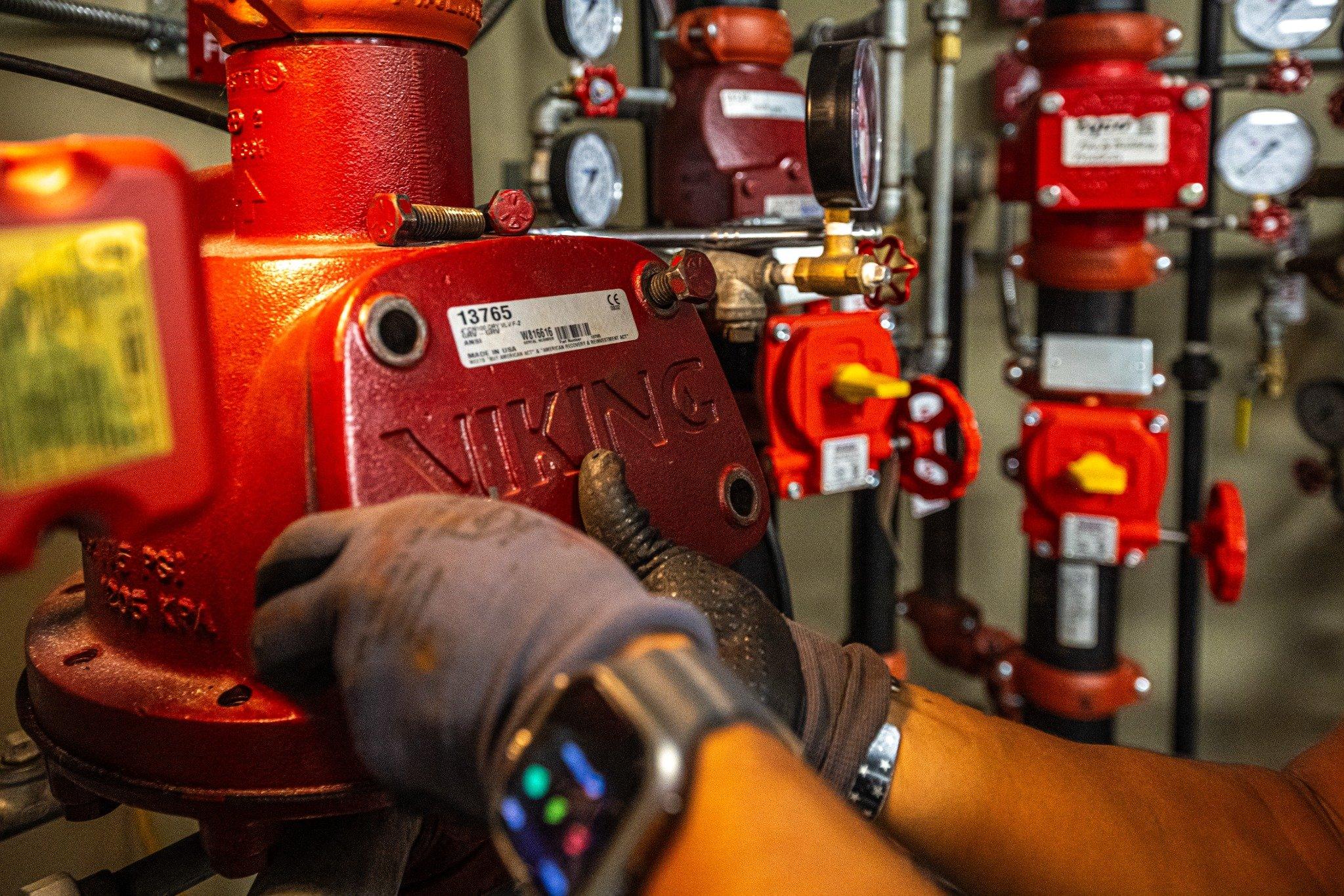
Commercial Fire Protection Systems: The Complete Guide to Protecting Your Business
A fire protection system is one of the most valuable investments a commercial property owner can make. Beyond meeting code requirements, today’s fire protection systems...
Read More >>
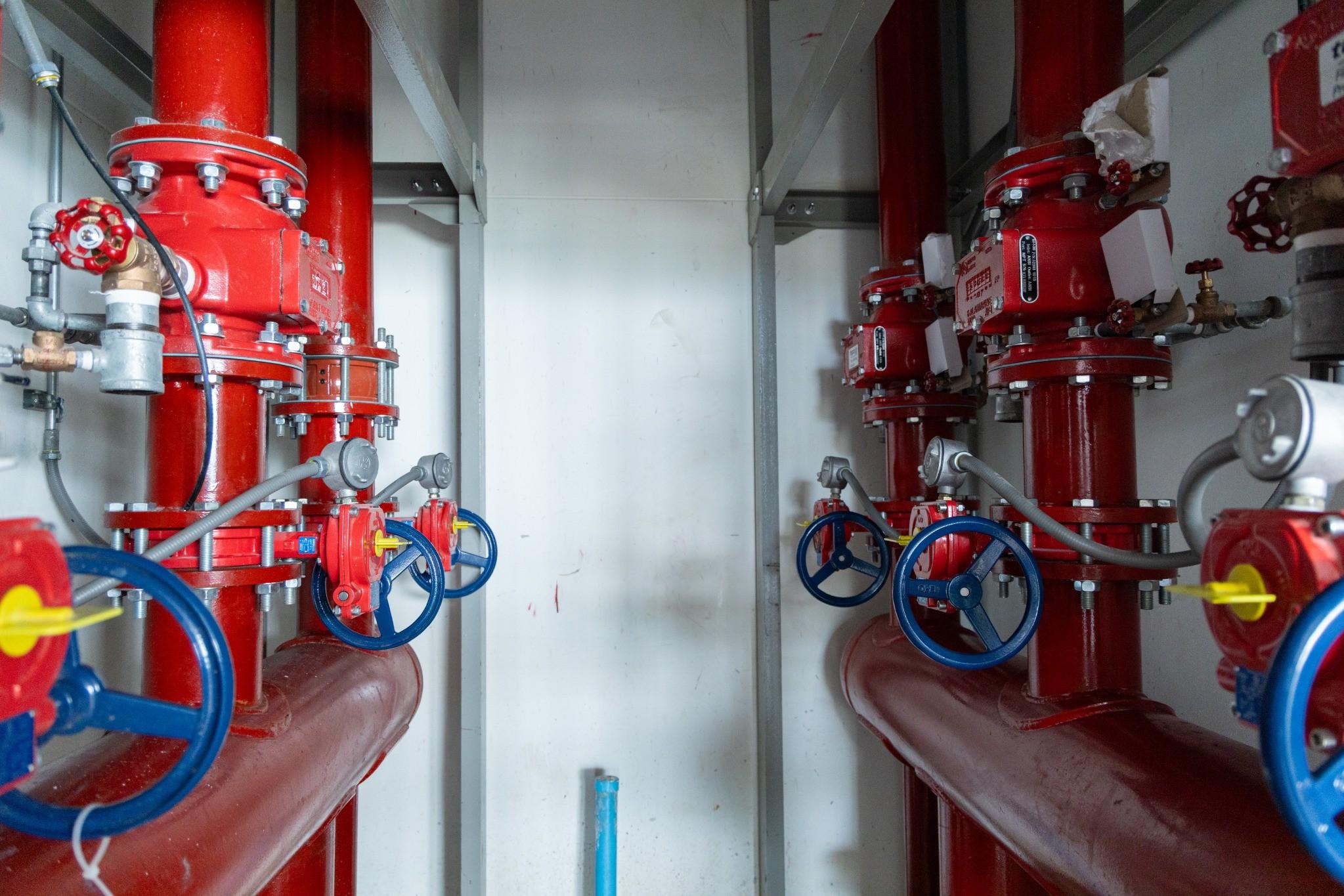
The Ultimate Guide to Commercial Fire Code Compliance: NFPA Standards, Inspections, and Staying Ahead of Changing Regulations
Fire codes are constantly evolving. New technologies, updated building standards, emerging fire hazards, and lessons learned from real-world fire incidents all contribute to changes in...
Read More >>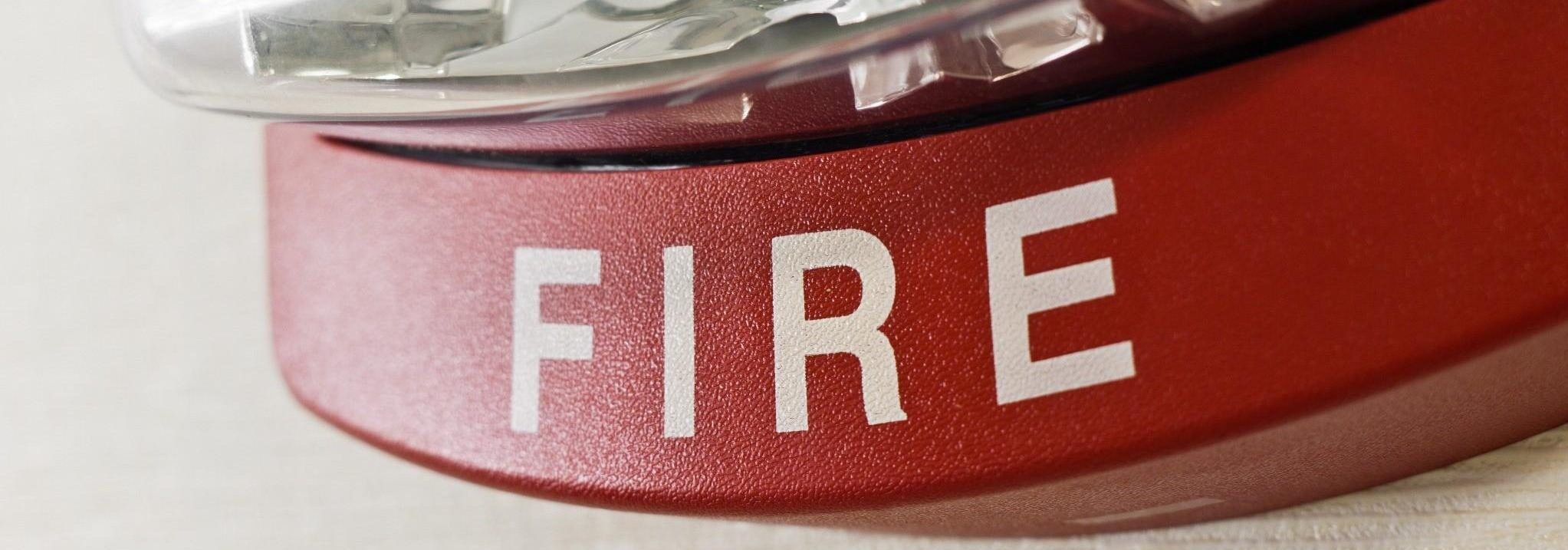
The Ultimate Guide to Commercial Fire Alarm Systems: Design, Code Requirements, Wireless Technology, Warranties, and Multi-Building Protection
Installing a commercial fire alarm system is one of the most important investments a business owner can make. A properly designed system protects lives, minimizes...
Read More >>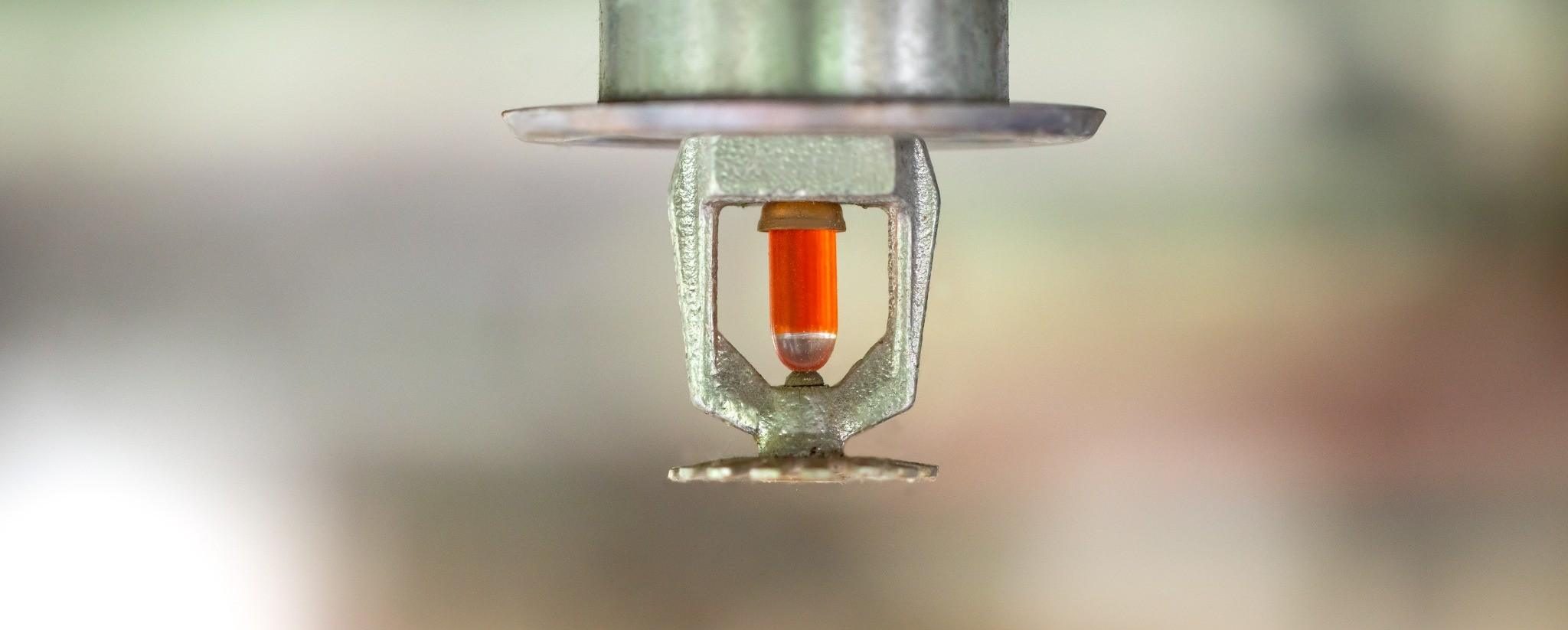
Commercial Fire Sprinkler Maintenance: The Complete Guide to Inspections, Repairs, Corrosion Prevention, and Long-Term Reliability
A commercial fire sprinkler system is one of the most dependable life safety systems found in a building—but only when it is properly maintained. Many...
Read More >>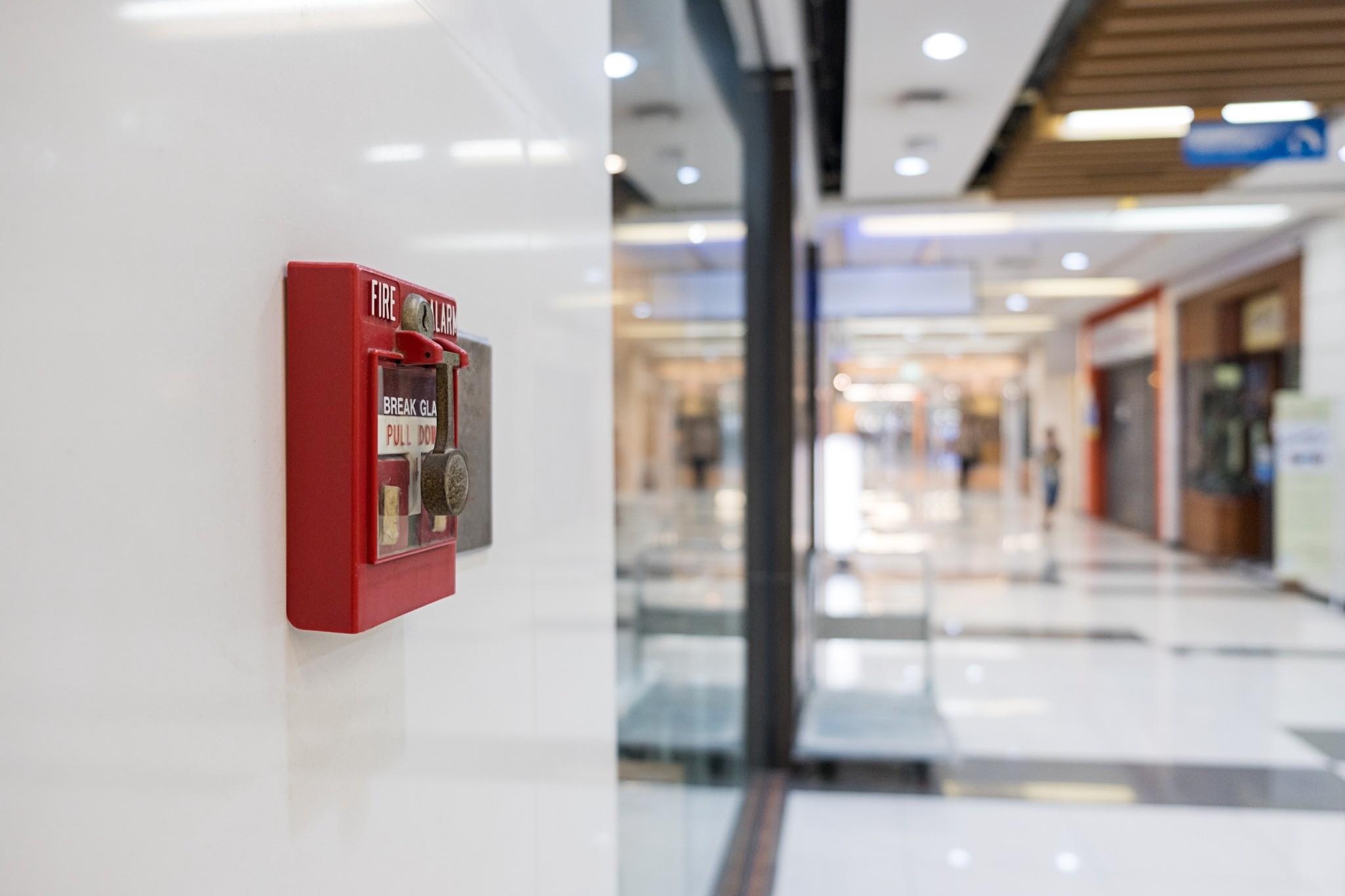
Commercial Fire Alarm Inspections: The Complete Guide to Inspection Frequencies, Testing Requirements, and Code Compliance
A commercial fire alarm system is one of the most critical life safety systems in any building. It provides early warning during a fire emergency,...
Read More >>Fire Protection Frequently Asked Questions
How often do commercial fire sprinkler systems need to be inspected?
Fire sprinkler systems must be inspected, tested, and maintained according to NFPA 25 requirements, with frequencies ranging from monthly to annually depending on the component.
What is included in a fire sprinkler inspection?
A fire sprinkler inspection typically includes control valves, gauges, sprinkler heads, piping, alarms, waterflow devices, and other critical system components.
What are the most common fire sprinkler deficiencies?
Common deficiencies include obstructed sprinkler heads, corrosion, leaking fittings, damaged components, closed valves, and inadequate clearance below sprinklers.
How often do fire sprinkler systems require testing?
Testing requirements vary but often include annual testing, five-year internal pipe inspections, and periodic waterflow and alarm testing.
What is NFPA 25?
NFPA 25 is the standard that governs the inspection, testing, and maintenance of water-based fire protection systems.
Can a fire sprinkler system fail an inspection?
Yes. Deficiencies such as damaged sprinklers, impaired valves, corrosion, or missing documentation can result in inspection failures.
How long do fire sprinkler systems last?
Many fire sprinkler systems can remain in service for decades when properly maintained, although certain components require periodic replacement or testing.
When should a fire sprinkler system be upgraded?
Upgrades may be necessary during renovations, occupancy changes, code updates, facility expansions, or when system deficiencies cannot be repaired.
How often should a commercial fire alarm system be inspected?
Most commercial fire alarm systems require annual inspections, although certain devices and functions may require more frequent testing.
What does a fire alarm inspection include?
Fire alarm inspections typically include testing of initiating devices, notification appliances, monitoring communications, batteries, control panels, and supervisory functions.
What is NFPA 72?
NFPA 72 is the National Fire Alarm and Signaling Code, which establishes requirements for fire alarm system design, installation, testing, inspection, and maintenance.
How often should fire alarm batteries be replaced?
Battery replacement schedules vary by manufacturer and condition, but batteries should be tested regularly and replaced when they no longer meet performance requirements.
What causes fire alarm systems to fail inspections?
Common causes include failed devices, communication issues, battery problems, outdated equipment, improper documentation, and deferred maintenance.
Do fire alarm systems require monitoring?
Many commercial occupancies require monitoring based on occupancy type, fire code requirements, insurance requirements, or AHJ regulations.
What is central station fire alarm monitoring?
Central station monitoring provides 24/7 supervision of alarm signals and initiates emergency notification procedures when alarm conditions occur.
How does fire alarm monitoring work?
When an alarm activates, signals are transmitted to a monitoring center where trained operators follow established response procedures.
Are traditional phone lines still acceptable for fire alarm monitoring?
Many facilities are transitioning away from traditional phone-line monitoring as telecommunications providers continue phasing out legacy infrastructure.
What are the benefits of cellular fire alarm monitoring?
Cellular monitoring often provides faster signal transmission, improved reliability, and reduced dependence on aging phone systems.
How often do fire pumps need to be tested?
Fire pumps typically require weekly, monthly, quarterly, annual, and periodic flow testing as outlined by NFPA 25.
What happens during a fire pump inspection?
Inspections may include operational testing, controller inspections, fuel system evaluations, pressure readings, and performance verification.
How often must commercial backflow preventers be tested?
Most commercial backflow prevention assemblies require annual testing by a certified technician.
Why is backflow testing required?
Backflow testing helps protect potable water systems from contamination caused by reverse water flow conditions.
How often should kitchen hood fire suppression systems be inspected?
Most commercial kitchen suppression systems require semi-annual inspections in accordance with NFPA standards.
What is included in a kitchen hood suppression inspection?
Inspections typically include nozzles, cylinders, detection systems, fusible links, appliance coverage, and system actuation components.
Can one company inspect all of my fire protection systems?
Many fire protection providers can inspect, test, maintain, repair, and monitor multiple fire and life safety systems, helping simplify compliance management and documentation.
Request A Quote
VFPG Companies