Vortex Fire Suppression Systems for Critical Asset Protection
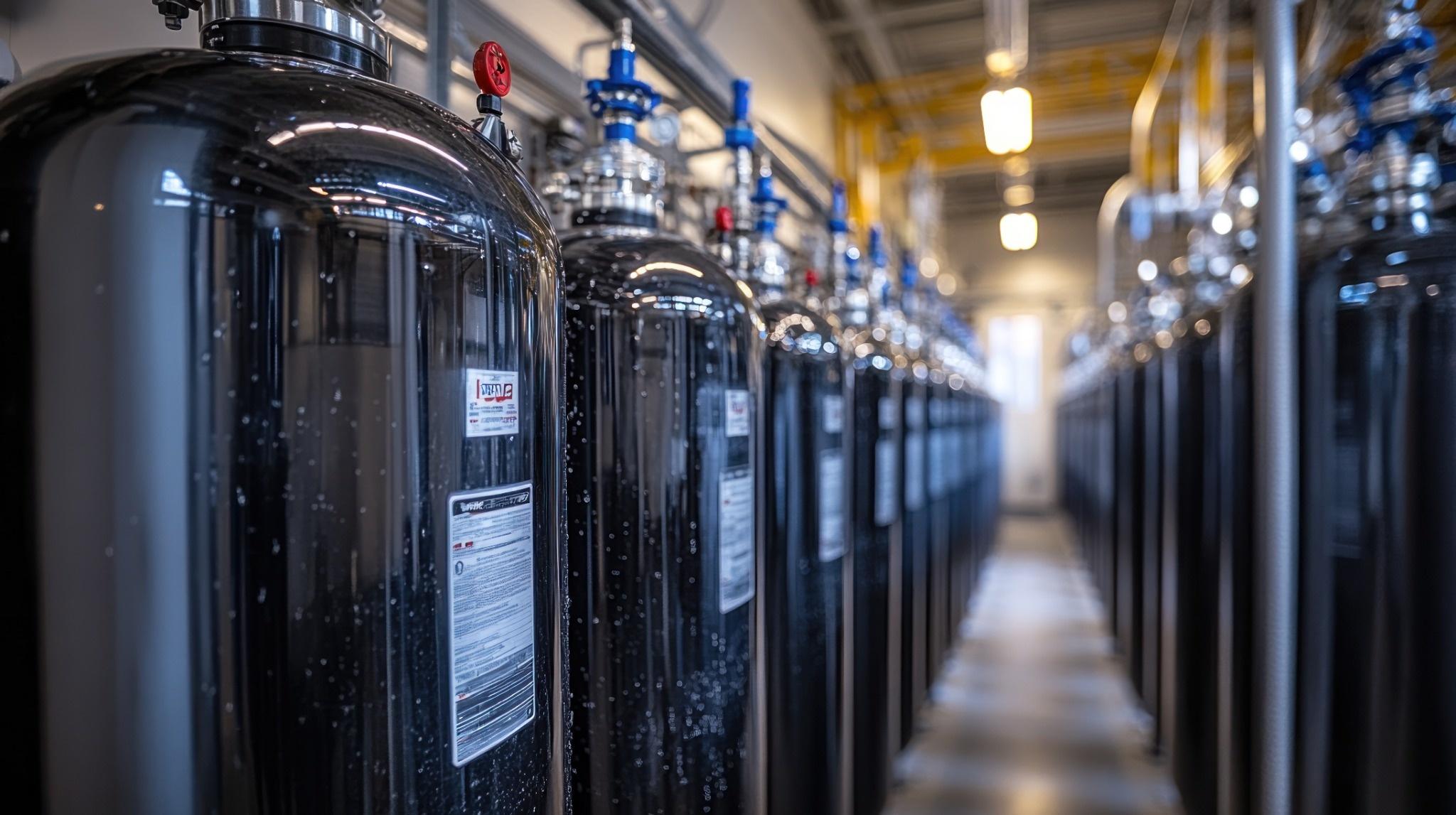
Vortex fire suppression systems combine water mist technology with inert gas suppression to protect sensitive commercial and mission critical environments. This hybrid suppression approach is designed to minimize water usage while providing effective fire protection for facilities requiring enhanced asset preservation.
Recommended Applications
Vortex systems are commonly used in:
- Archives
- Data centers
- Museums
- Control rooms
- Critical infrastructure facilities
- Sensitive equipment environments
How Vortex Systems Work
Vortex systems discharge a combination of nitrogen and ultra-fine water droplets to suppress fire while limiting oxygen availability near the flame. This hybrid approach helps reduce collateral damage while maintaining effective suppression performance.
Benefits of Vortex Systems
- Hybrid suppression technology
- Reduced water exposure
- Protection for sensitive assets
- Minimal cleanup requirements
- Supports operational continuity
Inspection & Maintenance Requirements
Maintenance programs may include:
- Cylinder inspections
- Pump testing
- Detection testing
- Nozzle inspections
- Control panel verification
- Room integrity evaluations
Common Vortex System Deficiencies
- Low cylinder pressure
- Detection faults
- Nozzle obstructions
- Pump impairments
- Control system failures
Relevant NFPA Standards
Vortex Fire Suppression Systems FAQs
What makes Vortex systems different?
Vortex systems combine inert gas and water mist suppression technologies.
Where are Vortex systems commonly installed?
They are often installed in sensitive environments requiring asset protection and minimal water exposure.
Do Vortex systems use large amounts of water?
No. These systems are designed to minimize water usage while maintaining suppression effectiveness.
Request A Quote
VFPG News
- Commercial Fire Protection Systems: The Complete Guide to Protecting Your Business
- The Ultimate Guide to Commercial Fire Code Compliance: NFPA Standards, Inspections, and Staying Ahead of Changing Regulations
- The Ultimate Guide to Commercial Fire Alarm Systems: Design, Code Requirements, Wireless Technology, Warranties, and Multi-Building Protection
- Commercial Fire Sprinkler Maintenance: The Complete Guide to Inspections, Repairs, Corrosion Prevention, and Long-Term Reliability
- Commercial Fire Alarm Inspections: The Complete Guide to Inspection Frequencies, Testing Requirements, and Code Compliance
- Commercial Fire Inspections: The Complete Guide to Code Compliance, Safety, and Protecting Your Business
- Why Does Your Commercial Fire Alarm Keep Going Off? Common Causes and How to Fix Them
- The 5 Types of Commercial Fire Extinguishers: Which One Does Your Business Need?
- How Fire Sprinkler Systems Minimize Fire Damage in Commercial Buildings
- High-Rise Fire Protection Systems: Essential Life Safety Solutions for Tall Buildings
VFPG Companies