
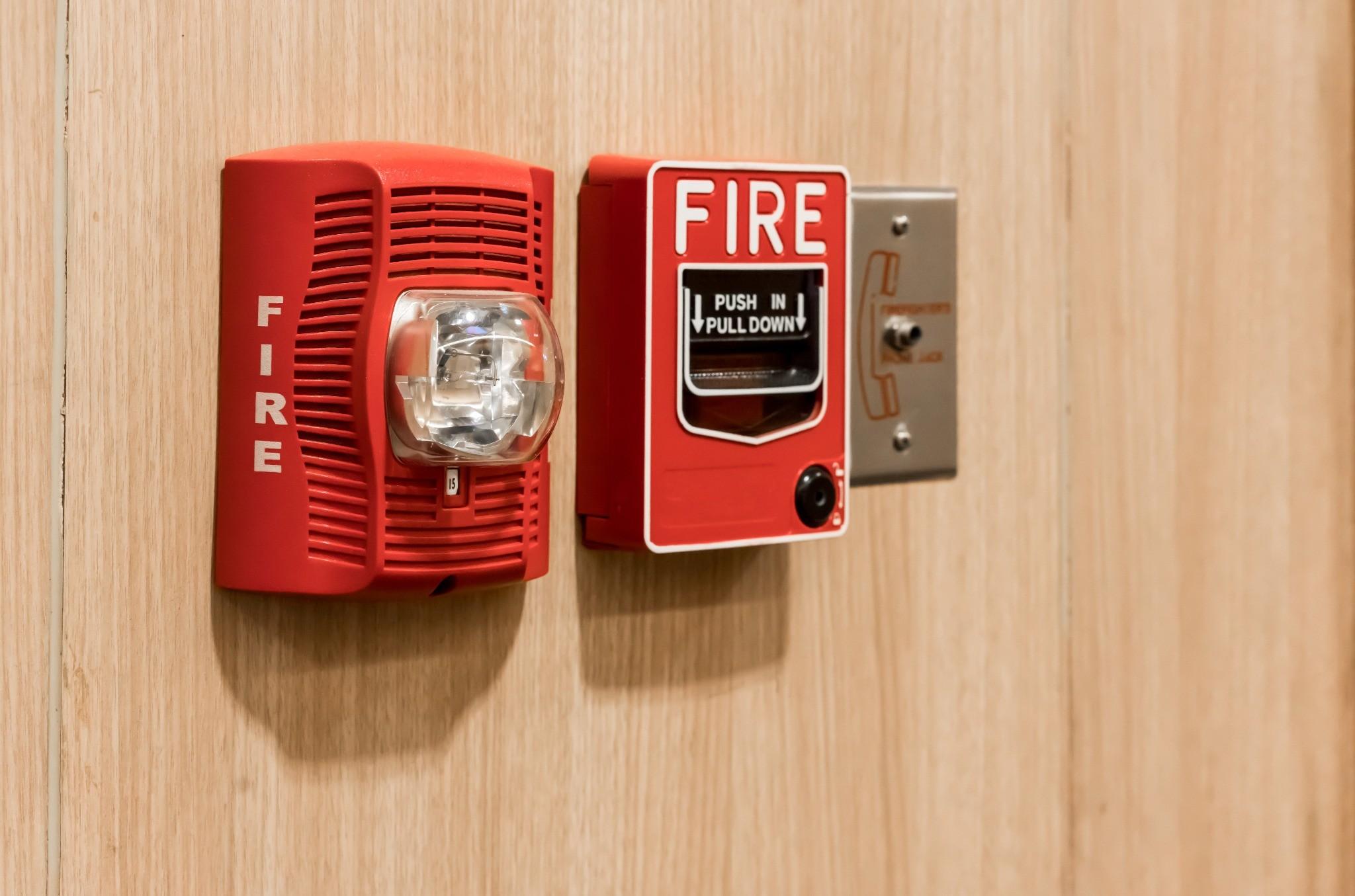
Few things are more disruptive to a commercial facility than repeated false fire alarms. Frequent fire alarm activations interrupt business operations, reduce employee productivity, frustrate occupants, and can even lead people to ignore alarms when a real emergency occurs. In some jurisdictions, repeated false alarms may also result in fines or additional scrutiny from the local fire department.
While every fire alarm activation should be taken seriously, many recurring alarms are caused by issues that can be identified and corrected through proper inspection, testing, maintenance, and system upgrades. Understanding the most common causes of nuisance alarms can help building owners and facility managers improve system reliability while maintaining compliance with fire codes.
This guide explains why commercial fire alarms repeatedly activate, how to troubleshoot common issues, and what steps you can take to keep your fire alarm system operating reliably.
Why False Fire Alarms Matter
A commercial fire alarm system is designed to provide early warning during an emergency. When nuisance alarms become frequent, they create unnecessary disruptions and may reduce occupant confidence in the system.
Repeated false alarms can result in:
• Business interruptions
• Production downtime
• Employee frustration
• Tenant complaints
• Lost productivity
• Emergency response costs
• Fire department fines in some jurisdictions
• Reduced confidence in life safety systems
Identifying the root cause quickly helps restore reliable operation while minimizing unnecessary disruptions.
Common Cause #1 – Dirty Smoke Detectors
Dust, dirt, insects, and airborne particles can accumulate inside smoke detectors over time.
This buildup may cause detectors to become overly sensitive, resulting in repeated alarm activations.
Buildings particularly susceptible include:
• Warehouses
• Manufacturing facilities
• Construction projects
• Industrial plants
• Older commercial buildings
Routine detector cleaning during scheduled inspections often resolves this issue.
Common Cause #2 – Improper Detector Placement
Smoke detectors installed in the wrong location frequently experience nuisance alarms.
Examples include detectors installed near:
• HVAC supply vents
• Commercial kitchens
• Loading docks
• Steam sources
• High-humidity areas
• Dust-producing equipment
Professional fire alarm design helps ensure detection devices are installed where they provide reliable protection without unnecessary activations.
Common Cause #3 – Construction or Renovation Activities
Building renovations frequently generate airborne dust that can activate smoke detectors.
Activities such as:
• Drywall installation
• Concrete cutting
• Sanding
• Painting
• Ceiling work
• Demolition
may require temporary detector protection or coordination with your fire protection provider to prevent nuisance alarms while maintaining life safety.
Common Cause #4 – Aging Detection Devices
Smoke detectors have a limited service life.
As detectors age, their sensitivity may drift outside acceptable operating ranges, increasing the likelihood of nuisance alarms or delayed fire detection.
Routine sensitivity testing helps identify detectors that should be cleaned, recalibrated, or replaced.
Common Cause #5 – Electrical Problems
Fire alarm systems depend on reliable electrical power and communication.
Potential electrical issues include:
• Loose wiring
• Voltage fluctuations
• Damaged circuits
• Ground faults
• Power supply failures
• Battery problems
These issues often require professional troubleshooting using specialized testing equipment.
Common Cause #6 – Environmental Conditions
Certain environmental conditions can trigger alarms even when no fire exists.
Examples include:
• Steam
• Condensation
• High humidity
• Extreme temperatures
• Dust
• Aerosol products
• Vehicle exhaust
• Welding fumes
Selecting the proper detector type for each environment helps reduce unwanted alarms.
Common Cause #7 – Water Intrusion
Leaks from roofs, plumbing systems, or HVAC equipment can damage fire alarm devices.
Water intrusion may affect:
• Smoke detectors
• Pull stations
• Control panels
• Notification appliances
• Wiring
• Power supplies
Addressing water leaks quickly helps prevent permanent equipment damage.
Common Cause #8 – Improper System Programming
Modern addressable fire alarm systems rely on sophisticated programming.
Programming errors may cause:
• Incorrect device responses
• Communication problems
• Repeated supervisory signals
• Trouble conditions
• Unexpected alarm activations
Qualified technicians should verify system programming whenever modifications or upgrades are performed.
Common Cause #9 – Battery or Backup Power Problems
Commercial fire alarm systems include backup batteries to maintain operation during power outages.
As batteries age, they may generate:
• Trouble signals
• Supervisory conditions
• Communication failures
• Intermittent alarms
Routine battery testing and scheduled replacement help prevent these issues.
Common Cause #10 – Lack of Routine Maintenance
Many nuisance alarms can be prevented through regular inspection and maintenance.
Routine service helps identify:
• Dirty detectors
• Loose wiring
• Aging components
• Communication problems
• Battery deficiencies
• Device failures
• Environmental concerns
Preventive maintenance remains one of the most effective ways to improve overall system reliability.
How Fire Alarm Inspections Help Prevent False Alarms
Routine inspections allow technicians to identify small issues before they become recurring problems.
Typical inspection services include:
• Detector testing
• Sensitivity testing
• Battery testing
• Notification appliance testing
• Control panel diagnostics
• Monitoring verification
• Wiring inspections
• Device cleaning
These inspections improve reliability while helping maintain compliance with NFPA standards.
Fire Alarm Monitoring Can Help Identify Problems
Many modern monitoring systems provide valuable diagnostic information that helps technicians identify recurring issues.
Monitoring can identify:
• Communication failures
• Trouble conditions
• Supervisory signals
• Power interruptions
• Device faults
Early notification allows corrective action before problems escalate into repeated alarm activations.
Applicable Fire Alarm Standards
Commercial fire alarm systems are designed, inspected, and maintained according to nationally recognized standards.
Frequently referenced codes include:
• NFPA 72 – National Fire Alarm and Signaling Code
• NFPA 70 – National Electrical Code
• NFPA 101 – Life Safety Code
Additional requirements may be established by local fire departments and the Authority Having Jurisdiction (AHJ).
When Should a Fire Alarm System Be Upgraded?
Sometimes recurring alarms indicate that the system has reached the end of its useful life.
Building owners should consider upgrades when:
• Replacement parts become difficult to obtain.
• Repeated repairs are required.
• Detectors are obsolete.
• Control panels no longer support expansion.
• System reliability declines.
• Building occupancy changes.
• Major renovations occur.
Upgrading aging systems often improves reliability while reducing long-term maintenance costs.
Fire Alarm Systems Are Part of a Complete Fire Protection Strategy
Although fire alarms provide early detection, they work best when integrated with other life safety systems.
A complete commercial fire protection program may include:
• Fire Sprinkler Systems
• Fire Alarm Monitoring
• Fire Pumps
• Fire Extinguishers
• Kitchen Hood Fire Suppression Systems
• Special Hazard Fire Suppression Systems
• Emergency Lighting
• Backflow Preventers
• Security & Access Control Systems
These systems work together to detect fires, notify occupants, suppress flames, and support emergency response.
Partner with Fire Alarm Professionals
Repeated fire alarm activations should never be ignored. While many nuisance alarms have relatively simple causes, identifying the true source requires experience, specialized testing equipment, and a thorough understanding of commercial fire alarm systems. Addressing problems early helps reduce disruptions, improve occupant confidence, and ensure your facility remains protected.
Whether you’re experiencing recurring false alarms, planning a system upgrade, or scheduling routine inspections, we provide complete fire alarm engineering, design, installation, inspections, testing, monitoring, maintenance, repairs, and emergency service for commercial facilities across virtually every industry. Our experienced team can identify the source of recurring alarms and help keep your fire alarm system operating reliably for years to come.