Fire Protection Services for Warehouses & Distribution Centers
Warehouse Fire Protection Systems, Inspections & Compliance Services
Protecting Warehouses from Complex Fire Risks
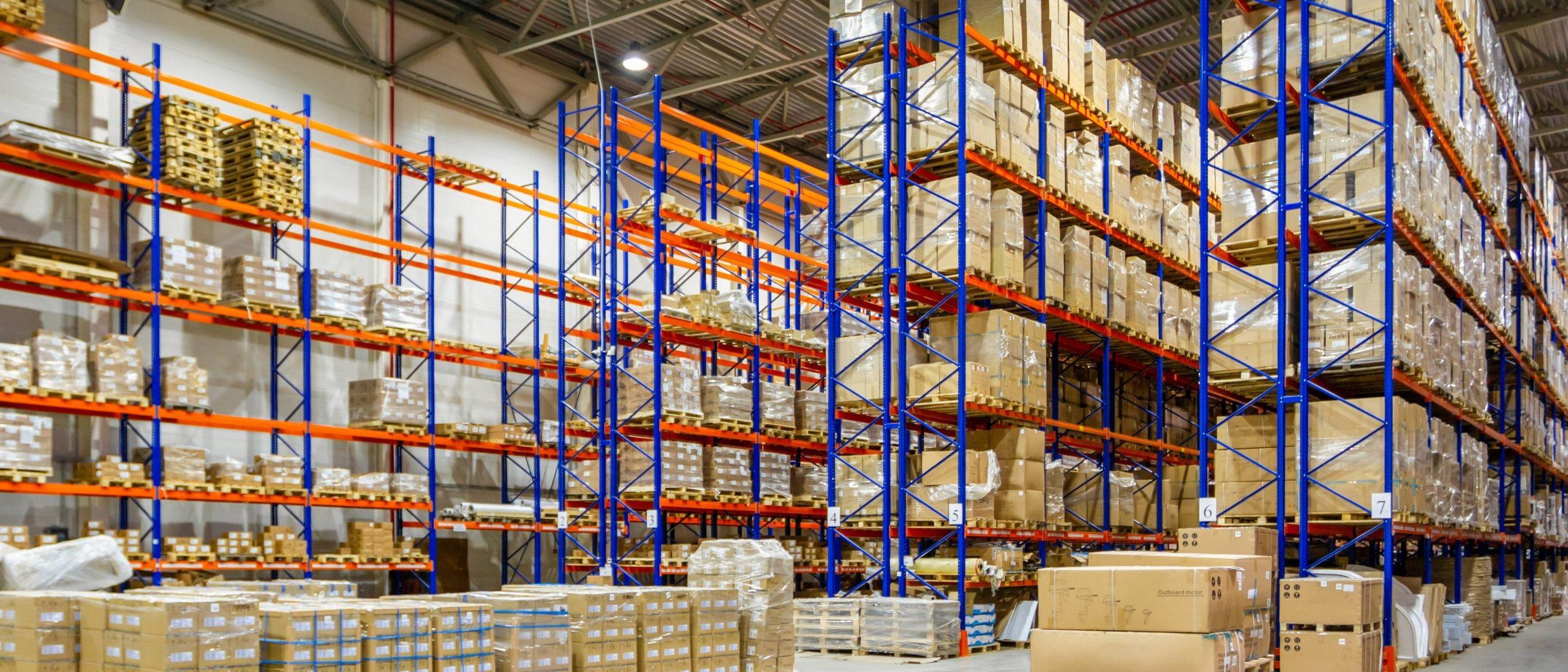
Modern warehouses and distribution centers face some of the most challenging fire protection requirements of any commercial occupancy. High-piled storage, automated retrieval systems, plastic commodities, combustible packaging materials, lithium-ion battery storage, and rapidly changing inventory configurations all increase fire hazards and complicate suppression strategies.
Whether operating a regional distribution center, manufacturing warehouse, e-commerce fulfillment center, cold storage facility, or logistics hub, maintaining compliant fire protection systems is essential for protecting employees, inventory, equipment, and business continuity.
Our team provides comprehensive fire protection services for warehouse facilities, including engineering and design, installation, inspections, testing, maintenance, monitoring, repairs, and code compliance support designed specifically for large storage occupancies.
Common Fire Hazards in Warehouses
Warehouses present unique fire risks that differ significantly from traditional office or commercial occupancies.
Common hazards include:
- High-piled combustible storage
- Plastic commodity storage
- Flammable liquids and aerosols
- Palletized storage
- Rack storage systems
- Battery charging stations
- Lithium-ion battery storage
- Conveyor systems
- Forklift operations
- Electrical equipment
- Packaging materials
- Shipping and receiving operations
As warehouse operations evolve, fire protection systems often require modifications to maintain adequate protection and code compliance.
Fire Protection Systems Commonly Used in Warehouses
Warehouse fire protection often involves multiple integrated systems designed to detect, control, and suppress fires before they spread throughout the facility.
ESFR Fire Sprinkler Systems
Early Suppression Fast Response (ESFR) sprinkler systems are commonly used to protect high-piled storage occupancies by delivering rapid suppression capabilities designed for modern warehouse environments.
Typical applications include:
- Distribution centers
- E-commerce fulfillment centers
- Manufacturing warehouses
- Retail logistics facilities
In-Rack Fire Sprinkler Systems
In-rack sprinklers provide additional protection within storage racks where commodity classifications or storage heights require supplemental suppression beyond ceiling-level systems.
Common applications include:
- High-density storage
- Plastic commodities
- Rack storage exceeding code thresholds
- Specialized warehouse layouts
Wet Pipe Fire Sprinkler Systems
Wet pipe sprinkler systems remain the most common solution for conditioned warehouse spaces where freezing temperatures are not a concern.
Dry Pipe Fire Sprinkler Systems
Dry pipe systems are frequently installed in:
- Loading docks
- Unheated storage areas
- Exterior canopies
- Cold climate warehouses
- Parking structures
Fire Alarm Systems
Fire alarm systems provide early detection and occupant notification while initiating emergency response procedures and system integration functions.
Warehouse fire alarm systems often include:
- Smoke detection
- Heat detection
- Horn and strobe notification
- Voice evacuation
- Monitoring communication
Fire Alarm Monitoring
Professional monitoring provides 24/7 supervision of alarm signals and ensures emergency notifications occur even when facilities are unoccupied.
Fire Pumps
Large warehouse facilities often require fire pumps to provide adequate water pressure and flow for sprinkler system performance.
Emergency & Exit Lighting
Emergency lighting systems help maintain safe occupant egress during power outages and emergency situations.
Warehouse Fire Protection Inspection Requirements
Routine inspections and testing help verify that warehouse fire protection systems remain operational and compliant with applicable codes.
Typical inspection programs include:
- Fire sprinkler inspections
- Fire alarm inspections
- Fire extinguisher inspections
- Backflow preventer testing
- Fire pump testing
- Waterflow testing
- Main drain testing
- Control valve inspections
- Emergency lighting inspections
- Monitoring communication testing
Regular inspection schedules help identify deficiencies before they impact system performance.
Applicable NFPA Standards for Warehouses
Warehouse fire protection commonly involves multiple NFPA standards depending on occupancy type and storage configuration.
Important standards include:
- NFPA 13 — Installation of Sprinkler Systems
- NFPA 25 — Inspection, Testing & Maintenance of Water-Based Fire Protection Systems
- NFPA 72 — National Fire Alarm and Signaling Code
- NFPA 10 — Portable Fire Extinguishers
- NFPA 20 — Installation of Fire Pumps
- NFPA 101 — Life Safety Code
- NFPA 855 — Energy Storage Systems (where applicable)
Additional local and state fire codes may also apply depending on facility operations and commodity classifications.
Authorities Having Jurisdiction (AHJs)
Warehouse facilities may be subject to oversight from multiple regulatory agencies and authorities including:
- Local Fire Marshal
- Building Department
- Insurance Carrier Representatives
- OSHA
- Municipal Water Authorities
- State Fire Marshal Offices
- Local Code Officials
Large distribution facilities often receive periodic inspections to verify ongoing compliance as storage conditions change.
Fire Protection Best Practices for Warehouses
Warehouse operations evolve constantly, making ongoing fire protection management essential.
Best practices include:
- Maintain proper clearance beneath sprinkler heads
- Avoid unauthorized storage height increases
- Keep fire lanes and exits unobstructed
- Inspect fire protection systems on required schedules
- Test fire pumps and alarms regularly
- Update fire protection systems after renovations
- Train employees on impairment procedures
- Maintain accurate inspection documentation
- Coordinate changes in storage layouts with fire protection professionals
Proactive maintenance helps reduce downtime while supporting long-term code compliance.
The Risks of Ignoring Fire Protection Requirements
Deferred maintenance or non-compliance can expose warehouse operators to significant operational and financial risks.
Potential consequences include:
- Failed AHJ inspections
- Insurance claim complications
- Regulatory penalties
- Increased liability exposure
- Business interruption
- Inventory loss
- Equipment damage
- Extended facility downtime
- Increased risk to employees and first responders
Routine inspections and preventive maintenance help reduce these risks while improving overall facility protection.
Why Partner With One Fire Protection Provider?
Managing multiple vendors for inspections, alarms, sprinklers, monitoring, fire pumps, and backflow devices can create unnecessary complexity.
Working with a single fire protection partner helps simplify:
- Inspection scheduling
- Deficiency tracking
- Compliance documentation
- Emergency service
- Preventive maintenance
- Monitoring services
- System upgrades
- Long-term facility planning
Coordinated fire protection management helps reduce administrative burden while improving system reliability across the entire facility.
Frequently Asked Questions
What type of sprinkler system is best for warehouses?
Many warehouses utilize ESFR or in-rack sprinkler systems depending on storage height, commodity classification, and facility design.
How often should warehouse sprinkler systems be inspected?
Inspection and testing schedules are generally established by NFPA 25 and local code requirements, with frequencies varying by system component.
Do warehouse fire alarms require annual testing?
Yes. Fire alarm systems typically require annual inspections and testing along with additional periodic maintenance activities.
What is considered high-piled storage?
High-piled storage generally refers to storage arrangements that exceed specified height thresholds established by fire codes and NFPA standards.
Can changing warehouse storage layouts impact fire protection requirements?
Yes. Changes to storage height, rack configuration, commodity type, or occupancy may require modifications to existing fire protection systems.
Are fire pumps required in warehouses?
Many large warehouse facilities require fire pumps to provide sufficient water pressure and flow for sprinkler system operation.
Why is monitoring important for warehouses?
Monitoring helps ensure alarm signals are transmitted and emergency notifications occur even when facilities are closed or unoccupied.
Can one company inspect all warehouse fire protection systems?
Yes. Coordinating inspections, testing, maintenance, repairs, and monitoring under one provider can simplify compliance and improve long-term system management.
Protect Your Warehouse with Comprehensive Fire Protection
Warehouse facilities require specialized fire protection strategies that evolve alongside changing operations, inventory, and technology. From engineering and design to inspections, testing, maintenance, monitoring, and emergency repairs, we help distribution centers and warehouse operators maintain compliant, reliable fire protection systems that protect people, property, and business continuity.
Request A Quote
VFPG News
- Commercial Fire Protection Systems: The Complete Guide to Protecting Your Business
- The Ultimate Guide to Commercial Fire Code Compliance: NFPA Standards, Inspections, and Staying Ahead of Changing Regulations
- The Ultimate Guide to Commercial Fire Alarm Systems: Design, Code Requirements, Wireless Technology, Warranties, and Multi-Building Protection
- Commercial Fire Sprinkler Maintenance: The Complete Guide to Inspections, Repairs, Corrosion Prevention, and Long-Term Reliability
- Commercial Fire Alarm Inspections: The Complete Guide to Inspection Frequencies, Testing Requirements, and Code Compliance
- Commercial Fire Inspections: The Complete Guide to Code Compliance, Safety, and Protecting Your Business
- Why Does Your Commercial Fire Alarm Keep Going Off? Common Causes and How to Fix Them
- The 5 Types of Commercial Fire Extinguishers: Which One Does Your Business Need?
- How Fire Sprinkler Systems Minimize Fire Damage in Commercial Buildings
- High-Rise Fire Protection Systems: Essential Life Safety Solutions for Tall Buildings
VFPG Companies