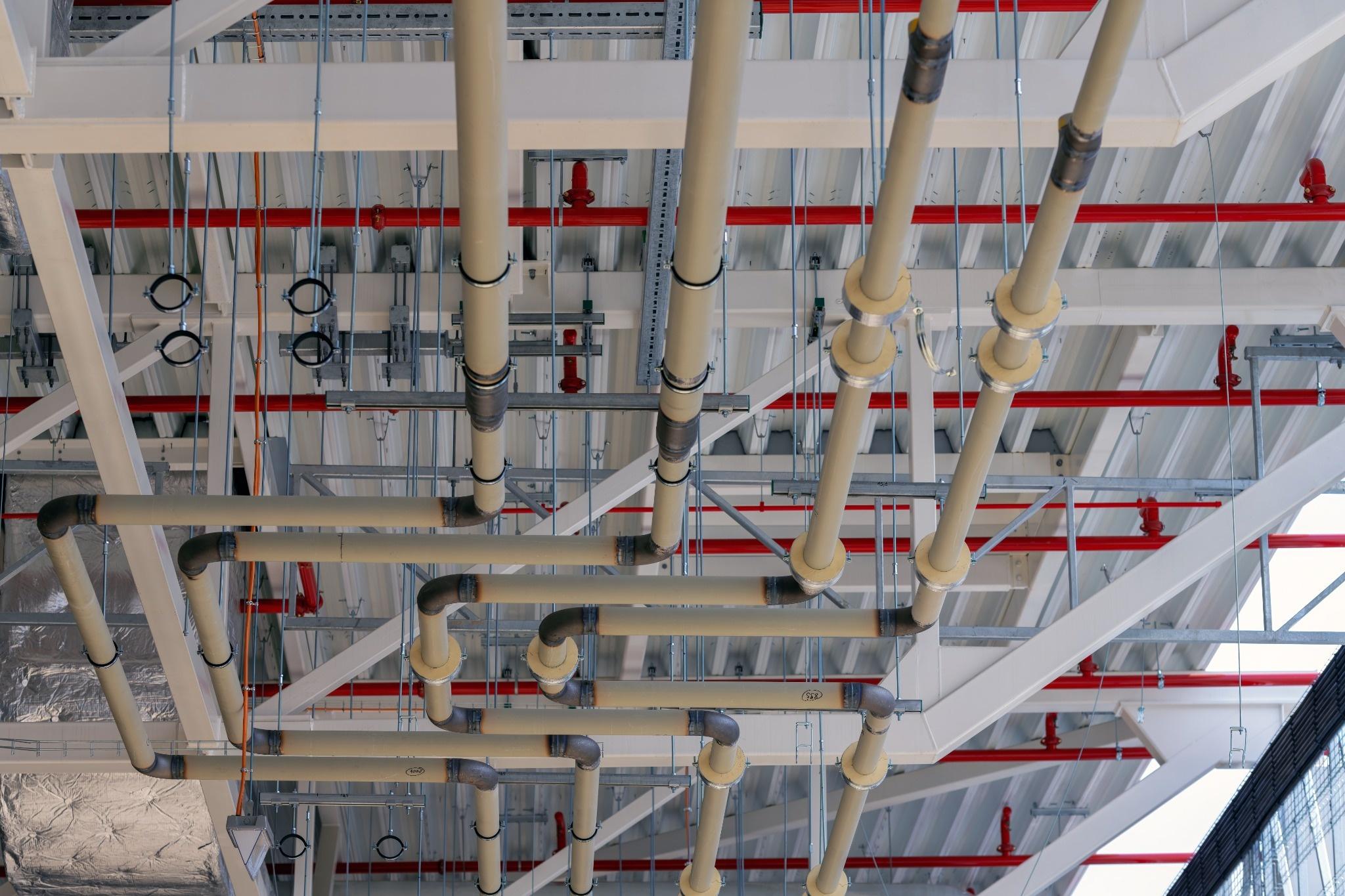
Pre-Action Fire Sprinkler Systems for Mission Critical Facilities
Pre-action fire sprinkler systems provide an added layer of protection against accidental water discharge in sensitive commercial environments. By combining fire detection technology with sprinkler system activation, pre-action systems help reduce the risk of unwanted water damage while maintaining reliable fire protection performance.
Recommended Applications
Pre-action systems are commonly used in:
- Data centers
- Telecommunications facilities
- Museums
- Archives
- Server rooms
- Control rooms
- Mission critical infrastructure
How Pre-Action Systems Work
Pre-action systems require a separate fire detection event before water enters the sprinkler piping. Depending on the system design, both a detection event and sprinkler activation may be required before water discharge occurs.
Benefits of Pre-Action Systems
- Reduced accidental discharge risk
- Enhanced protection for sensitive equipment
- Integration with fire alarm systems
- Ideal for high-value assets
- Supports mission critical operations
Inspection & Maintenance Requirements
Pre-action systems require coordinated testing between sprinkler and detection components, including:
- Detection device testing
- Valve trip testing
- Supervisory signal verification
- Control panel integration testing
- Waterflow testing
- Low air pressure testing
Common Pre-Action System Deficiencies
- Detection failures
- Improper releasing panel configuration
- Air pressure issues
- Valve trim problems
- Delayed activation sequences
- Supervisory signal faults
Relevant NFPA Standards
Pre-Action Fire Sprinkler Systems FAQs
Why are pre-action systems used in data centers?
They help reduce the risk of accidental water discharge around sensitive electronics and equipment.
What is the difference between pre-action and dry pipe systems?
Pre-action systems integrate detection technology before water enters the piping, while dry pipe systems rely solely on sprinkler activation.
Are pre-action systems required in mission critical facilities?
Requirements vary based on occupancy, hazards, insurance standards, and owner preferences.
Request A Quote
VFPG News
- Commercial Fire Protection Systems: The Complete Guide to Protecting Your Business
- The Ultimate Guide to Commercial Fire Code Compliance: NFPA Standards, Inspections, and Staying Ahead of Changing Regulations
- The Ultimate Guide to Commercial Fire Alarm Systems: Design, Code Requirements, Wireless Technology, Warranties, and Multi-Building Protection
- Commercial Fire Sprinkler Maintenance: The Complete Guide to Inspections, Repairs, Corrosion Prevention, and Long-Term Reliability
- Commercial Fire Alarm Inspections: The Complete Guide to Inspection Frequencies, Testing Requirements, and Code Compliance
- Commercial Fire Inspections: The Complete Guide to Code Compliance, Safety, and Protecting Your Business
- Why Does Your Commercial Fire Alarm Keep Going Off? Common Causes and How to Fix Them
- The 5 Types of Commercial Fire Extinguishers: Which One Does Your Business Need?
- How Fire Sprinkler Systems Minimize Fire Damage in Commercial Buildings
- High-Rise Fire Protection Systems: Essential Life Safety Solutions for Tall Buildings
VFPG Companies