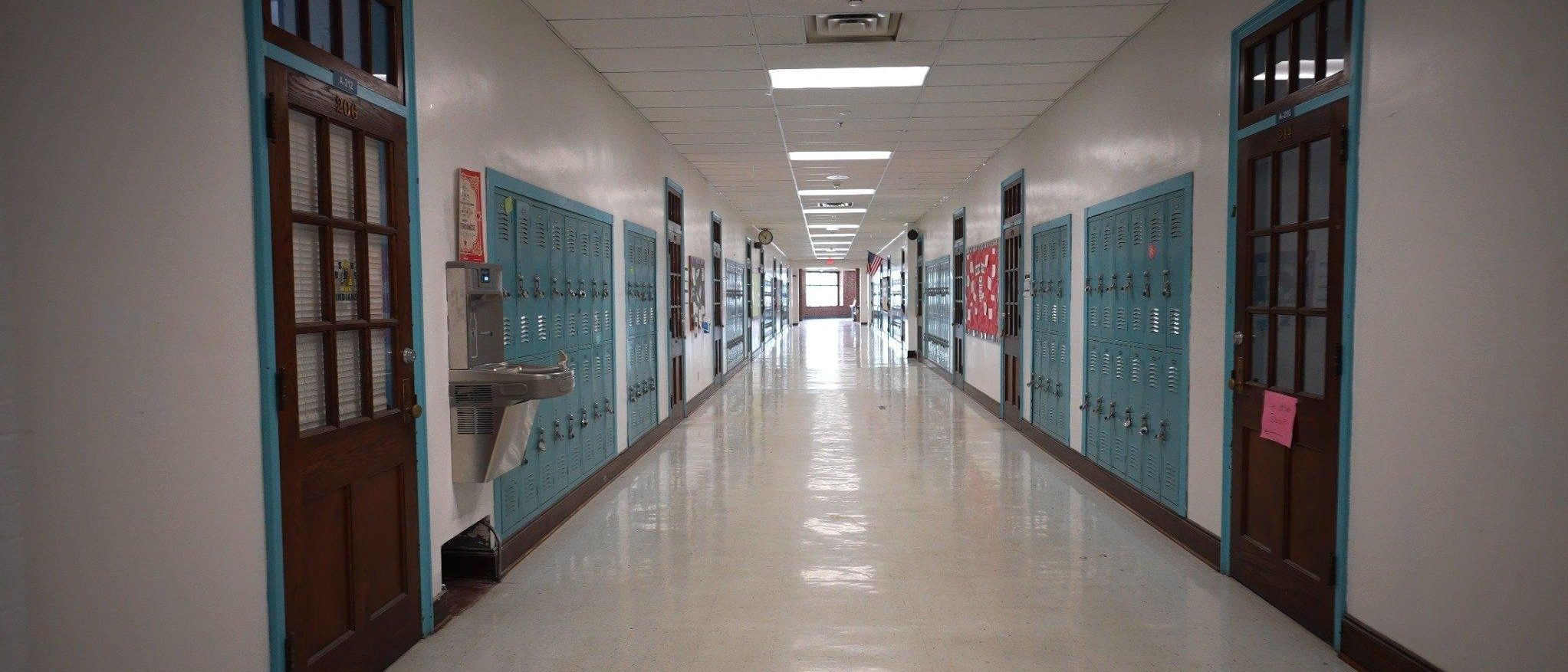
Fire Protection Services for Educational Facilities
Education Fire Protection Systems, Inspections & Compliance Services
Protecting Schools, Colleges & Educational Campuses
Educational facilities serve thousands of students, faculty, staff, and visitors every day, making life safety one of the highest priorities for school administrators and facility managers. From elementary schools and high schools to colleges, universities, technical schools, and private campuses, fire protection systems play a critical role in protecting occupants while supporting uninterrupted educational operations.
Educational buildings often contain classrooms, laboratories, auditoriums, cafeterias, libraries, gymnasiums, dormitories, administrative offices, and athletic facilities—all with unique fire protection requirements. Our team provides comprehensive fire protection solutions for educational facilities, including engineering, installation, inspections, testing, maintenance, monitoring, repairs, and code compliance support designed specifically for K-12 schools and higher education campuses.
Common Fire Hazards in Educational Facilities
Educational occupancies contain a wide variety of fire risks due to diverse building uses and large occupant loads.
Common fire hazards include:
- Electrical equipment
- Science laboratories
- Commercial kitchens
- Mechanical rooms
- Libraries and archives
- Computer labs
- Student housing
- Performing arts centers
- Maintenance shops
- Woodworking and vocational classrooms
- Athletic facilities
- Storage rooms
- Battery charging stations
- HVAC equipment
- Decorative materials and seasonal displays
Because schools are often densely occupied during daytime hours, early detection and reliable occupant notification systems are essential.
Fire Protection Systems Commonly Used in Educational Facilities
Educational campuses rely on multiple integrated life safety systems to protect students, faculty, and visitors.
Wet Pipe Fire Sprinkler Systems
Wet pipe sprinkler systems provide automatic fire suppression throughout classrooms, administrative offices, libraries, and other conditioned spaces.
These systems remain the most common sprinkler solution for educational facilities.
Dry Pipe Fire Sprinkler Systems
Dry pipe systems are commonly installed in:
- Parking garages
- Exterior loading areas
- Athletic storage buildings
- Mechanical penthouses
- Unheated maintenance facilities
These systems provide freeze protection while maintaining automatic suppression capabilities.
Pre-Action Fire Sprinkler Systems
Sensitive educational spaces containing valuable equipment or archival materials may utilize pre-action sprinkler systems to reduce the risk of accidental water discharge.
Common applications include:
- Data centers
- Technology classrooms
- Libraries
- Archives
- Museum collections
- Media production rooms
Fire Alarm Systems
Fire alarm systems provide early detection and occupant notification throughout educational buildings.
Common system components include:
- Smoke detectors
- Heat detectors
- Pull stations
- Horn and strobe devices
- Voice evacuation systems
- Emergency communications
- Mass notification integration
Reliable alarm systems help facilitate rapid evacuation while supporting emergency responder coordination.
Fire Alarm Monitoring
Professional monitoring provides continuous supervision of alarm signals and communication pathways, helping ensure emergency notifications occur regardless of building occupancy.
Kitchen Hood Fire Suppression Systems
School cafeterias and campus dining facilities often require wet chemical fire suppression systems designed to protect commercial cooking equipment.
Fire Pumps
Large campuses, multi-story buildings, and higher education facilities may require dedicated fire pumps to maintain adequate sprinkler system pressure.
Emergency & Exit Lighting
Emergency lighting systems help guide students, faculty, and visitors to exits during emergencies or power failures.
Fire Extinguishers
Portable fire extinguishers provide first-response fire protection and require routine inspection and maintenance throughout educational facilities.
Fire Protection Inspection Requirements for Schools & Universities
Routine inspections help educational facilities maintain code compliance while protecting occupants and property.
Typical inspection programs include:
- Fire sprinkler inspections
- Fire alarm inspections
- Fire extinguisher inspections
- Backflow preventer testing
- Kitchen hood inspections
- Monitoring communication testing
- Standpipe inspections
- Fire door inspections
- Fire pump testing
- Emergency lighting inspections
Preventive maintenance programs help identify deficiencies before they affect life safety or regulatory compliance.
Applicable NFPA Standards for Educational Facilities
Educational occupancies commonly reference multiple NFPA standards based on building type and installed fire protection systems.
Frequently referenced standards include:
- NFPA 13 — Installation of Sprinkler Systems
- NFPA 25 — Inspection, Testing & Maintenance of Water-Based Fire Protection Systems
- NFPA 72 — National Fire Alarm and Signaling Code
- NFPA 10 — Portable Fire Extinguishers
- NFPA 20 — Installation of Fire Pumps
- NFPA 101 — Life Safety Code
- NFPA 96 — Commercial Kitchen Fire Protection
- NFPA 730 — Guide for Premises Security (where applicable)
State and local education agencies may impose additional life safety requirements for school facilities.
Authorities Having Jurisdiction (AHJs)
Educational facilities often coordinate with multiple regulatory agencies and oversight organizations including:
- Local Fire Marshal
- Building Department
- State Fire Marshal
- School District Facilities Departments
- State Departments of Education
- Insurance Carrier Representatives
- Municipal Water Authorities
- Local Code Officials
- Higher Education Regulatory Agencies
Routine inspections and accurate documentation help demonstrate compliance with applicable fire and life safety requirements.
Fire Protection Best Practices for Educational Facilities
Maintaining a proactive fire protection program helps improve life safety while reducing disruptions to academic operations.
Best practices include:
- Perform routine inspections and testing
- Maintain organized compliance records
- Verify fire alarm monitoring communications
- Inspect sprinkler systems after renovations
- Test emergency lighting regularly
- Maintain unobstructed exits and fire lanes
- Review laboratory and vocational classroom hazards
- Keep sprinkler head clearances compliant
- Address deficiencies promptly
- Coordinate fire protection evaluations during campus expansion projects
A preventive maintenance strategy helps ensure systems remain reliable throughout the school year.
Risks of Ignoring Fire Protection Requirements
Failure to maintain required fire protection systems can expose educational institutions to significant operational and legal risks.
Potential consequences include:
- Failed life safety inspections
- Regulatory citations
- Delayed school openings
- Insurance complications
- Increased liability exposure
- Property damage
- Academic disruption
- Equipment loss
- Increased repair costs
- Safety risks to students and staff
Routine inspections and preventive maintenance help reduce these risks while supporting a safe learning environment.
Why Integrated Fire Protection Matters in Education
Educational campuses depend on multiple fire protection systems working together.
- Fire alarms detect emergencies
- Monitoring services transmit alarm signals
- Fire sprinklers suppress developing fires
- Kitchen suppression systems protect food service operations
- Emergency lighting supports evacuation
- Fire pumps maintain water supply
When these systems are properly integrated and maintained, educational facilities benefit from improved occupant safety, simplified compliance, and enhanced protection for buildings and campus operations.
Frequently Asked Questions
Are schools required to have fire sprinkler systems?
Many new schools and educational facilities are required to have automatic fire sprinkler systems based on building codes, occupancy classifications, and state regulations.
How often should school fire alarm systems be inspected?
Fire alarm systems typically require annual inspections and testing, along with periodic maintenance and operational testing in accordance with applicable NFPA standards.
What fire protection systems are commonly found in schools?
Schools often utilize fire sprinkler systems, fire alarms, emergency lighting, portable fire extinguishers, kitchen hood suppression systems, fire pumps, and monitoring services.
What NFPA standards commonly apply to educational facilities?
Educational occupancies frequently reference NFPA 13, NFPA 25, NFPA 72, NFPA 10, NFPA 20, NFPA 96, and NFPA 101, depending on facility type and installed systems.
Why is fire alarm monitoring important for schools?
Monitoring helps ensure alarm signals are transmitted immediately to monitoring centers and emergency responders, even when buildings are unoccupied.
Can school renovations affect fire protection requirements?
Yes. Classroom additions, occupancy changes, laboratory renovations, and campus expansions often require updates to sprinkler systems, fire alarms, and other life safety equipment.
Why are inspection records important for educational facilities?
Inspection documentation supports code compliance, insurance requirements, state inspections, and long-term facility maintenance planning.
Can one provider manage fire protection across an entire school district or campus?
Yes. Consolidating inspections, testing, maintenance, monitoring, repairs, and compliance services under one provider can simplify facility management while improving consistency across multiple buildings.
Comprehensive Fire Protection for Educational Facilities
Educational institutions require dependable fire protection systems that safeguard students, faculty, staff, and campus assets while supporting uninterrupted learning. Through engineering, inspections, testing, maintenance, monitoring, repairs, and code compliance services, we help schools and universities maintain safe, compliant, and reliable fire protection systems designed to protect today’s educational environments and tomorrow’s leaders.
Request A Quote
VFPG News
- Commercial Fire Protection Systems: The Complete Guide to Protecting Your Business
- The Ultimate Guide to Commercial Fire Code Compliance: NFPA Standards, Inspections, and Staying Ahead of Changing Regulations
- The Ultimate Guide to Commercial Fire Alarm Systems: Design, Code Requirements, Wireless Technology, Warranties, and Multi-Building Protection
- Commercial Fire Sprinkler Maintenance: The Complete Guide to Inspections, Repairs, Corrosion Prevention, and Long-Term Reliability
- Commercial Fire Alarm Inspections: The Complete Guide to Inspection Frequencies, Testing Requirements, and Code Compliance
- Commercial Fire Inspections: The Complete Guide to Code Compliance, Safety, and Protecting Your Business
- Why Does Your Commercial Fire Alarm Keep Going Off? Common Causes and How to Fix Them
- The 5 Types of Commercial Fire Extinguishers: Which One Does Your Business Need?
- How Fire Sprinkler Systems Minimize Fire Damage in Commercial Buildings
- High-Rise Fire Protection Systems: Essential Life Safety Solutions for Tall Buildings
VFPG Companies