Wet Pipe Fire Sprinkler Systems for Commercial Buildings
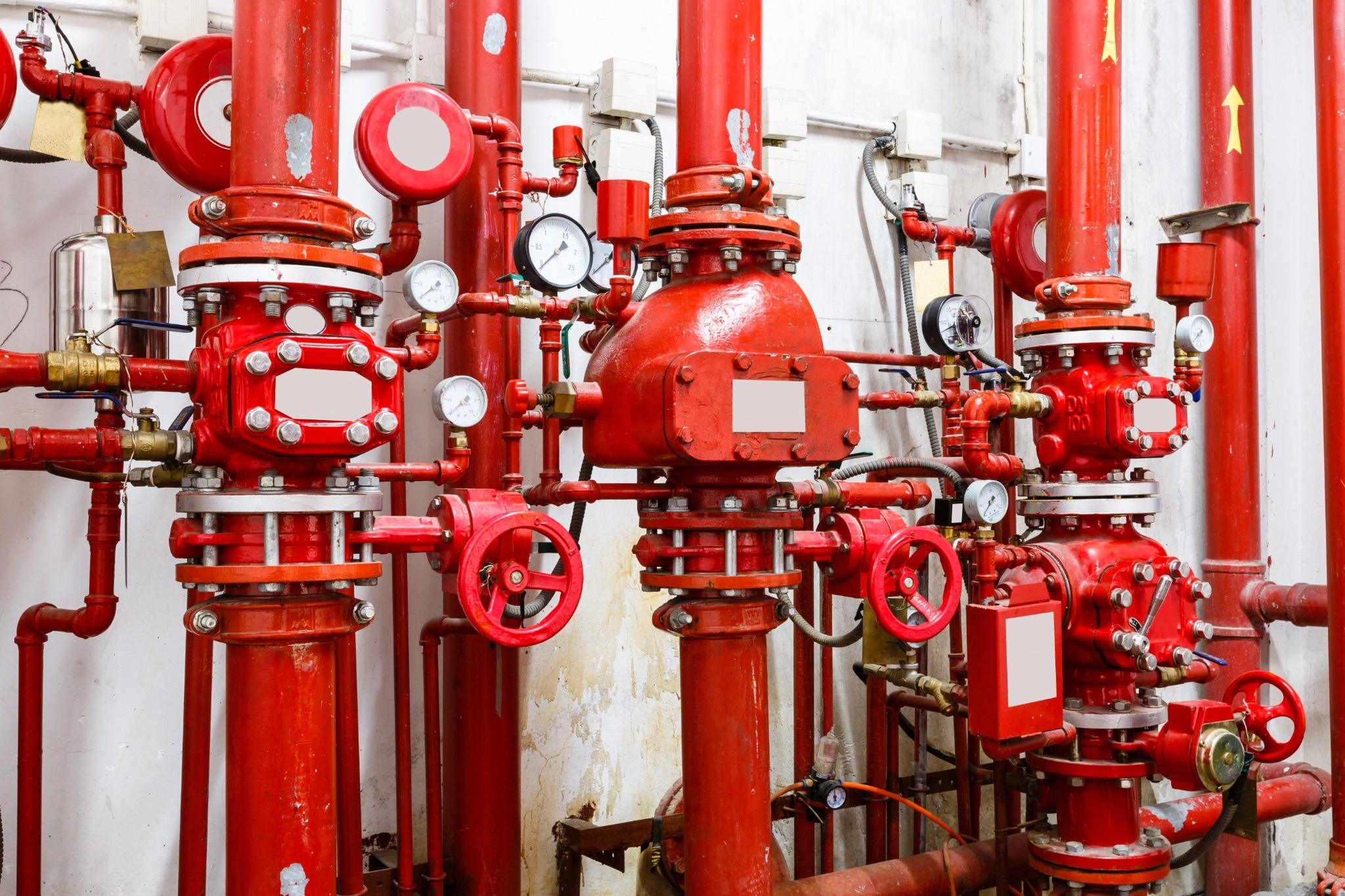
Wet pipe fire sprinkler systems are the most widely used type of automatic fire sprinkler system in commercial facilities. Designed with water constantly stored within the piping network, these systems provide fast fire response, dependable performance, and simplified maintenance for a wide range of occupancies. Our team designs, installs, inspects, tests, and services wet pipe sprinkler systems in accordance with NFPA 13 and NFPA 25 requirements.
Recommended Applications
Wet pipe systems are commonly used in:
- Office buildings
- Retail facilities
- Schools and universities
- Healthcare facilities
- Apartment complexes
- Commercial properties
- Light manufacturing facilities
How Wet Pipe Systems Work
A wet pipe sprinkler system contains pressurized water inside the sprinkler piping at all times. When heat activates a sprinkler head, water is discharged immediately onto the fire area. Because there is no delay associated with air release or detection activation, wet pipe systems provide some of the fastest fire suppression response times available.
Benefits of Wet Pipe Systems
- Fast fire suppression response
- Reliable system design
- Lower maintenance complexity
- Reduced installation costs
- Proven long-term performance
- Simplified inspections and testing
Inspection & Maintenance Requirements
Routine inspection and testing are critical to maintaining system reliability and NFPA compliance. Wet pipe systems typically require:
- Annual sprinkler inspections
- Control valve inspections
- Waterflow testing
- Alarm device testing
- Main drain testing
- Obstruction investigations
- 5-year internal pipe assessments
Common Wet Pipe System Deficiencies
Common issues identified during inspections may include:
- Corrosion inside piping
- Painted or obstructed sprinkler heads
- Closed control valves
- Leaking fittings
- Improper sprinkler clearance
- Damaged gauges or alarms
Relevant NFPA Standards
Wet Pipe System FAQs
What is the advantage of a wet pipe sprinkler system?
Wet pipe systems provide immediate water discharge when a sprinkler activates, making them highly effective for many commercial occupancies.
Where are wet pipe systems typically installed?
They are commonly installed in heated commercial buildings where freezing temperatures are not a concern.
How often should wet pipe systems be inspected?
Inspection, testing, and maintenance schedules are governed by NFPA 25 requirements.
Request A Quote
VFPG News
- Commercial Fire Protection Systems: The Complete Guide to Protecting Your Business
- The Ultimate Guide to Commercial Fire Code Compliance: NFPA Standards, Inspections, and Staying Ahead of Changing Regulations
- The Ultimate Guide to Commercial Fire Alarm Systems: Design, Code Requirements, Wireless Technology, Warranties, and Multi-Building Protection
- Commercial Fire Sprinkler Maintenance: The Complete Guide to Inspections, Repairs, Corrosion Prevention, and Long-Term Reliability
- Commercial Fire Alarm Inspections: The Complete Guide to Inspection Frequencies, Testing Requirements, and Code Compliance
- Commercial Fire Inspections: The Complete Guide to Code Compliance, Safety, and Protecting Your Business
- Why Does Your Commercial Fire Alarm Keep Going Off? Common Causes and How to Fix Them
- The 5 Types of Commercial Fire Extinguishers: Which One Does Your Business Need?
- How Fire Sprinkler Systems Minimize Fire Damage in Commercial Buildings
- High-Rise Fire Protection Systems: Essential Life Safety Solutions for Tall Buildings
VFPG Companies