FM-200 Fire Suppression Systems for Mission Critical Facilities
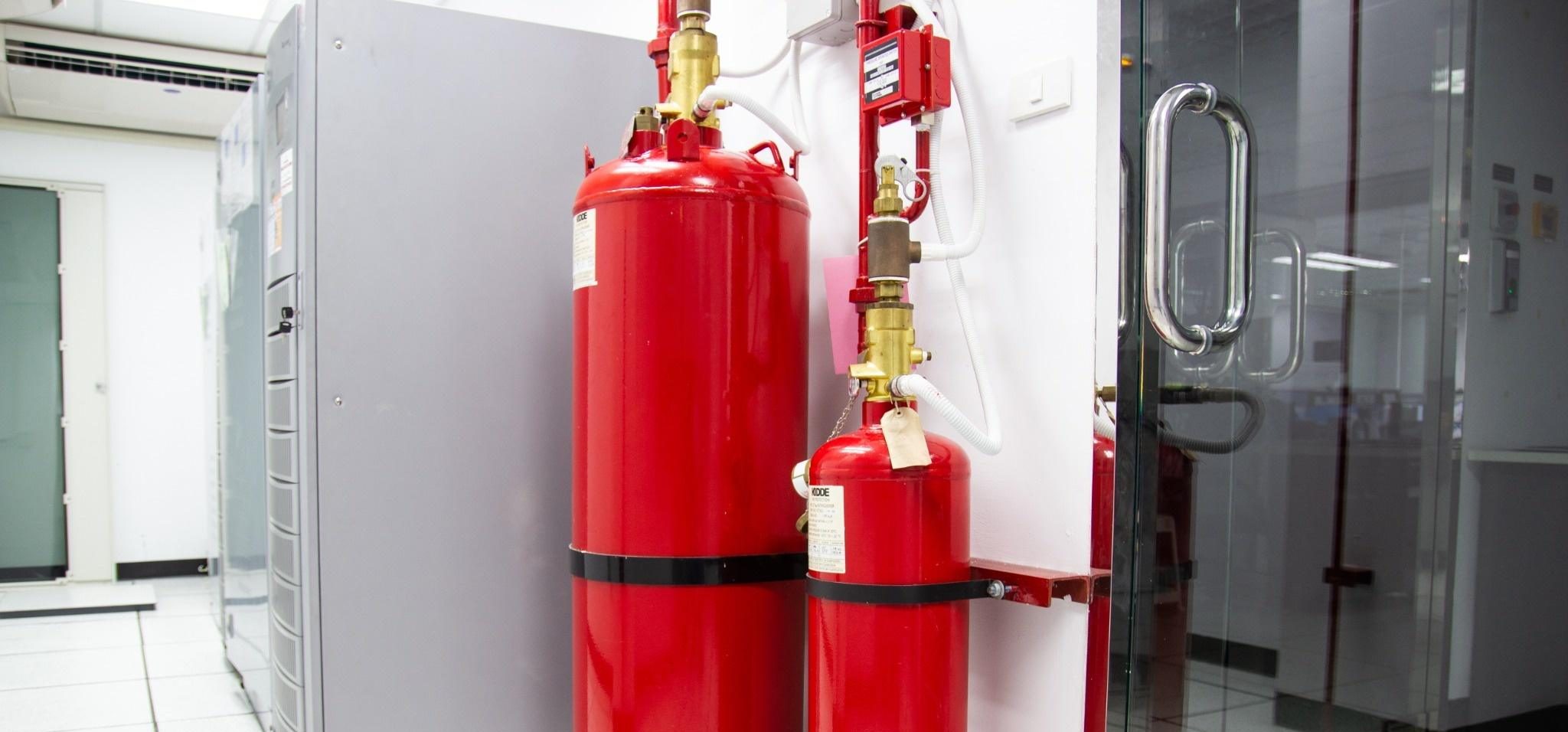
FM-200 fire suppression systems provide clean agent fire protection for facilities where water-based suppression may damage critical equipment or disrupt operations. These systems are commonly used to protect electronics, data infrastructure, and sensitive commercial environments requiring rapid fire suppression with minimal residue.
Recommended Applications
FM-200 systems are commonly used in:
- Data centers
- Server rooms
- Telecommunications facilities
- Control rooms
- Electrical rooms
- Mission critical operations centers
How FM-200 Systems Work
FM-200 systems discharge a clean gaseous suppression agent that absorbs heat and interrupts combustion without leaving residue behind. The system is designed to rapidly suppress fires while helping minimize equipment damage and downtime.
Benefits of FM-200 Systems
- Rapid fire suppression
- No water damage
- Clean agent discharge
- No residue cleanup
- Supports business continuity
- Safe for occupied spaces when properly designed
Inspection & Maintenance Requirements
Routine maintenance typically includes:
- Cylinder inspections
- Agent level verification
- Detection testing
- Control panel testing
- Discharge circuit inspections
- Room integrity testing
Common FM-200 System Deficiencies
- Low agent pressure
- Detection faults
- Damaged discharge nozzles
- Room leakage issues
- Releasing panel failures
- Expired cylinders
Relevant NFPA Standards
FM-200 Suppression Systems FAQs
What is FM-200 used for?
FM-200 is commonly used to protect sensitive electronics and mission critical facilities.
Does FM-200 leave residue?
No. FM-200 is a clean agent that leaves no residue after discharge.
Is FM-200 safe for occupied spaces?
When properly designed and maintained, FM-200 systems are commonly used in occupied commercial environments.
Request A Quote
VFPG News
- Commercial Fire Protection Systems: The Complete Guide to Protecting Your Business
- The Ultimate Guide to Commercial Fire Code Compliance: NFPA Standards, Inspections, and Staying Ahead of Changing Regulations
- The Ultimate Guide to Commercial Fire Alarm Systems: Design, Code Requirements, Wireless Technology, Warranties, and Multi-Building Protection
- Commercial Fire Sprinkler Maintenance: The Complete Guide to Inspections, Repairs, Corrosion Prevention, and Long-Term Reliability
- Commercial Fire Alarm Inspections: The Complete Guide to Inspection Frequencies, Testing Requirements, and Code Compliance
- Commercial Fire Inspections: The Complete Guide to Code Compliance, Safety, and Protecting Your Business
- Why Does Your Commercial Fire Alarm Keep Going Off? Common Causes and How to Fix Them
- The 5 Types of Commercial Fire Extinguishers: Which One Does Your Business Need?
- How Fire Sprinkler Systems Minimize Fire Damage in Commercial Buildings
- High-Rise Fire Protection Systems: Essential Life Safety Solutions for Tall Buildings
VFPG Companies