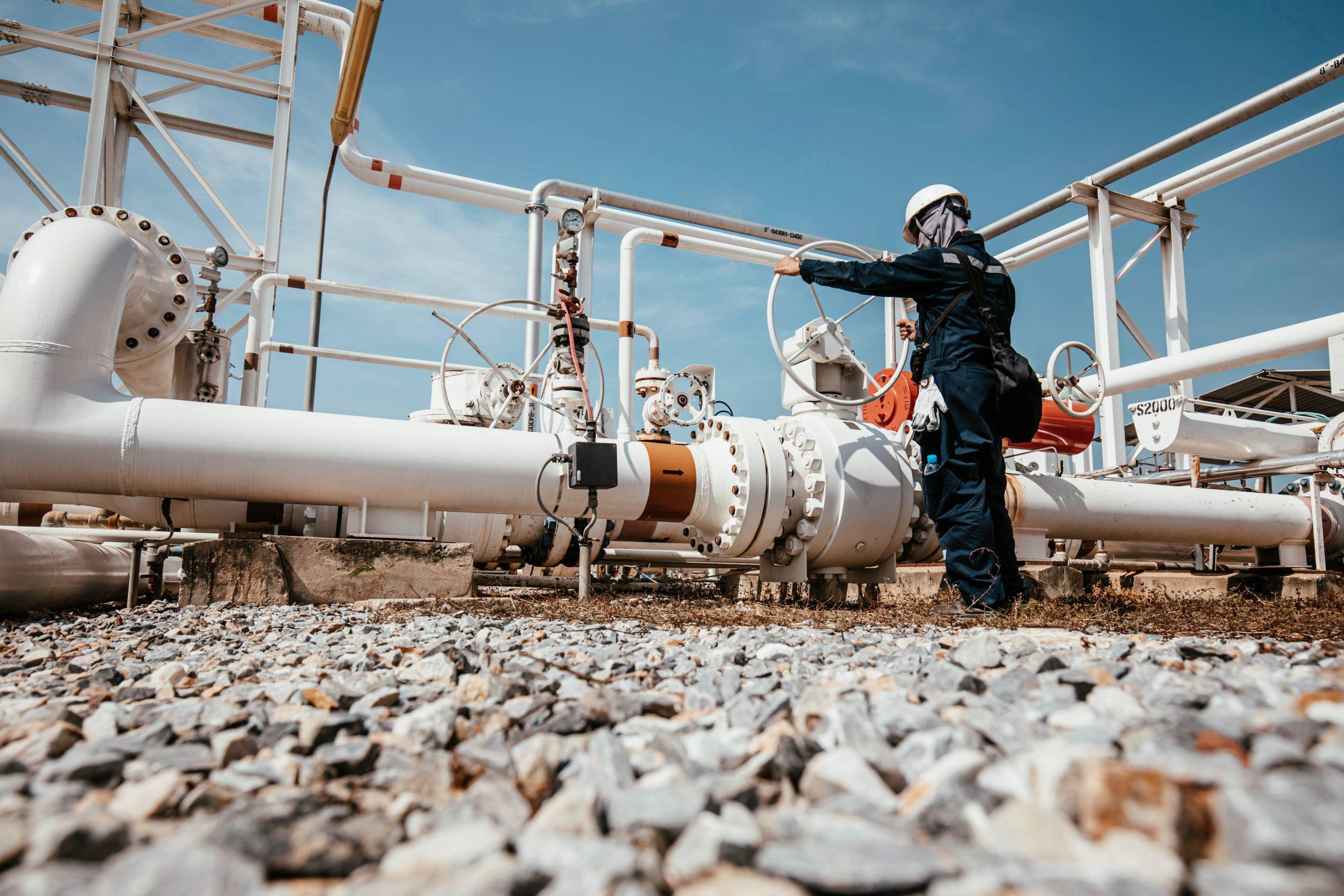
Fire Protection Services for Oil & Gas Facilities
Oil & Gas Fire Protection Systems, Inspections & Compliance Services
Specialized Fire Protection for Oil & Gas Operations
The oil and gas industry presents some of the highest fire risks of any commercial or industrial sector. From upstream production sites and midstream terminals to refineries, bulk fuel storage facilities, pipelines, and distribution operations, these environments contain flammable liquids, combustible gases, pressurized systems, and hazardous processing equipment that require specialized fire protection solutions.
Protecting personnel, infrastructure, and critical operations requires more than standard fire protection systems. It demands engineered suppression systems, advanced detection technologies, routine inspections, and strict regulatory compliance. Our team provides comprehensive fire protection services for oil and gas facilities, including engineering, installation, inspections, testing, maintenance, repairs, monitoring, and specialized suppression systems designed for high-hazard environments.
Common Fire Hazards in Oil & Gas Facilities
Oil and gas operations involve numerous ignition sources combined with highly combustible materials that can rapidly escalate into catastrophic incidents.
Common fire hazards include:
- Crude oil and refined fuel storage
- Natural gas processing equipment
- LNG and LPG facilities
- Fuel transfer stations
- Pump stations
- Compressors
- Pipeline infrastructure
- Tank farms
- Chemical processing
- Loading terminals
- Hot work operations
- Electrical switchgear
- Hydraulic systems
- Static electricity
- Vapor cloud formation
Proper fire protection planning helps reduce the likelihood of significant property damage, environmental impacts, and operational downtime.
Fire Protection Systems Commonly Used in Oil & Gas Facilities
Oil and gas facilities typically require multiple specialized fire protection systems designed around unique process hazards.
Foam Fire Suppression Systems
Foam suppression systems are widely used to protect flammable liquid hazards by creating a blanket that suppresses vapors and extinguishes fuel fires.
Common applications include:
- Tank farms
- Fuel storage facilities
- Loading racks
- Aircraft fueling operations
- Refineries
- Chemical processing plants
Deluge Fire Sprinkler Systems
Deluge systems provide immediate, high-volume water discharge over protected hazards and are commonly used in high-risk industrial applications.
Typical applications include:
- Process equipment
- Transformers
- Compressors
- Loading terminals
- Chemical processing units
- Offshore platforms
Water Mist Fire Suppression Systems
Water mist systems provide efficient cooling and suppression while using significantly less water than conventional sprinkler systems.
Applications include:
- Turbine enclosures
- Generator rooms
- Machinery spaces
- Marine oil and gas facilities
- Offshore production platforms
Clean Agent Fire Suppression Systems
Sensitive control equipment and electrical infrastructure may be protected using clean agent suppression systems that extinguish fires without damaging electronics.
Common applications include:
- Control rooms
- SCADA systems
- Server rooms
- Electrical rooms
- Telecommunications equipment
Fire Alarm Systems
Oil and gas fire alarm systems provide rapid detection and emergency notification throughout hazardous facilities.
Systems may include:
- Smoke detection
- Heat detection
- Flame detection
- Gas detection integration
- Emergency voice communications
- Horn and strobe notification
- Manual pull stations
- Emergency shutdown integration
Fire Alarm Monitoring
Professional monitoring provides continuous supervision of alarm conditions and communication pathways to help ensure immediate response during both attended and unattended operations.
Fire Pumps
Large industrial facilities often require dedicated fire pumps to maintain sufficient water flow and pressure for suppression systems protecting extensive process areas.
Portable Fire Extinguishers
Portable extinguishers remain an important first-response tool throughout processing facilities, fueling stations, equipment rooms, and maintenance areas.
Oil & Gas Fire Protection Inspection Requirements
Routine inspections and preventive maintenance help ensure life safety systems remain operational and code compliant while minimizing production interruptions.
Typical inspection programs include:
- Fire sprinkler inspections
- Deluge system inspections
- Foam system testing
- Fire alarm inspections
- Special hazard suppression inspections
- Fire extinguisher inspections
- Backflow preventer testing
- Monitoring communication testing
- Water supply testing
- Emergency lighting inspections
- Fire pump testing
Regular testing helps verify that systems will perform properly during emergency conditions.
Applicable NFPA Standards for Oil & Gas Facilities
Oil and gas facilities may be subject to multiple NFPA standards depending on operations and hazard classifications.
Frequently referenced standards include:
- NFPA 11 — Standard for Low-, Medium-, and High-Expansion Foam
- NFPA 13 — Installation of Sprinkler Systems
- NFPA 15 — Water Spray Fixed Systems for Fire Protection
- NFPA 20 — Installation of Fire Pumps
- NFPA 25 — Inspection, Testing & Maintenance of Water-Based Fire Protection Systems
- NFPA 30 — Flammable and Combustible Liquids Code
- NFPA 30A — Motor Fuel Dispensing Facilities and Repair Garages
- NFPA 72 — National Fire Alarm and Signaling Code
- NFPA 10 — Portable Fire Extinguishers
- NFPA 101 — Life Safety Code
Additional federal, state, and local regulations may apply based on facility operations and hazardous materials.
Authorities Having Jurisdiction (AHJs)
Oil and gas operations frequently work with multiple regulatory agencies and oversight organizations including:
- Local Fire Marshal
- State Fire Marshal
- OSHA
- Environmental Protection Agency (EPA)
- Pipeline and Hazardous Materials Safety Administration (PHMSA)
- State Environmental Agencies
- Building Department
- Insurance Carrier Representatives
- Municipal Water Authorities
- Local Code Officials
Facilities handling hazardous materials may also be subject to additional industry-specific regulations and inspection programs.
Fire Protection Best Practices for Oil & Gas Facilities
Maintaining reliable fire protection systems is essential for reducing operational risk and protecting critical infrastructure.
Best practices include:
- Conduct routine inspections and testing
- Maintain foam concentrate quality
- Verify fire pump performance
- Test alarm and monitoring communications
- Inspect suppression systems after process modifications
- Review hazardous area classifications regularly
- Maintain emergency shutdown systems
- Keep inspection documentation current
- Correct deficiencies immediately
- Evaluate fire protection systems during facility expansions
Preventive maintenance programs help reduce risk while improving long-term operational reliability.
Risks of Ignoring Fire Protection Requirements
Failure to maintain fire protection systems can expose oil and gas operations to severe operational, environmental, and financial consequences.
Potential risks include:
- Large-scale fires
- Explosions
- Environmental contamination
- Regulatory penalties
- OSHA violations
- Insurance complications
- Equipment damage
- Production downtime
- Business interruption
- Increased liability exposure
- Injury or loss of life
Comprehensive inspection and maintenance programs help reduce these risks while supporting regulatory compliance and safe operations.
Why Integrated Fire Protection Matters for Oil & Gas Facilities
Oil and gas operations rely on multiple fire protection systems working together.
- Fire alarms detect emergencies
- Gas detection systems identify hazardous conditions
- Monitoring services transmit alarm signals
- Foam systems suppress flammable liquid fires
- Deluge systems cool exposed equipment
- Fire pumps provide water supply
- Special hazard systems protect critical process equipment
When these systems are integrated and maintained together, facilities benefit from improved life safety, reduced operational risk, and enhanced business continuity.
Frequently Asked Questions
What fire suppression system is commonly used for fuel storage facilities?
Foam fire suppression systems are widely used to protect flammable liquid storage tanks and fuel handling operations because they suppress vapors while extinguishing fires.
Why are deluge systems used in oil and gas facilities?
Deluge systems provide rapid water discharge across high-hazard equipment and process areas where fires can spread quickly.
How often should oil and gas fire protection systems be inspected?
Inspection schedules vary by system type but generally follow applicable NFPA standards for sprinkler systems, fire alarms, foam systems, fire pumps, and special hazard suppression systems.
What NFPA standards apply to oil and gas facilities?
Common standards include NFPA 11, 13, 15, 20, 25, 30, 30A, 72, 10, and 101, depending on facility operations and hazards.
Why is fire alarm monitoring important for oil and gas facilities?
Monitoring helps ensure emergency alarm signals are received and acted upon immediately, particularly during remote or unattended operations.
Can facility modifications impact fire protection requirements?
Yes. Equipment upgrades, process changes, storage modifications, and facility expansions often require fire protection system evaluations and updates.
Why is foam system testing important?
Routine testing helps verify foam concentrate quality, proportioning equipment operation, and overall system readiness for flammable liquid fire scenarios.
Can one provider manage multiple fire protection systems across an oil and gas facility?
Yes. Coordinating inspections, testing, maintenance, monitoring, repairs, and suppression system service under one provider can simplify compliance while improving overall system reliability.
Comprehensive Fire Protection for Oil & Gas Operations
Oil and gas facilities require specialized fire protection solutions capable of protecting high-value assets, hazardous processes, and critical infrastructure. Through engineering, inspections, testing, maintenance, monitoring, repairs, and specialized suppression technologies, we help operators reduce risk, maintain compliance, and protect employees, facilities, and business continuity with comprehensive fire protection programs designed for demanding industrial environments.
Request A Quote
VFPG News
- Commercial Fire Protection Systems: The Complete Guide to Protecting Your Business
- The Ultimate Guide to Commercial Fire Code Compliance: NFPA Standards, Inspections, and Staying Ahead of Changing Regulations
- The Ultimate Guide to Commercial Fire Alarm Systems: Design, Code Requirements, Wireless Technology, Warranties, and Multi-Building Protection
- Commercial Fire Sprinkler Maintenance: The Complete Guide to Inspections, Repairs, Corrosion Prevention, and Long-Term Reliability
- Commercial Fire Alarm Inspections: The Complete Guide to Inspection Frequencies, Testing Requirements, and Code Compliance
- Commercial Fire Inspections: The Complete Guide to Code Compliance, Safety, and Protecting Your Business
- Why Does Your Commercial Fire Alarm Keep Going Off? Common Causes and How to Fix Them
- The 5 Types of Commercial Fire Extinguishers: Which One Does Your Business Need?
- How Fire Sprinkler Systems Minimize Fire Damage in Commercial Buildings
- High-Rise Fire Protection Systems: Essential Life Safety Solutions for Tall Buildings
VFPG Companies