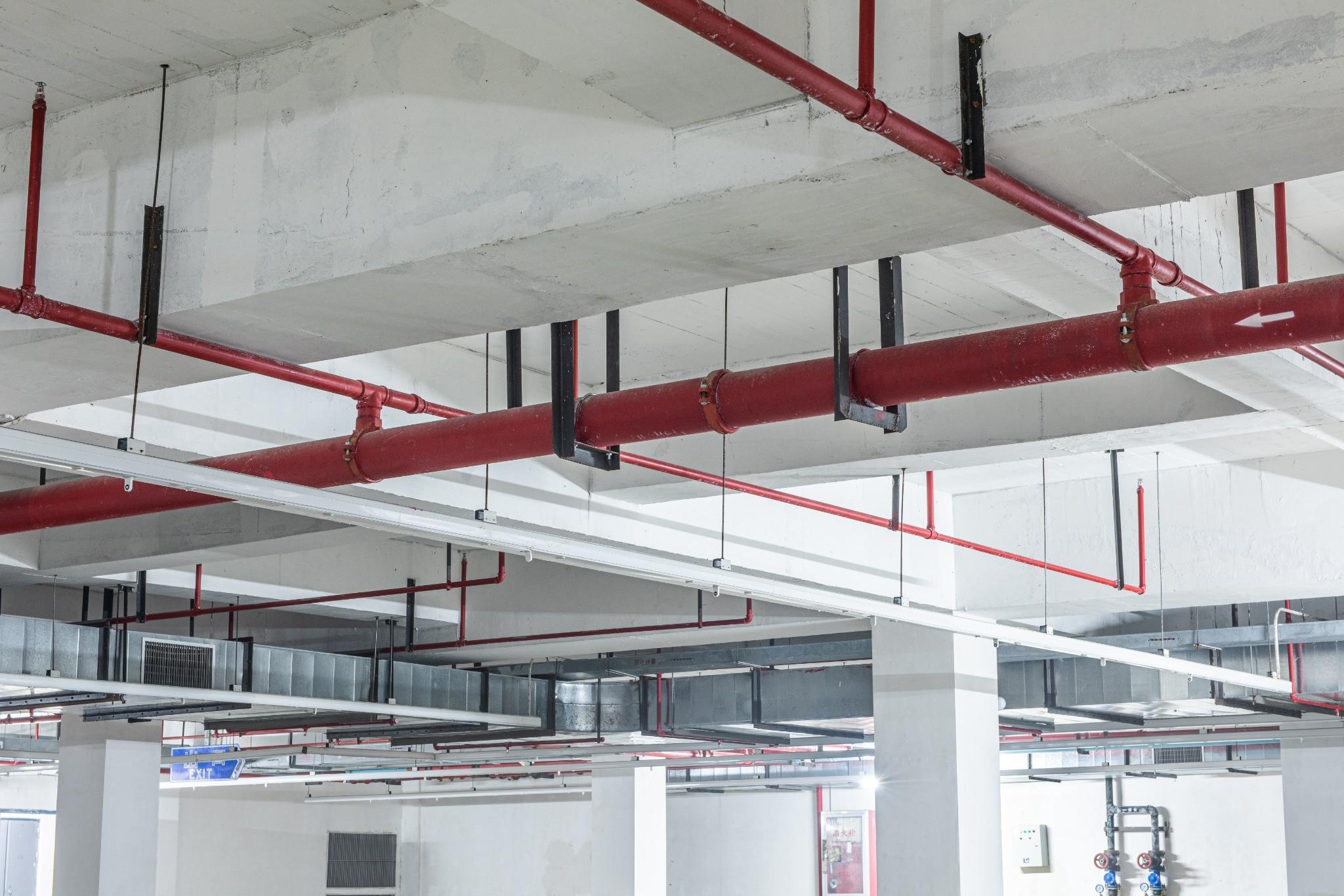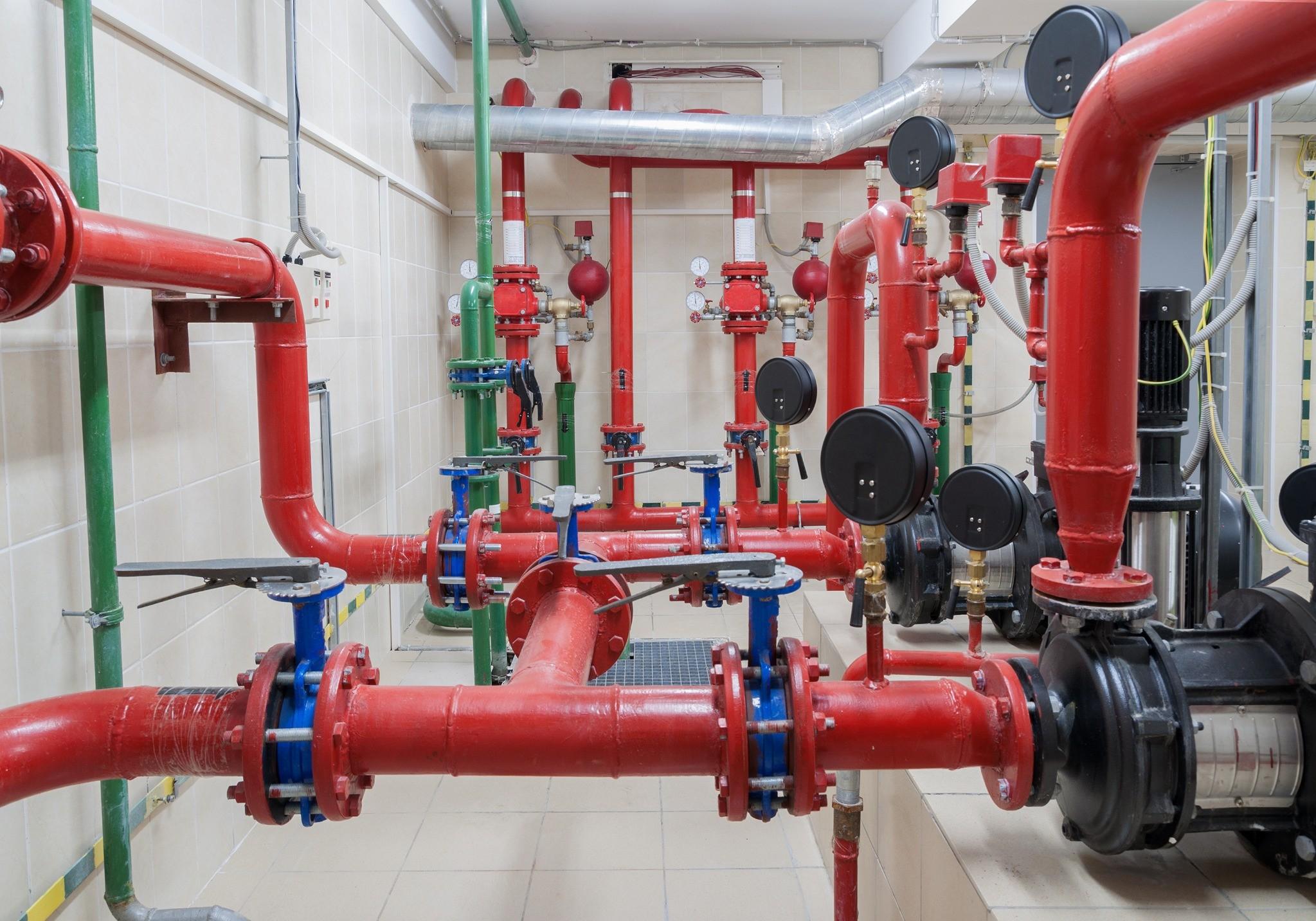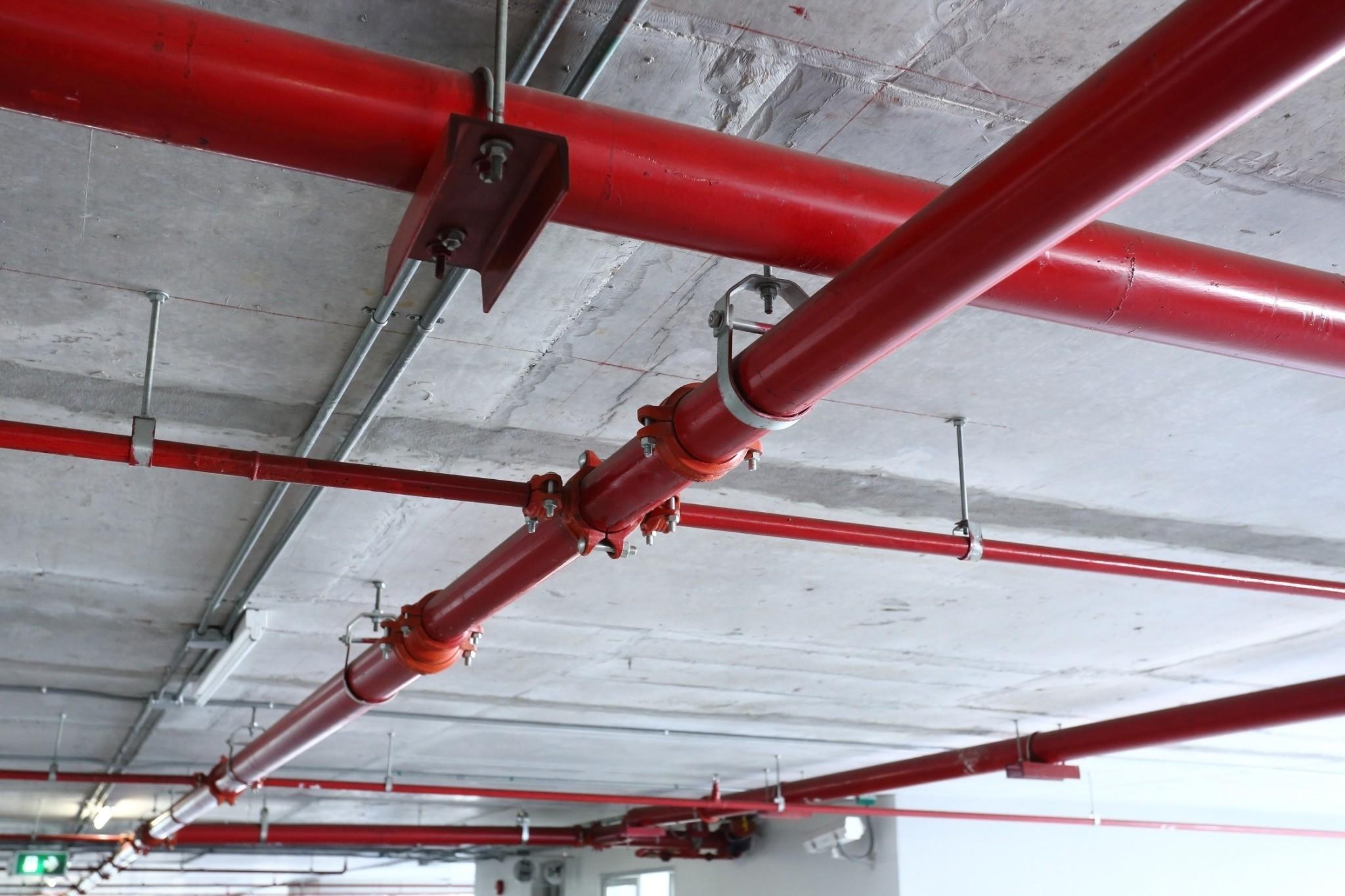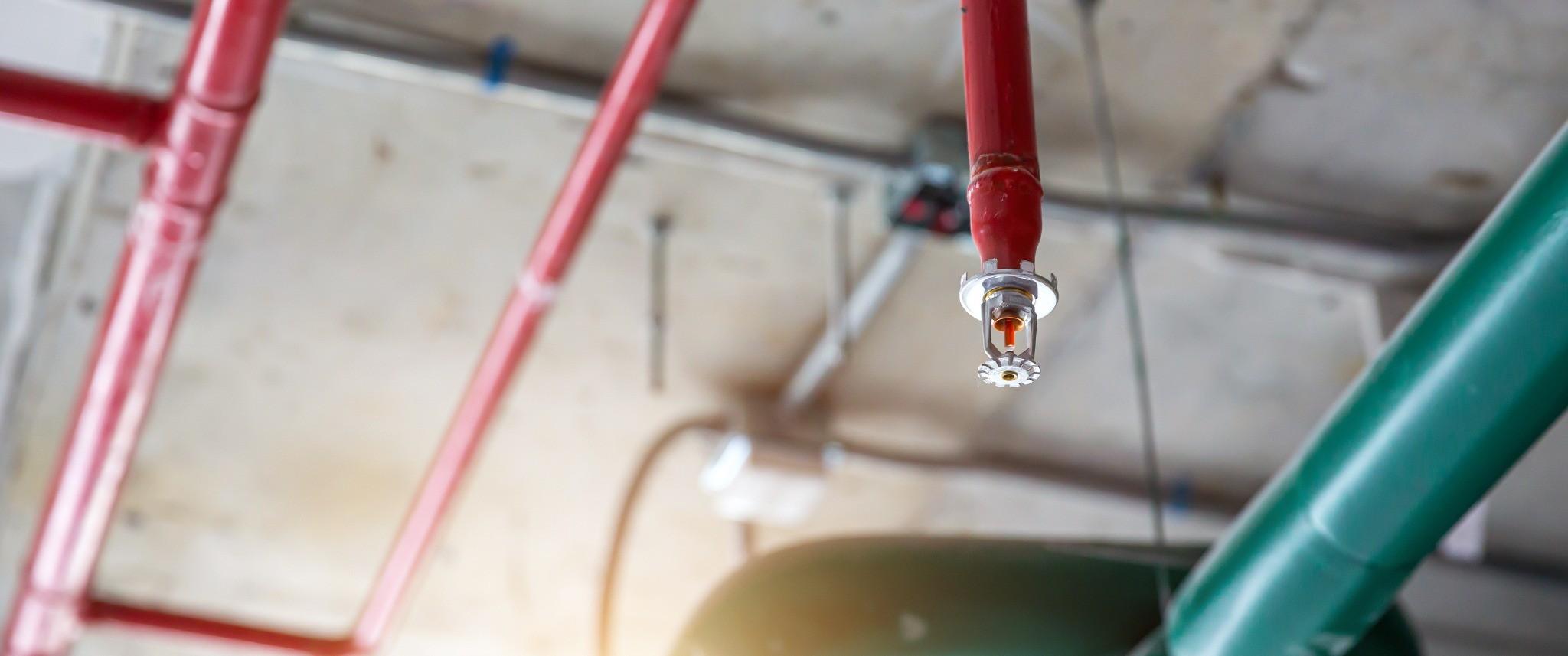
Wet Pipe vs. Dry Pipe Fire Sprinkler Systems: Which Is Right for Your Commercial Building?

Selecting the right fire sprinkler system is one of the most important decisions for protecting a commercial building. While there are several types of fire sprinkler systems available, wet pipe and dry pipe sprinkler systems are by far the two most common. Both are highly effective fire protection solutions, but they are designed for different environments and operating conditions.

Choosing the wrong system can increase installation costs, create maintenance challenges, or even reduce system reliability. Understanding the differences between wet and dry pipe sprinkler systems helps building owners, facility managers, architects, and contractors make informed decisions that improve fire protection while supporting long-term compliance.

This guide explains how wet pipe and dry pipe sprinkler systems work, their advantages and disadvantages, where each system is commonly installed, and the factors you should consider before making a decision.

Why Choosing the Right Sprinkler System Matters

Fire sprinkler systems are not one-size-fits-all solutions.

The best system for your building depends on several factors, including:

• Climate
• Building occupancy
• Fire hazards
• Water supply
• Operating environment
• Maintenance requirements
• Future building expansion
• Applicable fire codes

Selecting the appropriate sprinkler system helps maximize fire protection while minimizing long-term operating costs.

What Is a Wet Pipe Fire Sprinkler System?

A wet pipe fire sprinkler system is the most common type of commercial sprinkler system installed today.

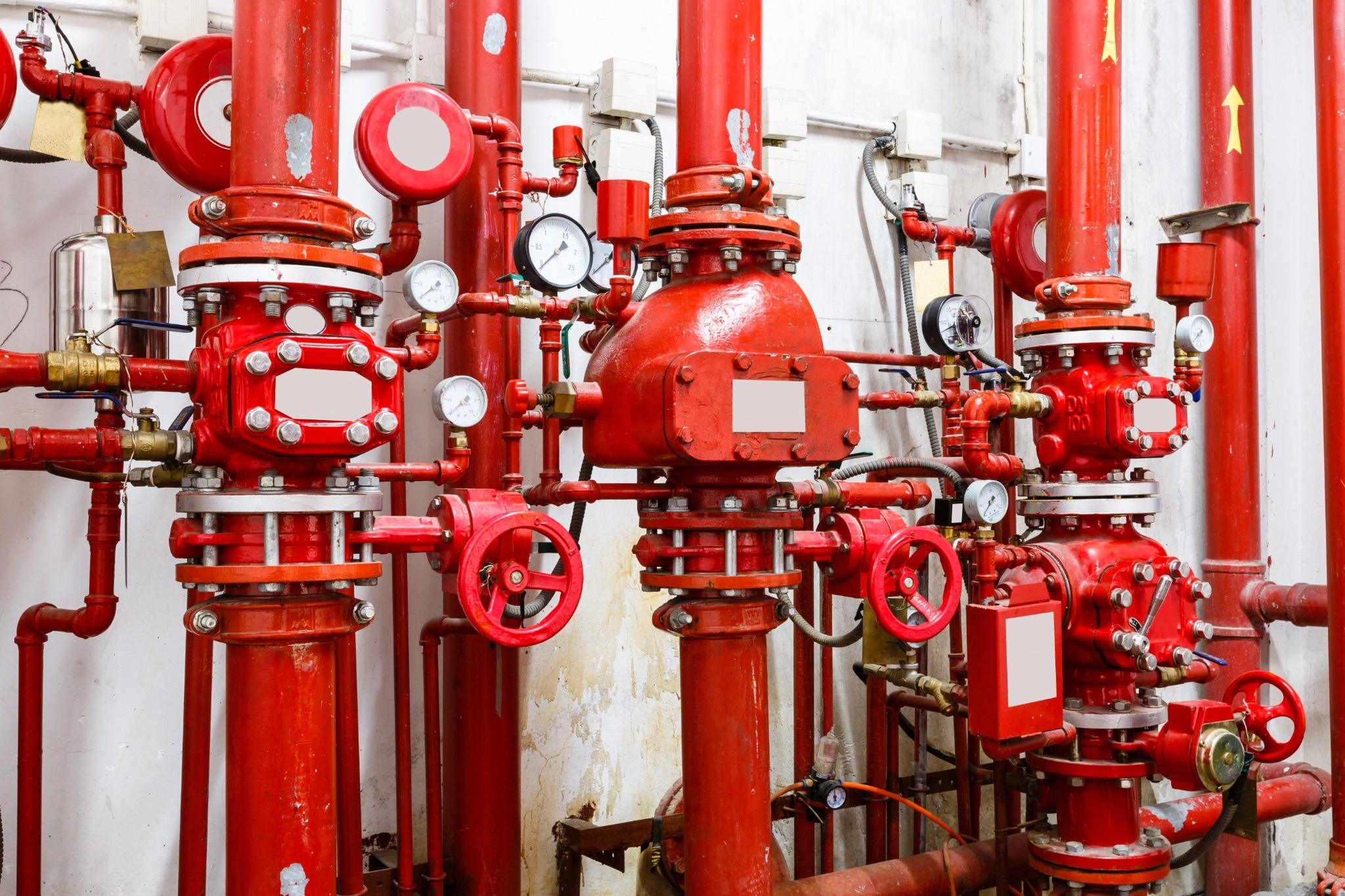
In a wet pipe system, the sprinkler piping is constantly filled with pressurized water. When heat from a fire activates a sprinkler head, water immediately discharges onto the fire.

Because water is already present inside the piping, wet pipe systems provide the fastest fire suppression response of any traditional sprinkler system.

Advantages of Wet Pipe Systems

Wet pipe systems offer numerous benefits.

Advantages include:

• Immediate water discharge
• Simple system design
• High reliability
• Lower installation costs
• Lower maintenance requirements
• Fewer mechanical components
• Proven long-term performance

These benefits make wet pipe systems the preferred choice for most heated commercial buildings.

Common Wet Pipe Applications

Wet pipe systems are commonly installed in:

• Office buildings
• Schools
• Healthcare facilities
• Hotels
• Apartment buildings
• Retail centers
• Government buildings
• Commercial office campuses

As long as interior temperatures remain above freezing, wet pipe systems typically provide the most efficient solution.

What Is a Dry Pipe Fire Sprinkler System?

Dry pipe sprinkler systems are specifically designed for areas where freezing temperatures could damage water-filled piping.

Instead of water, dry pipe systems contain pressurized air or nitrogen inside the piping.

When a sprinkler head activates:

1. Air pressure is released.
2. The dry pipe valve opens.
3. Water enters the piping.
4. Water reaches the activated sprinkler head.

Although this process takes slightly longer than a wet pipe system, it prevents frozen pipes and costly water damage in cold environments.

Advantages of Dry Pipe Systems

Dry pipe systems provide several important benefits.

Advantages include:

• Freeze protection
• Reliable fire protection in cold environments
• Reduced risk of burst pipes
• Suitable for seasonal or unheated facilities
• Long-term protection for temperature-sensitive spaces

They are the preferred solution whenever freezing temperatures are possible.

Common Dry Pipe Applications

Dry pipe systems are frequently installed in:

• Parking garages
• Loading docks
• Exterior canopies
• Cold storage warehouses
• Refrigerated facilities
• Freezer buildings
• Unheated warehouses
• Attics
• Outdoor storage structures

These environments would present significant freeze risks for traditional wet pipe systems.

Key Differences Between Wet and Dry Pipe Systems

Although both systems suppress fires effectively, they operate differently.

Water Inside the Pipes

Wet Pipe:
Water remains inside the piping at all times.

Dry Pipe:
Pressurized air or nitrogen remains inside the piping until activation.

Response Time

Wet Pipe:
Provides the fastest response because water is already available.

Dry Pipe:
Experiences a slight delay while water fills the piping after activation.

Installation Complexity

Wet Pipe:
Simpler design with fewer mechanical components.

Dry Pipe:
More complex due to dry pipe valves, air compressors, and supervisory equipment.

Maintenance Requirements

Wet Pipe:
Generally requires less maintenance.

Dry Pipe:
Requires additional inspection and maintenance of air compressors, valves, and supervisory devices.

Freeze Protection

Wet Pipe:
Not suitable for freezing environments.

Dry Pipe:
Specifically designed for freezing conditions.

Which System Costs Less?

In most situations, wet pipe systems have lower installation and maintenance costs.

Their simpler design generally means:

• Fewer components
• Lower labor costs
• Reduced maintenance
• Easier inspections

Dry pipe systems usually involve higher initial costs because of additional equipment, including:

• Dry pipe valves
• Air compressors
• Supervisory controls
• Additional testing requirements

However, those costs are often justified when freeze protection is necessary.

Can One Building Have Both Systems?

Yes.

Many commercial buildings utilize both wet and dry pipe sprinkler systems.

For example:

• Heated office areas may utilize wet pipe systems.
• Loading docks may utilize dry pipe systems.
• Parking garages may utilize dry pipe systems.
• Warehouse offices may utilize wet pipe systems.
• Exterior canopies may utilize dry pipe systems.

Using multiple system types allows each portion of the building to receive the most appropriate protection.

When Should You Consider Another Sprinkler System?

Although wet and dry systems are the most common, other applications may require specialized protection.

Examples include:

Pre-Action Fire Sprinkler Systems

Ideal for data centers, museums, archives, and mission-critical facilities where accidental water discharge must be minimized.

Deluge Fire Sprinkler Systems

Designed for high-hazard industrial occupancies involving rapidly spreading fires.

ESFR Fire Sprinkler Systems

Engineered specifically for modern warehouses with high-piled storage.

In-Rack Fire Sprinkler Systems

Installed directly within warehouse storage racks to improve fire suppression performance.

Quell Fire Sprinkler Systems

Designed for cold storage warehouses and facilities storing expanded plastics and other challenging commodities.

Routine Inspections Are Essential

Regardless of which sprinkler system is installed, regular inspections help ensure reliable operation.

Routine services include:

• Visual inspections
• Main drain testing
• Waterflow testing
• Valve inspections
• Fire pump testing
• Air pressure verification (dry systems)
• Compressor inspections (dry systems)
• Five-year obstruction investigations
• Internal pipe inspections

Preventive maintenance helps identify deficiencies before they become costly emergencies.

Applicable NFPA Standards

Commercial sprinkler systems are designed and maintained according to nationally recognized fire protection standards.

Commonly referenced standards include:

• NFPA 13 – Installation of Sprinkler Systems

• NFPA 25 – Inspection, Testing, and Maintenance of Water-Based Fire Protection Systems

• NFPA 20 – Installation of Fire Pumps

Additional requirements may be established by state and local building codes, insurance carriers, and the local Authority Having Jurisdiction (AHJ).

Choosing the Best System for Your Facility

Selecting the right sprinkler system requires evaluating both your current operations and future plans.

Questions to consider include:

• Will any areas experience freezing temperatures?
• What type of occupancy is the building?
• What commodities are being stored?
• Are hazardous processes present?
• Is future expansion planned?
• Does the building require specialized suppression?
• Are additional fire pumps necessary?
• What are the local code requirements?

A professional fire protection evaluation helps ensure the system selected provides dependable protection while supporting long-term compliance.

Protect Your Building with the Right Fire Sprinkler System

Both wet pipe and dry pipe sprinkler systems provide highly effective fire protection when installed in the appropriate environment. Choosing the right system depends on your building’s occupancy, environmental conditions, operational needs, and long-term growth plans. Working with experienced fire protection professionals helps ensure your system is properly engineered, installed, and maintained for years of reliable performance.

Whether you’re planning new construction, renovating an existing building, expanding warehouse operations, or upgrading aging fire protection equipment, we provide complete engineering, design, installation, inspections, testing, maintenance, repairs, and emergency service for commercial fire sprinkler systems. Our experienced team can evaluate your facility and recommend the fire protection solution that best meets your operational needs while helping keep your building safe and code compliant.
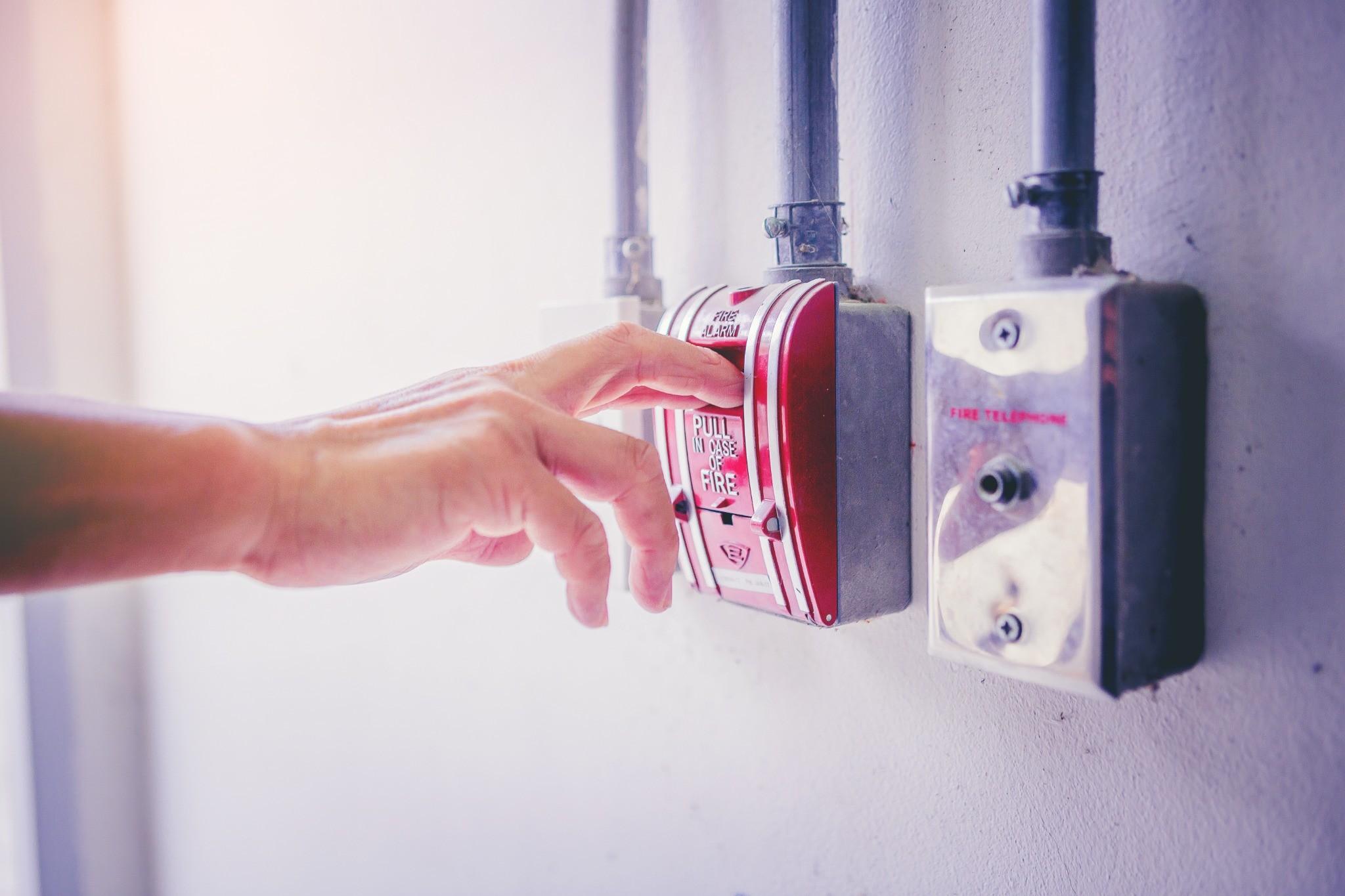
The 4 Main Types of Commercial Fire Sprinkler Systems: How to Choose the Right One for Your Building

Choosing the right fire sprinkler system is one of the most important decisions a building owner, facility manager, architect, or contractor can make. While all fire sprinkler systems are designed to suppress fires and protect lives, no single system is ideal for every building. The correct solution depends on your occupancy, fire hazards, building construction, environmental conditions, and applicable fire codes.

Installing the wrong sprinkler system can lead to higher installation costs, unnecessary maintenance, reduced system performance, and code compliance issues. On the other hand, selecting the appropriate system provides reliable fire protection while supporting long-term operational efficiency.

This guide explains the four primary commercial fire sprinkler system types, where each is commonly used, and the factors that should be considered before making a decision.

Why Fire Sprinkler System Selection Matters

Every commercial building presents different fire protection challenges.

Factors influencing sprinkler system selection include:

• Occupancy type
• Building construction
• Indoor temperature
• Fire hazards
• Commodity storage
• Ceiling height
• Water supply
• Local building codes
• Insurance requirements
• Future expansion plans

A properly selected sprinkler system improves fire suppression performance while helping facilities remain compliant with applicable NFPA standards.

Type 1: Wet Pipe Fire Sprinkler Systems

Wet pipe sprinkler systems are the most common commercial fire sprinkler systems installed today.

In a wet pipe system, water remains inside the piping at all times. When sufficient heat activates an individual sprinkler head, water is discharged immediately onto the fire.

Advantages include:

• Fastest response time
• Simple design
• High reliability
• Lower installation costs
• Reduced maintenance
• Proven long-term performance

Common applications include:

• Office buildings
• Retail centers
• Schools
• Healthcare facilities
• Hotels
• Apartment buildings
• Government facilities

Wet pipe systems work best in buildings where interior temperatures remain above freezing throughout the year.

Type 2: Dry Pipe Fire Sprinkler Systems

Dry pipe systems are designed for environments where freezing temperatures could damage water-filled piping.

Instead of water, these systems contain pressurized air or nitrogen until a sprinkler head activates. Once activated, the air is released and water enters the piping before being discharged onto the fire.

Dry pipe systems are commonly installed in:

• Parking garages
• Loading docks
• Exterior canopies
• Cold storage facilities
• Unheated warehouses
• Freezer buildings

Although they require slightly more maintenance than wet pipe systems, dry pipe systems provide dependable freeze protection for cold environments.

Type 3: Pre-Action Fire Sprinkler Systems

Pre-action sprinkler systems combine fire detection technology with traditional sprinkler protection.

Unlike wet pipe systems, water does not enter the sprinkler piping until a fire detection system first confirms a fire condition.

This additional level of protection helps reduce the risk of accidental water discharge.

Pre-action systems are ideal for:

• Data centers
• Server rooms
• Telecommunications facilities
• Museums
• Libraries
• Archives
• Clean rooms
• Mission-critical facilities

These systems protect valuable assets where unintended water discharge could cause significant financial loss.

Type 4: Deluge Fire Sprinkler Systems

Deluge systems are designed for facilities with rapidly developing, high-hazard fires.

Unlike traditional sprinkler systems, deluge systems utilize open sprinkler nozzles.

When a separate detection system activates, water flows simultaneously through every open nozzle, delivering large volumes of water across the protected area.

Deluge systems are commonly used in:

• Aircraft hangars
• Chemical processing plants
• Oil and gas facilities
• Power generation plants
• Fuel storage areas
• Industrial processing facilities

Because of their specialized applications, deluge systems require careful engineering and design.

Additional Commercial Fire Sprinkler Systems

Although the four systems above represent the primary sprinkler categories, several specialized systems are commonly installed in commercial facilities.

ESFR Fire Sprinkler Systems

Early Suppression Fast Response (ESFR) systems are specifically designed for warehouses with high-piled storage.

These systems suppress fires quickly while reducing the need for in-rack sprinklers in many warehouse applications.

In-Rack Fire Sprinkler Systems

Installed directly inside warehouse storage racks, these systems provide additional protection for high-density storage and challenging commodities.

Quell Fire Sprinkler Systems

Quell systems utilize specialized sprinkler technology to protect cold storage warehouses and facilities storing expanded plastics and other high-challenge commodities.

Choosing the Right Sprinkler System

Selecting the right sprinkler system involves more than simply choosing between wet and dry systems.

Important considerations include:

Building Occupancy

Office buildings, hospitals, warehouses, industrial facilities, schools, hotels, and manufacturing plants all have different fire protection requirements.

Environmental Conditions

Buildings exposed to freezing temperatures require different solutions than climate-controlled office environments.

Fire Hazards

Flammable liquids, combustible dust, hazardous chemicals, commercial cooking operations, and high-value electronics often require specialized suppression strategies.

Storage Arrangements

Warehouse storage height, commodity classification, and rack configuration significantly influence sprinkler system design.

Water Supply

Available water pressure and flow determine whether additional equipment such as fire pumps may be required.

Future Building Expansion

Planning for future tenant improvements or facility growth can reduce future modification costs.

How Fire Sprinklers Work with Other Fire Protection Systems

Fire sprinkler systems perform best when integrated into a complete fire protection strategy.

Many commercial facilities combine sprinkler systems with:

• Fire Alarm Systems
• Fire Alarm Monitoring
• Fire Pumps
• Fire Extinguishers
• Special Hazard Fire Suppression Systems
• Kitchen Hood Fire Suppression Systems
• Backflow Preventers
• Emergency & Exit Lighting
• Security Systems

These integrated systems work together to detect fires, notify occupants, suppress the fire, and support emergency responders.

Routine Inspections Keep Sprinkler Systems Reliable

Installing the proper sprinkler system is only the beginning.

Routine inspection, testing, and maintenance help ensure reliable performance throughout the system’s service life.

Typical inspection services include:

• Visual inspections
• Main drain testing
• Waterflow testing
• Valve inspections
• Fire pump testing
• Five-year obstruction investigations
• Internal pipe inspections
• Check valve inspections

Preventive maintenance helps identify deficiencies before they affect system performance.

Applicable NFPA Standards

Commercial sprinkler systems are governed by nationally recognized fire protection standards.

Frequently referenced standards include:

• NFPA 13 – Installation of Sprinkler Systems

• NFPA 25 – Inspection, Testing, and Maintenance of Water-Based Fire Protection Systems

• NFPA 20 – Installation of Fire Pumps

Additional requirements may be established by state and local building codes, insurance carriers, and the local Authority Having Jurisdiction (AHJ).

Professional Fire Protection Design Makes the Difference

Every commercial building has unique fire protection needs.

A professional fire protection evaluation considers:

• Building layout
• Occupancy classification
• Fire hazards
• Water supply
• Code requirements
• Operational needs
• Future growth

Proper engineering ensures the selected sprinkler system provides dependable protection while supporting long-term compliance and operational efficiency.

Protect Your Building with the Right Fire Sprinkler System

Selecting the right commercial fire sprinkler system is one of the most important decisions you can make to protect your facility. Whether your building requires a wet pipe, dry pipe, pre-action, deluge, ESFR, or specialized suppression system, choosing the right solution helps protect occupants, reduce property damage, and support long-term business continuity.

We provide complete fire sprinkler engineering, design, installation, inspections, testing, maintenance, repairs, and emergency service for commercial facilities across virtually every industry. Our experienced team will evaluate your building, identify your fire protection needs, and recommend a sprinkler system designed to keep your facility safe, compliant, and prepared for the future.

The 4 Main Types of Commercial Fire Alarm Systems: Choosing the Right Solution for Your Building

A commercial fire alarm system is one of the most important life safety investments a building owner can make. Its primary purpose is to detect fire conditions early, alert occupants, notify emergency responders, and work alongside other fire protection systems to minimize injuries, property damage, and business interruption.

However, not all fire alarm systems are the same. Different building types, occupancies, and operational needs require different system designs. Selecting the right fire alarm system can improve reliability, simplify maintenance, reduce nuisance alarms, and ensure long-term compliance with fire codes.

This guide explains the four primary types of commercial fire alarm systems, how each works, where they’re commonly used, and how to determine which system is best for your facility.

Why Choosing the Right Fire Alarm System Matters

Every commercial building presents unique fire protection challenges. Factors such as building size, occupancy, ceiling height, occupant load, and operational hazards all influence which type of fire alarm system should be installed.

The right fire alarm system helps:

• Detect fires earlier
• Improve occupant safety
• Simplify emergency response
• Reduce false alarms
• Support code compliance
• Integrate with other life safety systems
• Lower long-term maintenance costs
• Allow for future expansion

Selecting the proper system during the design phase can prevent costly upgrades later.

Category 1: Conventional Fire Alarm Systems

Conventional fire alarm systems divide a building into multiple zones.

When an alarm activates, the control panel identifies which zone contains the initiating device but does not identify the exact detector or pull station.

These systems are best suited for:

• Small office buildings
• Small retail facilities
• Restaurants
• Small churches
• Stand-alone commercial buildings
• Smaller warehouses

Advantages include:

• Lower installation costs
• Simple operation
• Reliable performance
• Straightforward maintenance

Limitations include:

• Limited information during an alarm
• More difficult troubleshooting
• Less flexibility for expansion
• Larger wiring requirements

Although conventional systems remain effective for smaller buildings, many modern facilities now utilize addressable technology.

Category 2: Addressable Fire Alarm Systems

Addressable fire alarm systems are the most common solution for today’s commercial buildings.

Unlike conventional systems, every initiating device has its own unique address, allowing the control panel to identify the exact location of an alarm.

For example, instead of displaying “Zone 4 Alarm,” an addressable system may identify:

“Second Floor – Mechanical Room – Smoke Detector 17”

This level of detail allows emergency responders to locate developing fire conditions much more quickly.

Addressable systems are commonly installed in:

• Healthcare facilities
• Schools
• Hotels
• Manufacturing plants
• Office buildings
• High-rise buildings
• Warehouses
• Government facilities

Benefits include:

• Faster alarm identification
• Simplified maintenance
• Easier troubleshooting
• Greater system flexibility
• Reduced wiring
• Easier future expansion
• Advanced diagnostics

For most medium and large commercial buildings, addressable systems provide the best combination of performance and scalability.

Category 3: Intelligent Fire Alarm Systems

Intelligent fire alarm systems build upon addressable technology by continuously monitoring the condition of every connected device.

Rather than waiting for a detector to activate, intelligent systems evaluate information such as:

• Detector sensitivity
• Environmental conditions
• Device status
• System health
• Communication quality

Some systems can even notify facility managers when a detector requires cleaning or maintenance before it causes nuisance alarms.

These advanced capabilities help:

• Improve reliability
• Reduce false alarms
• Simplify maintenance
• Extend equipment life
• Improve inspection efficiency

Intelligent systems are often found in:

• Hospitals
• Data centers
• Universities
• Airports
• Industrial facilities
• Corporate campuses

As buildings become more technologically advanced, intelligent fire alarm systems continue to gain popularity.

Category 4: Voice Evacuation and Emergency Communication Systems

Some commercial occupancies require more than horns and strobes.

Voice evacuation systems provide spoken instructions that help occupants safely leave the building during an emergency.

Instead of simply sounding an alarm, these systems may broadcast messages such as:

• Evacuation instructions
• Shelter-in-place notifications
• Emergency updates
• Building-specific directions

Voice evacuation systems are commonly installed in:

• High-rise office buildings
• Hospitals
• Schools
• Universities
• Stadiums
• Airports
• Convention centers
• Large hotels
• Government facilities

Benefits include:

• Improved occupant communication
• Reduced confusion
• Faster evacuation
• Better emergency coordination
• Enhanced life safety

Many large commercial buildings now combine voice evacuation with intelligent addressable fire alarm technology.

Fire Alarm Systems Work Best When Integrated

Modern fire alarm systems do much more than detect smoke.

They often communicate directly with:

• Fire sprinkler systems
• Fire pumps
• Smoke control systems
• Security systems
• Access control
• Emergency lighting
• Elevator recall systems
• Building automation systems
• Fire alarm monitoring services

This integration creates a coordinated emergency response that improves both life safety and property protection.

Choosing the Right Fire Alarm System

Several factors should be evaluated before selecting a fire alarm system.

These include:

• Building occupancy
• Building size
• Number of occupants
• Ceiling height
• Fire hazards
• Local code requirements
• Future expansion
• Budget
• Insurance requirements
• AHJ requirements

An experienced fire protection professional can evaluate these factors and recommend the most appropriate solution.

Fire Alarm Monitoring Completes the System

Regardless of which fire alarm system is selected, professional monitoring greatly enhances building protection.

Monitoring services provide:

• 24/7 alarm supervision
• Immediate notification of emergency responders
• Protection during unoccupied hours
• Reduced response times
• Improved business continuity

Without monitoring, alarm signals may go unnoticed after business hours or during low occupancy periods.

Routine Inspections Keep Systems Reliable

Every commercial fire alarm system requires regular inspection, testing, and maintenance.

Routine inspections help verify:

• Detector operation
• Notification appliance performance
• Battery backup
• Communication reliability
• Monitoring connections
• Device sensitivity
• Programming integrity
• Overall system performance

Preventive maintenance helps identify potential issues before they affect building safety.

Applicable Fire Alarm Standards

Commercial fire alarm systems are designed and maintained according to nationally recognized standards.

Frequently referenced codes include:

• NFPA 72 – National Fire Alarm and Signaling Code

• NFPA 70 – National Electrical Code

• NFPA 101 – Life Safety Code

Additional requirements may apply based on occupancy type, insurance carriers, and the local Authority Having Jurisdiction (AHJ).

Planning for the Future

A fire alarm system should support your facility not only today but also years into the future.

As businesses grow, buildings often experience:

• Tenant improvements
• Office expansions
• Warehouse additions
• Manufacturing upgrades
• Occupancy changes
• Technology improvements

Selecting a scalable system during initial installation helps simplify future modifications while reducing long-term costs.

Partner with Fire Alarm Professionals

Choosing the right commercial fire alarm system requires more than selecting equipment. It requires careful planning, engineering expertise, code knowledge, and a thorough understanding of your facility’s operations and long-term goals.

Whether you’re constructing a new commercial building, replacing an outdated fire alarm system, or expanding your existing facility, we provide complete fire alarm engineering, design, installation, inspections, testing, monitoring, maintenance, and repair services. Our experienced team will help you select the fire alarm solution that best protects your people, property, and business operations while ensuring compliance with applicable codes and standards.


What Triggers a Commercial Fire Sprinkler System? Understanding How Fire Sprinklers Really Work

One of the most common misconceptions about commercial fire sprinkler systems is that they activate whenever smoke is detected or when a fire alarm sounds. Movies and television have reinforced the myth that every sprinkler head in a building discharges water at once, flooding the entire facility over a minor incident.

In reality, commercial fire sprinkler systems are much more sophisticated. They are designed to respond only when exposed to sufficient heat from a fire, allowing them to suppress fires quickly while minimizing unnecessary water damage.

Understanding what actually causes a sprinkler system to activate can help building owners, facility managers, and property managers better appreciate how these systems protect lives, property, and business operations.

How Commercial Fire Sprinkler Systems Work

Most commercial fire sprinkler systems are designed to respond automatically without human intervention.

Each sprinkler head operates independently and contains a heat-sensitive element, typically either:

• A glass bulb filled with a temperature-sensitive liquid
• A fusible metal link

When the surrounding air reaches the sprinkler’s rated activation temperature, that element breaks or releases, allowing water to discharge directly over the fire.

Because every sprinkler head operates independently, only those exposed to enough heat will activate.

Do All Sprinkler Heads Activate at Once?

No.

This is one of the biggest myths surrounding fire sprinkler systems.

Only sprinkler heads located near the fire typically activate.

For example, if a fire starts in a warehouse storage aisle, only the sprinkler heads exposed to the heat generated by that fire will open.

The remaining sprinkler heads throughout the building remain closed.

This targeted response helps:

• Control the fire quickly
• Reduce water damage
• Preserve inventory
• Protect equipment
• Maintain business operations

Properly functioning sprinkler systems deliver water only where it is needed.

What Actually Triggers a Fire Sprinkler?

Commercial sprinkler systems respond to heat—not smoke, flames, or the fire alarm itself.

Most standard sprinkler heads activate when temperatures reach approximately 155°F to 165°F, although different temperature ratings are available depending on the application.

Several conditions can produce enough heat to activate a sprinkler head.

Scenario 1 – A Growing Structural Fire

The most common activation occurs during a developing building fire.

As flames grow, hot gases collect near the ceiling where sprinkler heads are installed.

Once the activation temperature is reached, the nearest sprinkler head opens and begins discharging water.

This rapid response helps slow fire growth long before firefighters arrive.

Scenario 2 – Fire Involving Stored Commodities

Warehouses often store large quantities of combustible materials.

When stored products ignite, heat rises rapidly toward the ceiling.

Properly designed sprinkler systems—especially ESFR and In-Rack sprinkler systems—respond quickly to control fires before they spread throughout storage racks.

These systems are specifically engineered for modern warehouse environments with high-piled storage.

Scenario 3 – Industrial Equipment Fires

Manufacturing facilities contain numerous potential ignition sources, including:

• Production equipment
• Electrical systems
• Hydraulic equipment
• Industrial ovens
• Conveyors
• Mechanical machinery

If enough heat reaches nearby sprinkler heads, the system activates to suppress the fire and help protect valuable equipment.

Scenario 4 – Commercial Kitchen Fires

Commercial kitchens present unique fire hazards involving cooking oils, grease vapors, and open flames.

Although kitchen hood suppression systems provide primary protection for cooking equipment, nearby sprinkler systems may also activate if heat spreads beyond the cooking area.

Together, these systems help prevent fires from extending into the rest of the building.

Scenario 5 – High-Hazard Industrial Fires

Facilities handling flammable liquids, combustible chemicals, or hazardous manufacturing processes may utilize specialized sprinkler systems such as Deluge or Foam Fire Suppression Systems.

Unlike traditional wet pipe systems, these specialized systems are designed for occupancies where fires can spread rapidly and require large volumes of suppression agent immediately after activation.

What Does NOT Trigger a Fire Sprinkler?

Understanding what does not activate sprinkler systems is equally important.

Commercial sprinkler systems generally are not activated by:

• Smoke
• Steam
• Burnt food
• Cigarette smoke
• Dust
• Fire alarm activation
• Pull stations
• Loud noises
• Occupancy
• Normal cooking heat

This design helps prevent unnecessary water discharge while ensuring sprinklers activate only during actual fire conditions.

Can a Fire Alarm Activate the Sprinklers?

Generally, no.

Fire alarm systems and fire sprinkler systems are separate life safety systems that perform different functions.

Fire alarm systems:

• Detect smoke or heat
• Notify occupants
• Activate alarms
• Notify monitoring centers
• Coordinate emergency response

Fire sprinkler systems:

• Respond to heat
• Control or suppress the fire
• Reduce fire growth
• Limit property damage

Although these systems often communicate with one another, the fire alarm itself does not normally trigger sprinkler activation.

Why Activation Temperature Matters

Different sprinkler heads are manufactured with different temperature ratings depending on the environment they protect.

Examples include:

Ordinary Temperature Sprinklers

Commonly installed in offices, schools, retail facilities, and healthcare buildings.

Intermediate Temperature Sprinklers

Frequently installed near commercial kitchens, boiler rooms, and mechanical equipment.

High Temperature Sprinklers

Used in manufacturing facilities and industrial environments where elevated ambient temperatures are expected.

Selecting the proper temperature rating helps ensure reliable operation while preventing unnecessary activations.

Different Sprinkler Systems Respond Differently

Although all sprinkler systems are designed to suppress fires, each operates somewhat differently.

Wet Pipe Systems

The most common commercial sprinkler system.

Water remains inside the piping and discharges immediately once a sprinkler head activates.

Dry Pipe Systems

Used where freezing temperatures are possible.

Pressurized air is released first, allowing water to enter the piping before discharge occurs.

Pre-Action Systems

Require both fire detection and sprinkler activation before water enters the piping.

Often installed in:

• Data centers
• Museums
• Archives
• Telecommunications facilities

Deluge Systems

Open sprinkler nozzles discharge water simultaneously after a separate detection system activates.

These systems protect high-hazard industrial occupancies.

ESFR Systems

Designed to suppress warehouse fires quickly without relying on in-rack sprinklers in many applications.

Why Routine Inspections Are Critical

Fire sprinkler systems cannot protect a building if they are not properly maintained.

Routine inspections help verify:

• Sprinkler heads remain unobstructed.
• Control valves remain open.
• Water supplies remain available.
• Alarm devices operate properly.
• Corrosion has not damaged piping.
• Mechanical damage has not occurred.
• Required testing has been completed.

Preventive maintenance helps identify deficiencies before they become emergencies.

Understanding NFPA 25

Commercial sprinkler inspections are performed in accordance with NFPA 25, the Standard for the Inspection, Testing, and Maintenance of Water-Based Fire Protection Systems.

Routine services may include:

• Visual inspections
• Main drain testing
• Waterflow testing
• Valve inspections
• Fire pump testing
• Five-year obstruction investigations
• Internal pipe inspections
• Check valve inspections

Maintaining these inspection schedules helps ensure sprinkler systems remain reliable throughout their service life.

Fire Sprinklers Are One Part of a Complete Fire Protection Strategy

Automatic sprinkler systems provide outstanding fire suppression, but they perform best when integrated with other life safety systems.

A complete commercial fire protection strategy may include:

• Fire Alarm Systems
• Fire Alarm Monitoring
• Fire Pumps
• Portable Fire Extinguishers
• Special Hazard Fire Suppression Systems
• Kitchen Hood Suppression Systems
• Backflow Preventers
• Emergency & Exit Lighting
• Security & Access Control Systems

Together, these systems provide multiple layers of protection that improve occupant safety while reducing business risk.

Protect Your Facility with a Reliable Fire Sprinkler System

Commercial fire sprinkler systems are designed to activate only when they’re truly needed, providing fast, targeted fire suppression that helps protect people, property, and business operations. Understanding how sprinkler systems work—and what actually triggers them—can help facility owners make informed decisions about system design, inspections, maintenance, and future upgrades.

Whether you’re installing a new sprinkler system, upgrading an existing one, or scheduling routine inspections, we provide complete engineering, design, installation, inspections, testing, maintenance, repairs, and emergency service for commercial fire sprinkler systems. Our experienced team can help ensure your facility remains protected, compliant, and prepared for the unexpected.


Fire Protection Best Practices by Industry: How Different Facilities Can Reduce Fire Risk

No two commercial facilities face the same fire risks. A warehouse storing high-piled commodities presents very different hazards than a hospital, manufacturing plant, office building, or hotel. While every business shares the goal of protecting people and property, the fire protection systems, inspection requirements, and code considerations vary significantly depending on the occupancy and operations within the building.

An effective fire protection program begins with understanding your industry’s unique hazards and implementing systems designed specifically for those risks. By combining properly designed fire protection systems with routine inspections, preventive maintenance, employee awareness, and ongoing code compliance, businesses can significantly reduce fire risk while protecting their operations.

This guide explores fire protection best practices across several major commercial industries and highlights the systems that help keep facilities safe and compliant.

Why Industry-Specific Fire Protection Matters

Commercial buildings are designed and operated differently based on their intended use. Occupancy classifications influence everything from sprinkler system design and fire alarm requirements to inspection frequencies and suppression technologies.

Factors that affect fire protection include:

• Occupancy type
• Building construction
• Fire load
• Storage methods
• Manufacturing processes
• Hazardous materials
• Occupant load
• Business operations
• Local fire codes
• Authority Having Jurisdiction (AHJ) requirements

Choosing fire protection systems that align with these factors provides more effective protection while helping facilities comply with applicable regulations.

Warehouse and Distribution Facilities

Warehouses often present some of the most demanding fire protection challenges due to high storage densities, combustible commodities, and tall storage racks.

Best practices include:

• Install properly designed ESFR or In-Rack sprinkler systems.
• Maintain adequate clearance below sprinkler heads.
• Avoid unauthorized storage changes.
• Conduct routine sprinkler inspections.
• Perform regular obstruction investigations.
• Maintain accurate commodity classifications.
• Test fire pumps and water supplies.

Common fire protection systems:

• ESFR Fire Sprinkler Systems
• In-Rack Fire Sprinkler Systems
• Fire Alarm Systems
• Fire Alarm Monitoring
• Fire Pumps

Manufacturing Facilities

Manufacturing environments frequently involve machinery, electrical equipment, welding operations, combustible dust, and flammable liquids.

Recommended practices include:

• Evaluate process-specific hazards.
• Protect hazardous equipment with specialized suppression systems.
• Inspect electrical equipment regularly.
• Implement hot work procedures.
• Maintain housekeeping programs.
• Inspect sprinkler systems routinely.
• Train employees on fire safety procedures.

Common systems include:

• Wet Pipe Fire Sprinklers
• Deluge Fire Sprinklers
• Foam Fire Suppression
• CO₂ Fire Suppression
• Fire Alarm Systems

Healthcare Facilities

Hospitals, clinics, assisted living communities, and medical campuses require highly reliable fire protection because many occupants cannot evacuate independently.

Best practices include:

• Perform routine fire alarm testing.
• Maintain sprinkler systems.
• Inspect smoke barriers and fire doors.
• Test emergency power systems.
• Maintain emergency lighting.
• Verify monitoring connections.
• Document all inspections.

Common systems include:

• Wet Pipe Fire Sprinklers
• Fire Alarm Systems
• Fire Alarm Monitoring
• Fire Pumps
• Emergency Power Integration

Healthcare facilities are also subject to additional requirements under NFPA 99 and other healthcare-specific standards.

Data Centers

Data centers protect critical business infrastructure where water damage can be nearly as disruptive as fire.

Best practices include:

• Install early smoke detection.
• Utilize clean agent suppression where appropriate.
• Protect electrical rooms.
• Monitor environmental conditions.
• Maintain redundant fire protection systems.
• Perform routine testing.

Common systems include:

• Pre-Action Fire Sprinkler Systems
• FM-200 Fire Suppression
• Vortex Fire Suppression
• Aspirating Smoke Detection
• Fire Alarm Monitoring

Retail Facilities

Retail buildings often experience high customer traffic, changing merchandise layouts, and seasonal inventory increases.

Recommended practices include:

• Maintain clear exit pathways.
• Avoid blocking sprinkler heads.
• Protect stockrooms.
• Inspect fire extinguishers.
• Test fire alarm systems regularly.
• Train employees on emergency procedures.

Common systems include:

• Wet Pipe Fire Sprinklers
• Fire Alarm Systems
• Fire Alarm Monitoring
• Portable Fire Extinguishers

Hospitality Facilities

Hotels and resorts must protect guests who may be unfamiliar with the building layout.

Best practices include:

• Maintain emergency lighting.
• Test guest room notification devices.
• Inspect sprinkler systems.
• Maintain kitchen suppression systems.
• Verify monitoring connections.
• Conduct routine fire alarm testing.

Common systems include:

• Fire Alarm Systems
• Wet Pipe Fire Sprinklers
• Kitchen Hood Suppression
• Fire Alarm Monitoring
• Fire Pumps

Educational Facilities

Schools and universities present unique life safety challenges because of high occupant loads and diverse building uses.

Recommended practices include:

• Test fire alarm systems regularly.
• Inspect sprinkler systems.
• Maintain emergency lighting.
• Protect science laboratories.
• Inspect commercial kitchen suppression systems.
• Keep exits unobstructed.

Common systems include:

• Fire Alarm Systems
• Wet Pipe Fire Sprinklers
• Kitchen Hood Suppression
• Emergency Lighting
• Fire Alarm Monitoring

Industrial Facilities

Industrial facilities often contain specialized hazards that require engineered fire protection solutions.

Best practices include:

• Protect hazardous processes.
• Inspect special hazard systems.
• Maintain fire pumps.
• Evaluate flammable liquid storage.
• Test detection systems.
• Perform preventive maintenance.
• Review operational changes regularly.

Common systems include:

• Deluge Fire Sprinklers
• Foam Fire Suppression
• CO₂ Fire Suppression
• Fire Alarm Systems
• Fire Pumps

Property Management

Property managers are responsible for maintaining life safety across multiple tenants and occupancies.

Recommended practices include:

• Maintain inspection schedules.
• Document all testing.
• Coordinate tenant improvements.
• Verify fire alarm monitoring.
• Inspect sprinkler control valves.
• Maintain fire extinguishers.
• Address deficiencies promptly.

Common systems include:

• Fire Sprinkler Systems
• Fire Alarm Systems
• Fire Alarm Monitoring
• Fire Extinguishers
• Backflow Preventers

Oil & Gas Facilities

Oil and gas operations involve flammable liquids, combustible gases, and hazardous processing equipment that require specialized fire protection strategies.

Best practices include:

• Protect fuel handling areas.
• Inspect foam suppression systems.
• Test fire pumps regularly.
• Maintain gas detection systems.
• Protect process equipment.
• Evaluate hazardous storage areas.
• Inspect emergency shutdown systems.

Common systems include:

• Foam Fire Suppression
• Deluge Fire Sprinkler Systems
• Fire Alarm Systems
• Fire Pumps
• Special Hazard Fire Suppression

Routine Inspections Are Essential Across Every Industry

Regardless of occupancy, every commercial facility benefits from a proactive inspection and maintenance program.

Routine services typically include:

• Fire sprinkler inspections
• Fire alarm inspections
• Fire extinguisher inspections
• Fire pump testing
• Backflow preventer testing
• Fire alarm monitoring verification
• Kitchen hood inspections
• Special hazard system inspections

Regular inspections help identify deficiencies early while maintaining compliance with applicable fire codes.

Fire Protection Is an Ongoing Process

Commercial facilities change over time. Buildings are renovated, storage layouts evolve, manufacturing processes change, and occupancy classifications may shift. As these changes occur, fire protection systems should be reviewed to ensure they continue providing the appropriate level of protection.

A proactive approach includes:

• Reviewing hazards annually.
• Updating fire protection systems as needed.
• Performing preventive maintenance.
• Documenting inspections.
• Training employees.
• Evaluating future operational changes.

Regular reviews help facilities remain compliant while reducing the likelihood of costly fire losses.

Protect Your Facility with an Industry-Specific Fire Protection Strategy

Every industry presents unique fire protection challenges, and no single solution works for every facility. Selecting the right combination of fire sprinkler systems, fire alarms, monitoring, suppression systems, inspections, and preventive maintenance helps protect occupants while supporting long-term business continuity.

Whether you operate a warehouse, manufacturing facility, healthcare campus, hotel, retail center, educational institution, industrial plant, or commercial office building, we provide comprehensive fire protection solutions tailored to your facility’s specific needs. From engineering and design to installation, inspections, testing, maintenance, monitoring, and emergency service, our experienced team can help you build a fire protection program designed for your industry.


Commercial Kitchen Fire Protection: Grease Duct Code Requirements and Best Practices

Commercial kitchens present some of the highest fire risks of any commercial occupancy. Open flames, high-temperature cooking equipment, grease-laden vapors, and combustible cooking oils create an environment where fires can develop and spread rapidly if proper fire protection systems are not in place.

Fortunately, modern commercial kitchen fire protection systems are specifically designed to detect, suppress, and contain these unique hazards. When combined with routine inspections, professional maintenance, grease duct cleaning, and compliance with National Fire Protection Association (NFPA) standards, these systems help restaurants, hotels, healthcare facilities, schools, entertainment venues, and institutional kitchens protect lives, property, and business operations.

Whether you’re designing a new commercial kitchen or maintaining an existing one, understanding grease duct fire protection requirements is essential for maintaining a safe and code-compliant facility.

Why Commercial Kitchens Require Specialized Fire Protection

Unlike most commercial occupancies, commercial kitchens combine multiple fire hazards into a relatively small space.

Common hazards include:

• Open flame cooking equipment
• High-temperature appliances
• Grease-laden vapors
• Flammable cooking oils
• Deep fryers
• Charbroilers
• Grills
• Commercial ranges
• Solid fuel cooking equipment

These hazards create conditions where fires can ignite quickly and spread through kitchen exhaust systems if not properly controlled.

How Grease Duct Fires Start

During normal cooking operations, grease vapors travel through the kitchen exhaust hood and into the ductwork.

As these vapors cool, grease accumulates on the interior surfaces of the duct.

Over time, excessive grease buildup can:

• Ignite from cooking flames
• Spread rapidly through the exhaust system
• Carry fire into concealed spaces
• Extend fire throughout the building

Because grease is highly combustible, even a small kitchen fire can become a major structural fire if grease ducts are not properly maintained.

What Is a Commercial Kitchen Fire Suppression System?

Commercial kitchen fire suppression systems are engineered specifically to protect cooking appliances and exhaust systems.

Unlike standard fire sprinkler systems, kitchen suppression systems are designed to rapidly suppress grease fires while minimizing the risk of re-ignition.

A typical kitchen fire suppression system protects:

• Cooking appliances
• Exhaust hoods
• Grease ducts
• Fryers
• Grills
• Ranges
• Charbroilers
• Broilers

Most systems also automatically shut down fuel and electrical supplies to cooking equipment once the system activates.

How Kitchen Fire Suppression Systems Work

When excessive heat is detected, the suppression system automatically activates.

The system typically:

• Detects elevated temperatures
• Releases a wet chemical suppression agent
• Covers cooking appliances
• Protects the exhaust hood
• Protects grease ducts
• Shuts off gas and electrical power
• Sounds an alarm
• Helps prevent fire re-ignition

The wet chemical agent rapidly cools burning cooking oils while creating a protective layer that helps prevent flare-ups.

Why Grease Duct Cleaning Is So Important

One of the leading causes of commercial kitchen fires is excessive grease accumulation inside exhaust systems.

Routine grease duct cleaning helps:

• Reduce fire hazards
• Improve ventilation
• Maintain proper airflow
• Increase equipment efficiency
• Improve indoor air quality
• Reduce odors
• Extend equipment life
• Support code compliance

Cleaning frequency depends on the volume and type of cooking performed within the facility.

Facilities with heavy grease-producing operations often require more frequent cleaning than kitchens with lighter cooking operations.

Understanding NFPA 96

NFPA 96, Standard for Ventilation Control and Fire Protection of Commercial Cooking Operations, establishes the requirements for commercial kitchen exhaust systems and fire protection.

The standard addresses topics including:

• Kitchen hood design
• Grease duct construction
• Fire suppression systems
• Inspection requirements
• Cleaning requirements
• Exhaust fan maintenance
• Fuel shutoffs
• Clearance requirements

Following NFPA 96 helps reduce fire risk while supporting compliance with local fire codes.

Additional Fire Protection Systems in Commercial Kitchens

Kitchen suppression systems are only one part of a comprehensive fire protection strategy.

Many commercial kitchens also require:

• Fire sprinkler systems
• Fire alarm systems
• Fire alarm monitoring
• Portable fire extinguishers
• Emergency lighting
• Exit signs
• Fire pumps (where applicable)

Together, these systems provide multiple layers of protection for both the kitchen and the rest of the facility.

Fire Extinguishers for Commercial Kitchens

Commercial kitchens require specialized portable fire extinguishers designed for cooking oil fires.

Class K fire extinguishers are specifically designed to suppress fires involving:

• Vegetable oils
• Animal fats
• Deep fryers
• Commercial cooking appliances

Using the wrong extinguisher on a grease fire can actually make the fire worse.

Facilities should ensure the correct extinguisher types are installed and inspected regularly.

Routine Kitchen Fire System Inspections

Commercial kitchen fire suppression systems require periodic inspection and maintenance to remain reliable.

Routine inspections typically include:

• Detection line inspection
• Nozzle inspection
• Agent cylinder verification
• Fusible link replacement
• Manual pull station testing
• Fuel shutoff verification
• Electrical shutdown testing
• System documentation

Regular inspections help ensure the system will activate properly during an emergency.

Common Kitchen Fire Protection Deficiencies

During inspections, technicians frequently identify issues that increase fire risk.

Common deficiencies include:

• Grease accumulation
• Blocked nozzles
• Missing nozzle caps
• Expired suppression agent
• Damaged fusible links
• Obstructed cooking equipment
• Missing Class K extinguishers
• Improper appliance placement
• Inoperative fuel shutoffs

Correcting these deficiencies promptly helps maintain code compliance and reduce fire hazards.

Industries That Require Commercial Kitchen Fire Protection

Kitchen fire suppression systems are commonly found in:

• Restaurants
• Hotels
• Hospitals
• Assisted living facilities
• Schools and universities
• Casinos
• Corporate cafeterias
• Stadiums
• Event venues
• Correctional facilities

Any facility operating commercial cooking equipment should evaluate its fire protection requirements carefully.

The Cost of Poor Kitchen Fire Protection

A kitchen fire can cause far more than physical damage.

Without proper fire protection, businesses may experience:

• Temporary closures
• Lost revenue
• Equipment replacement costs
• Water and smoke damage
• Insurance claims
• Regulatory penalties
• Business interruption
• Reputation damage

Routine maintenance and inspections are far less expensive than recovering from a major kitchen fire.

Choosing an Experienced Fire Protection Partner

Commercial kitchen fire protection requires specialized expertise.

An experienced fire protection provider can assist with:

• System design
• Installation
• Routine inspections
• Preventive maintenance
• System testing
• Emergency repairs
• Code compliance
• System upgrades

Working with qualified professionals helps ensure your kitchen remains protected while meeting applicable NFPA standards and local code requirements.

Protect Your Commercial Kitchen with a Complete Fire Protection Program

Commercial kitchens operate in one of the highest-risk fire environments found in any commercial facility. Properly maintained kitchen fire suppression systems, clean grease ducts, routine inspections, and compliance with NFPA 96 all play a critical role in protecting employees, customers, property, and business operations.

Whether you operate a restaurant, healthcare kitchen, school cafeteria, hotel, or institutional food service facility, we provide complete commercial kitchen fire protection services including system design, installation, inspections, testing, maintenance, repairs, and code compliance support. Our experienced team can help ensure your kitchen fire protection systems remain reliable, compliant, and ready to respond when they’re needed most.

Fire Sprinkler Repair vs. Replacement: How to Know What’s Best for Your Commercial Building

A commercial fire sprinkler system is designed to protect lives, property, and business operations during a fire emergency. Like any mechanical system, however, sprinkler systems age over time and may eventually require repairs or even complete replacement. Knowing when a simple repair is sufficient—and when replacement is the smarter long-term investment—can help facility managers reduce costs while maintaining a safe and code-compliant building.

Not every damaged sprinkler component requires replacing an entire system. In many cases, targeted repairs can restore reliable performance. However, widespread corrosion, outdated equipment, repeated failures, or major building renovations may indicate that replacing all or part of the system is the better solution.

Understanding the differences between repair and replacement allows building owners to make informed decisions that protect both their facilities and their budgets.

When Is a Fire Sprinkler Repair Enough?

Many sprinkler system issues can be corrected quickly without replacing the entire system.

Repairs are often appropriate when problems are isolated and the overall system remains in good condition.

Examples include:

• Damaged sprinkler heads
• Minor pipe leaks
• Valve repairs
• Fire department connection repairs
• Alarm device replacement
• Small sections of corroded piping
• Damaged gauges
• Air compressor repairs on dry systems

These types of repairs typically restore the system to proper working order while minimizing cost and disruption.

Signs Your Fire Sprinkler System Needs Attention

Many sprinkler system problems develop gradually over time.

Common warning signs include:

• Water leaks
• Corrosion on piping
• Rust-colored water
• Damaged sprinkler heads
• Low system pressure
• Frequent valve problems
• Accidental impacts
• Failed inspections
• Repeated service calls

Addressing these issues early often prevents larger, more expensive repairs in the future.

When Replacement May Be the Better Option

Although repairs are often sufficient, some systems reach a point where replacement becomes the more practical long-term solution.

Replacement should be considered when:

• Corrosion is widespread.
• Large portions of piping have deteriorated.
• The building has undergone significant renovations.
• Occupancy classifications have changed.
• Existing systems no longer meet code requirements.
• Replacement parts are difficult to obtain.
• Repair costs continue to increase.
• The system no longer provides adequate protection.

Replacing aging systems before a major failure occurs can reduce downtime and improve long-term reliability.

The Hidden Cost of Repeated Repairs

Many facility owners focus on the immediate cost of a repair without considering long-term maintenance expenses.

If a sprinkler system requires frequent service calls, recurring leaks, or repeated component replacements, the total cost of ownership may eventually exceed the cost of replacing aging equipment.

Repeated emergency repairs can also create:

• Operational disruptions
• Tenant complaints
• Increased maintenance budgets
• Insurance concerns
• Higher risk of system impairment

Evaluating long-term performance rather than individual repair costs often leads to better financial decisions.

Corrosion Is One of the Biggest Warning Signs

Internal corrosion remains one of the leading causes of sprinkler system failures.

Over time, corrosion can:

• Restrict water flow
• Weaken piping
• Damage sprinkler heads
• Cause pinhole leaks
• Increase maintenance costs
• Reduce system reliability

Facilities with older sprinkler systems should consider periodic internal pipe inspections and obstruction investigations to identify corrosion before failures occur.

How Building Renovations Affect Fire Protection Systems

Renovations frequently require modifications to existing sprinkler systems.

Examples include:

• Office remodels
• Warehouse expansions
• New tenant buildouts
• Ceiling modifications
• Equipment relocations
• Storage changes

During renovations, sprinkler layouts often need to be updated to maintain proper coverage and comply with current fire protection standards.

In some cases, replacing portions of the system is more practical than modifying older piping.

Changes in Occupancy May Require System Upgrades

Buildings evolve over time.

A warehouse may become a manufacturing facility. Office space may become medical offices. Retail stores may increase storage heights.

These changes can significantly alter fire protection requirements.

Occupancy changes may require:

• Additional sprinkler heads
• Larger water supplies
• Fire pump upgrades
• Different sprinkler types
• New hazard classifications
• Updated hydraulic calculations

Reviewing your fire protection system whenever occupancy changes occur helps maintain code compliance and adequate protection.

The Importance of NFPA 25 Inspections

Routine inspections are often the first indication that repairs or replacement may be needed.

NFPA 25 establishes inspection, testing, and maintenance requirements for water-based fire protection systems.

Regular inspections evaluate:

• Sprinkler heads
• Control valves
• Fire pumps
• Waterflow devices
• Alarm valves
• System piping
• Gauges
• Backflow preventers

These inspections help identify deficiencies before they become major problems.

Repair or Replace? Questions to Consider

When evaluating your system, ask the following questions:

• How old is the sprinkler system?
• Has it experienced repeated leaks?
• Are repair costs increasing?
• Has corrosion been identified?
• Have building operations changed?
• Does the system meet current code requirements?
• Are replacement parts readily available?
• Will future renovations require significant modifications?

Answering these questions can help determine the most cost-effective long-term solution.

The Benefits of Replacing an Aging Fire Sprinkler System

Although replacement requires a larger initial investment, it often provides significant long-term benefits.

Advantages may include:

• Improved reliability
• Reduced maintenance costs
• Better hydraulic performance
• Compliance with current codes
• Greater flexibility for future expansion
• Improved protection for modern occupancies
• Longer equipment life
• Increased property value

Many facility owners find that replacing aging systems ultimately reduces operating costs over the life of the building.

Fire Sprinkler Repairs Should Never Be Delayed

Even seemingly minor sprinkler deficiencies can become major issues if ignored.

Delaying repairs may result in:

• Larger leaks
• Water damage
• Failed inspections
• Increased corrosion
• Reduced fire protection
• Costly emergency service
• Business interruption

Addressing deficiencies promptly helps maintain system reliability while protecting your investment.

Professional Evaluations Make the Difference

Determining whether a sprinkler system should be repaired or replaced requires experience and a thorough understanding of commercial fire protection systems.

A professional evaluation should include:

• System age assessment
• Inspection history review
• Corrosion evaluation
• Hydraulic performance
• Occupancy review
• Code compliance evaluation
• Future operational needs
• Lifecycle cost analysis

This comprehensive approach allows facility owners to make informed decisions based on long-term value rather than short-term cost alone.

Protect Your Facility with the Right Long-Term Solution

Every commercial fire sprinkler system eventually reaches a point where repairs alone may no longer be the most effective solution. Understanding when to repair, when to upgrade, and when to replace aging equipment helps protect your building while reducing long-term maintenance costs.

Whether you need emergency sprinkler repairs, system modifications, tenant buildout services, or a complete sprinkler system replacement, our experienced team provides comprehensive engineering, design, installation, inspections, testing, maintenance, and repair services for commercial facilities across virtually every industry. We can evaluate your existing system and recommend the solution that best supports your facility, budget, and long-term operational goals.


What to Do When a Commercial Fire Sprinkler System Leaks: A Facility Manager’s Guide

A leaking fire sprinkler system can quickly disrupt business operations, damage inventory, and create costly repairs if it isn’t addressed promptly. While automatic fire sprinkler systems are among the most reliable forms of commercial fire protection, they are mechanical systems that can occasionally experience leaks due to aging components, accidental damage, freezing temperatures, corrosion, or system failures.

Knowing how to respond when a sprinkler leak occurs can help minimize water damage, protect your property, and restore your fire protection system safely and efficiently. Just as importantly, understanding what caused the leak can help prevent similar problems in the future.

Whether you’re responsible for an office building, warehouse, manufacturing facility, healthcare campus, retail center, school, or apartment complex, having a response plan in place before an emergency occurs can significantly reduce downtime and repair costs.

Why Fire Sprinkler Systems Leak

Fire sprinkler systems are designed to remain pressurized and ready to respond at all times. While leaks are relatively uncommon, they can occur for a variety of reasons.

Common causes include:

• Corrosion inside sprinkler piping
• Frozen pipes
• Mechanical damage
• Aging sprinkler components
• Damaged sprinkler heads
• Loose fittings or threaded connections
• Accidental impact from forklifts or equipment
• Improper system modifications
• Excessive vibration
• High water pressure

Determining the root cause is essential before any permanent repairs are made.

Small Leak vs. Major Water Release

Not every sprinkler leak is the same. Understanding the severity of the situation helps determine the appropriate response.

Minor Leaks

Examples include:

• Small drips from fittings
• Slow valve leaks
• Minor seepage around sprinkler heads

While these leaks may appear insignificant, they should never be ignored. Even slow leaks can lead to corrosion, mold growth, damaged ceilings, and costly repairs over time.

Major Water Releases

Major emergencies may involve:

• Broken sprinkler heads
• Burst sprinkler piping
• Frozen pipe failures
• Mechanical damage from equipment
• Accidental sprinkler activation

These situations require immediate action to minimize property damage while maintaining life safety.

What to Do Immediately After Discovering a Leak

Responding quickly can significantly reduce water damage and business interruption.

Step 1: Protect Occupants

If water creates unsafe conditions such as slippery floors, electrical hazards, or structural concerns, secure the affected area and keep occupants away until conditions can be evaluated.

Safety should always remain the highest priority.

Step 2: Identify the Source of the Leak

If it is safe to do so, determine where the water is coming from.

Possible sources include:

• Sprinkler head
• Branch piping
• Main piping
• Control valve
• Fire pump room
• Mechanical room

Identifying the source helps emergency service technicians respond more efficiently.

Step 3: Contact Your Fire Protection Provider

A leaking fire sprinkler system should be evaluated by qualified fire protection professionals as soon as possible.

Emergency service technicians can:

• Locate the source of the leak
• Isolate the damaged section
• Make necessary repairs
• Restore system operation
• Verify code compliance
• Document the repair

Attempting temporary repairs without proper training can create additional problems and compromise system performance.

Step 4: Minimize Water Damage

While waiting for emergency service, take reasonable steps to protect valuable assets if it can be done safely.

Examples include:

• Moving inventory
• Covering equipment
• Relocating electronics
• Removing standing water
• Protecting important documents

Quick action can significantly reduce secondary damage.

Should You Shut Off the Fire Sprinkler System?

Many building owners immediately assume they should shut off the sprinkler system.

In most situations, this decision should only be made after carefully evaluating the risks.

Shutting down a sprinkler system removes an important layer of fire protection from the building.

Whenever possible:

• Limit impairments to the affected area.
• Follow established impairment procedures.
• Notify appropriate personnel.
• Restore protection as quickly as possible.

If a system impairment is necessary, fire watch procedures or temporary protection may also be required depending on the occupancy and applicable codes.

Common Causes of Commercial Sprinkler Leaks

Understanding why leaks occur helps reduce future emergencies.

Corrosion

Over time, corrosion can weaken sprinkler piping and fittings.

Facilities with older sprinkler systems should consider periodic internal inspections to identify deterioration before failures occur.

Freezing Temperatures

Water expands when it freezes.

Pipes located in unheated areas such as loading docks, parking garages, attics, and exterior walls are especially vulnerable to freeze damage.

Protective measures may include:

• Dry pipe systems
• Antifreeze systems (where permitted)
• Heat tracing
• Building insulation
• Maintaining adequate temperatures

Mechanical Damage

Forklifts, ladders, scissor lifts, storage racks, and construction activities frequently damage sprinkler piping and sprinkler heads.

Facilities should train employees to avoid contact with fire protection equipment and report damage immediately.

Aging Components

Like any mechanical system, sprinkler components eventually wear out.

Older facilities should periodically evaluate:

• Sprinkler heads
• Valves
• Piping
• Gaskets
• Fire department connections

Replacing aging components before failure helps reduce unexpected emergencies.

How Routine Inspections Prevent Emergencies

Regular inspection and maintenance remain the best defense against unexpected sprinkler leaks.

Routine inspections help identify:

• Corrosion
• Damaged sprinkler heads
• Loose fittings
• Valve issues
• Pressure abnormalities
• Physical damage
• Water supply problems

Addressing these issues early often prevents expensive emergency repairs.

NFPA 25 Inspection Requirements

NFPA 25 establishes inspection, testing, and maintenance requirements for water-based fire protection systems.

Routine services may include:

• Visual inspections
• Main drain testing
• Waterflow testing
• Valve inspections
• Fire pump testing
• Five-year obstruction investigations
• Internal pipe inspections
• Check valve inspections

Following these inspection schedules helps maintain system reliability while reducing the likelihood of unexpected failures.

Emergency Repairs vs. Permanent Repairs

Temporary repairs may restore service quickly, but they should not replace permanent corrective action.

A complete repair should include:

• Identifying the root cause
• Replacing damaged components
• Verifying system performance
• Conducting required testing
• Updating inspection records
• Restoring full code compliance

A comprehensive repair helps ensure the problem does not return.

Develop an Emergency Response Plan

Every commercial facility should have procedures for responding to fire protection system impairments.

An emergency plan should identify:

• Emergency contact numbers
• Fire protection contractors
• Building personnel responsibilities
• Valve locations
• Fire department contacts
• Monitoring provider information
• Restoration procedures

Planning ahead reduces confusion during an actual emergency and helps restore protection more quickly.

Protect Your Investment with Preventive Maintenance

Emergency sprinkler leaks are often preventable. Routine inspections, preventive maintenance, and prompt repairs help extend the life of your fire sprinkler system while reducing the likelihood of unexpected failures.

Whether you need emergency sprinkler repairs, routine inspections, system upgrades, or preventive maintenance, our experienced technicians are available to help keep your fire protection systems operating safely and reliably. We provide complete fire sprinkler inspections, testing, maintenance, repairs, emergency service, and system upgrades to help commercial facilities protect their people, property, and operations.

10 Common Commercial Fire Alarm Installation Mistakes That Can Lead to Code Violations

A commercial fire alarm system is one of the most important life safety systems in any building. When properly designed and installed, it provides early fire detection, alerts occupants, notifies emergency responders, and integrates with other critical fire protection systems. However, even the most advanced fire alarm equipment can fail to perform as intended if it is installed incorrectly.

Fire alarm installation mistakes can lead to failed inspections, code violations, false alarms, delayed emergency response, and costly repairs. In some cases, improper installation may even place occupants and property at unnecessary risk.

Whether you’re planning a new construction project, renovating an existing facility, or upgrading an aging fire alarm system, understanding these common installation mistakes can help ensure your project remains compliant and your building stays protected.

Why Proper Fire Alarm Installation Matters

Commercial fire alarm systems are designed to operate as a complete life safety network. Every detector, notification appliance, control panel, and monitoring connection must function together to provide reliable fire detection and occupant notification.

Proper installation helps ensure:

• Early fire detection
• Reliable occupant notification
• Compliance with applicable fire codes
• Integration with other building systems
• Faster emergency response
• Fewer nuisance alarms
• Easier inspections and maintenance
• Long-term system reliability

Working with experienced fire protection professionals helps reduce installation issues while ensuring your system performs as intended.

Mistake #1 – Choosing the Wrong Type of Fire Alarm System

Not every commercial building requires the same fire alarm system.

Selecting equipment without considering the building’s occupancy, hazards, size, and future growth can create operational challenges and increase long-term costs.

Factors that should influence system selection include:

• Occupancy classification
• Building size
• Number of occupants
• Fire hazards
• Future expansion
• Monitoring requirements
• Applicable codes

Choosing the appropriate system from the beginning helps avoid expensive upgrades later.

Mistake #2 – Poor Detector Placement

Detector location is one of the most critical aspects of fire alarm design.

Improper placement can delay fire detection or increase nuisance alarms.

Common placement mistakes include:

• Installing detectors too close to HVAC vents
• Placing detectors near cooking equipment
• Failing to account for ceiling height
• Ignoring airflow patterns
• Installing detectors behind obstructions
• Using the wrong detector type for the environment

Professional system design helps ensure detection devices are installed where they will provide the fastest and most reliable response.

Mistake #3 – Inadequate Notification Coverage

Occupants cannot respond to an emergency if they never receive the alarm.

Notification appliances must be properly located to ensure alarm signals are both seen and heard throughout the building.

This may include:

• Horns
• Strobes
• Horn/strobe combinations
• Speaker systems
• Voice evacuation systems

Coverage should account for building layout, occupancy type, ambient noise levels, and accessibility requirements.

Mistake #4 – Failing to Coordinate with Other Building Systems

Modern commercial fire alarm systems are designed to work alongside numerous life safety systems.

Failure to coordinate these systems during installation can reduce overall performance.

Common integrations include:

• Fire sprinkler systems
• Fire pumps
• Smoke control systems
• Elevator recall
• Security systems
• Access control
• Emergency lighting
• Building automation systems

Proper coordination improves emergency response while simplifying future inspections and maintenance.

Mistake #5 – Overlooking Fire Alarm Monitoring

Some building owners focus solely on local notification without considering how emergency responders will be notified.

Professional fire alarm monitoring allows alarm signals to be transmitted immediately to a UL-listed monitoring center where trained operators can contact emergency responders.

Monitoring provides:

• 24/7 protection
• Faster emergency notification
• Protection during unoccupied hours
• Reduced dependence on building personnel
• Greater peace of mind

In many occupancies, monitoring is an essential part of a complete fire protection strategy.

Mistake #6 – Ignoring Future Building Expansion

Commercial facilities often evolve over time.

A fire alarm system that cannot accommodate future changes may require expensive modifications later.

Future planning should consider:

• Tenant improvements
• Building additions
• Warehouse expansion
• Office renovations
• Manufacturing changes
• Occupancy changes
• Additional devices

Scalable system design helps reduce future upgrade costs while supporting long-term growth.

Mistake #7 – Improper Documentation

Accurate documentation is just as important as proper installation.

Missing or incomplete documentation can delay inspections, complicate future maintenance, and make troubleshooting more difficult.

Important project documentation includes:

• System drawings
• Device locations
• Wiring diagrams
• Battery calculations
• Equipment specifications
• Test reports
• Programming information
• Owner manuals

Maintaining complete records benefits both building owners and future service providers.

Mistake #8 – Skipping Comprehensive System Testing

Every commercial fire alarm system should undergo thorough acceptance testing before it is placed into service.

Testing verifies that every component performs properly and that the entire system functions as designed.

Acceptance testing often includes:

• Smoke detector testing
• Heat detector testing
• Notification appliance testing
• Manual pull station testing
• Monitoring verification
• Battery testing
• Emergency power testing
• System programming verification

Testing should never be viewed as a final step to rush through—it is one of the most important phases of the installation process.

Mistake #9 – Neglecting Inspection and Maintenance Planning

Installation is only the beginning of a fire alarm system’s lifecycle.

Routine inspections and maintenance help ensure continued compliance and reliable performance.

Preventive maintenance typically includes:

• Annual inspections
• Functional testing
• Battery replacement
• Detector cleaning
• Sensitivity testing
• Monitoring verification
• Software updates when applicable

Planning for ongoing maintenance during installation helps simplify long-term system management.

Mistake #10 – Hiring Inexperienced Contractors

Commercial fire alarm systems require specialized knowledge of fire codes, engineering principles, installation practices, and system integration.

Choosing an inexperienced contractor may result in:

• Failed inspections
• Code violations
• Increased project costs
• System reliability issues
• Delayed occupancy
• Costly rework

Working with qualified fire protection professionals helps ensure your system is designed, installed, and tested correctly from the start.

Understanding Applicable Fire Alarm Codes

Commercial fire alarm systems must comply with numerous nationally recognized standards.

Commonly referenced requirements include:

• NFPA 72 – National Fire Alarm and Signaling Code
• NFPA 70 – National Electrical Code
• NFPA 101 – Life Safety Code
• International Building Code (IBC)
• Local fire codes
• Authority Having Jurisdiction (AHJ) requirements

Following these standards helps improve safety while reducing the likelihood of costly code violations.

Fire Alarm Systems Are Part of a Complete Fire Protection Strategy

Although fire alarm systems provide critical early warning, they are most effective when integrated with other fire protection systems.

A comprehensive fire protection program may include:

• Fire sprinkler systems
• Fire alarm monitoring
• Fire pumps
• Fire extinguishers
• Special hazard fire suppression systems
• Kitchen hood suppression systems
• Backflow preventers
• Emergency lighting
• Security and access control systems

Together, these systems provide multiple layers of protection that help reduce fire risk while protecting people, property, and business operations.

Partner with Fire Alarm Professionals

Proper fire alarm installation is about much more than meeting code requirements—it’s about protecting lives, minimizing property damage, and ensuring your building is prepared to respond during an emergency. Avoiding common installation mistakes can improve system reliability, reduce long-term maintenance costs, and simplify future inspections.

Whether you’re constructing a new commercial building, renovating an existing facility, or replacing an outdated fire alarm system, we provide complete fire alarm engineering, design, installation, inspections, testing, monitoring, maintenance, and repair services. Our experienced team works closely with owners, architects, engineers, contractors, and facility managers to deliver dependable fire alarm solutions that keep commercial facilities safe, compliant, and protected.

Commercial Fire Alarm System Design: Building Safer, Smarter, and Code-Compliant Facilities

A commercial fire alarm system is much more than a collection of smoke detectors and notification devices. It is a carefully engineered life safety system designed to detect fire conditions, alert occupants, coordinate emergency response, and integrate with other critical building systems. A properly designed fire alarm system helps protect lives, minimize property damage, and ensure your facility complies with local fire codes and National Fire Protection Association (NFPA) standards.

No two commercial buildings are exactly alike. Occupancy type, building size, fire hazards, operations, and local code requirements all influence how a fire alarm system should be designed. Whether you’re constructing a new facility, renovating an existing building, or expanding your operations, investing in professional fire alarm design is one of the most important steps in creating a safe and code-compliant environment.

Why Fire Alarm System Design Matters

A fire alarm system is only as effective as its design. Even the highest-quality equipment cannot provide reliable protection if devices are improperly selected, incorrectly located, or poorly integrated with the building.

A professionally engineered system helps ensure:

• Early fire detection
• Reliable occupant notification
• Compliance with applicable fire codes
• Proper device placement
• Reduced false alarms
• Integration with other fire protection systems
• Long-term reliability
• Easier inspections and maintenance

Thoughtful design also allows systems to adapt as buildings grow and operational needs change.

Every Building Has Different Fire Protection Requirements

Fire alarm systems should never be designed using a one-size-fits-all approach. Every facility presents unique challenges that influence system layout and equipment selection.

Important design considerations include:

• Occupancy classification
• Building construction
• Floor plan and square footage
• Ceiling height
• Fire hazards
• Number of occupants
• Means of egress
• Environmental conditions
• Local Authority Having Jurisdiction (AHJ) requirements
• Future expansion plans

These factors help determine how the fire alarm system should be configured to provide the highest level of protection.

The Fire Alarm Design Process

Professional fire alarm design typically begins long before construction starts.

A typical design process includes:

• Reviewing architectural drawings
• Evaluating occupancy hazards
• Identifying code requirements
• Selecting detection technologies
• Performing device layouts
• Designing notification appliance placement
• Coordinating with other building systems
• Preparing construction drawings
• Completing required calculations
• Submitting plans for review

Proper planning reduces installation challenges while helping projects remain on schedule.

Selecting the Right Detection Devices

Every area of a building presents different fire risks. Selecting the appropriate initiating devices is essential for reliable system performance.

Common detection devices include:

Smoke Detectors

Provide early warning by detecting smoke generated during the initial stages of a fire.

Heat Detectors

Ideal for locations where dust, humidity, steam, or cooking vapors could create nuisance smoke alarms.

Beam Smoke Detectors

Protect large open spaces such as warehouses, manufacturing plants, atriums, and gymnasiums.

Aspirating Smoke Detection

Provides extremely early fire detection in mission-critical environments such as:

• Data centers
• Telecommunications facilities
• Clean rooms
• Museums
• Archives
• Control rooms

Selecting the appropriate technology helps improve detection speed while minimizing unwanted alarms.

Notification Appliances

Once a fire condition has been detected, building occupants must be notified quickly and clearly.

Modern fire alarm systems may include:

• Horns
• Strobes
• Speaker systems
• Voice evacuation systems
• Combination horn/strobes
• Mass notification systems

The appropriate notification method depends on building occupancy, occupant load, accessibility requirements, and applicable fire codes.

Integration with Other Building Systems

Today’s commercial fire alarm systems serve as the central communication hub for numerous life safety systems.

Fire alarm systems often integrate with:

• Fire sprinkler systems
• Fire alarm monitoring
• Fire pumps
• Smoke control systems
• Elevator controls
• Security systems
• Access control
• Emergency lighting
• Building automation systems

Coordinating these systems during the design phase improves emergency response while simplifying future maintenance.

Addressable vs. Conventional Fire Alarm Systems

Commercial facilities generally utilize one of two primary system architectures.

Conventional Fire Alarm Systems

Conventional systems divide buildings into zones, allowing responders to identify the general location of an alarm.

These systems are commonly used in:

• Small commercial buildings
• Simple occupancies
• Smaller retail facilities

Addressable Fire Alarm Systems

Addressable systems identify the exact device that has activated, allowing building personnel and emergency responders to locate incidents more quickly.

They offer advantages including:

• Faster troubleshooting
• Greater flexibility
• Easier expansion
• Improved diagnostics
• Enhanced monitoring capabilities

Most modern commercial buildings utilize addressable fire alarm systems because of their scalability and improved performance.

Fire Alarm Monitoring Should Be Part of the Design

Fire alarm monitoring should be considered during the initial design process rather than added later.

Monitoring allows alarm signals to be transmitted automatically to a UL-listed monitoring center where trained operators can notify emergency responders.

Benefits include:

• 24/7 monitoring
• Faster emergency response
• Protection during unoccupied hours
• Improved business continuity
• Reduced dependence on building personnel

Integrating monitoring from the beginning helps create a more complete fire protection strategy.

Code Compliance Is a Critical Design Objective

Commercial fire alarm systems must comply with numerous codes and standards.

Frequently referenced requirements include:

• NFPA 72 – National Fire Alarm and Signaling Code
• NFPA 70 – National Electrical Code
• NFPA 101 – Life Safety Code
• International Building Code (IBC)
• Local fire codes
• Insurance carrier requirements

The local Authority Having Jurisdiction (AHJ) has final approval over many fire alarm installations, making code compliance a critical part of the design process.

Planning for Future Expansion

Buildings rarely remain unchanged throughout their lifespan.

A properly designed fire alarm system should accommodate:

• Building additions
• Tenant improvements
• Occupancy changes
• Warehouse expansions
• Manufacturing process modifications
• Office renovations
• Technology upgrades

Planning for future expansion during the initial design phase can significantly reduce future upgrade costs.

The Value of Professional Fire Alarm Engineering

Experienced fire protection professionals understand how to balance life safety, code compliance, operational needs, and long-term reliability.

Professional engineering helps:

• Improve occupant safety
• Reduce costly redesigns
• Simplify permitting
• Improve installation efficiency
• Reduce false alarms
• Support future growth
• Simplify inspections
• Extend system life

Choosing experienced fire protection professionals early in the project often results in better-performing systems and smoother construction.

Complete Fire Protection Starts with Proper Design

Fire alarm design is the foundation of an effective commercial fire protection program. A properly engineered system provides reliable detection, clear occupant notification, seamless integration with other life safety systems, and long-term compliance with applicable codes and standards.

Whether you’re constructing a new commercial facility, modernizing an existing building, or planning future expansion, we provide complete fire alarm engineering, design, installation, inspections, testing, monitoring, maintenance, and repair services. Our experienced team works closely with architects, engineers, contractors, facility managers, and building owners to design fire alarm systems that protect people, property, and business operations for years to come.