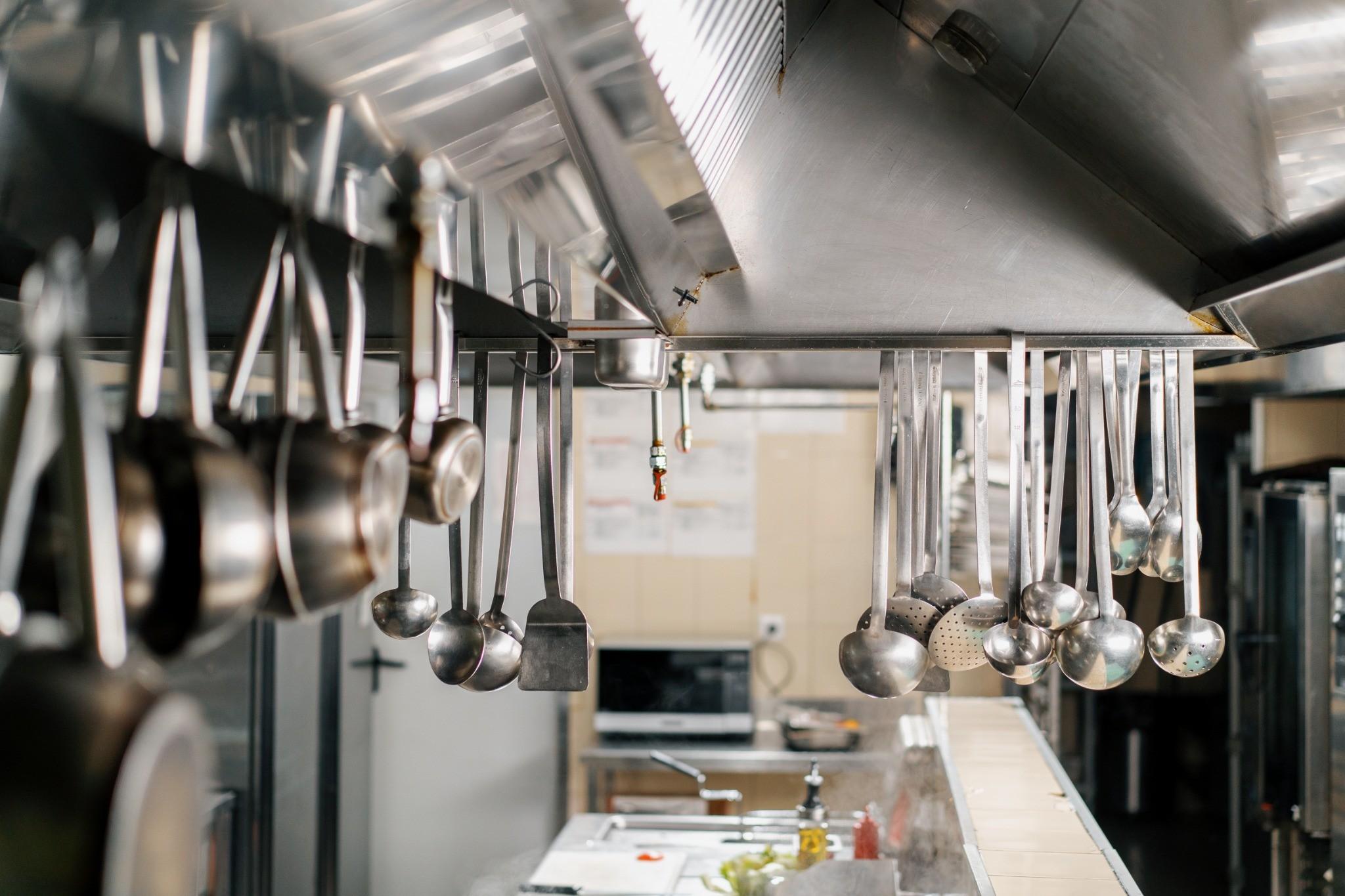
Commercial kitchens present some of the highest fire risks of any commercial occupancy. Open flames, high-temperature cooking equipment, grease-laden vapors, and combustible cooking oils create an environment where fires can develop and spread rapidly if proper fire protection systems are not in place.
Fortunately, modern commercial kitchen fire protection systems are specifically designed to detect, suppress, and contain these unique hazards. When combined with routine inspections, professional maintenance, grease duct cleaning, and compliance with National Fire Protection Association (NFPA) standards, these systems help restaurants, hotels, healthcare facilities, schools, entertainment venues, and institutional kitchens protect lives, property, and business operations.
Whether you’re designing a new commercial kitchen or maintaining an existing one, understanding grease duct fire protection requirements is essential for maintaining a safe and code-compliant facility.
Why Commercial Kitchens Require Specialized Fire Protection
Unlike most commercial occupancies, commercial kitchens combine multiple fire hazards into a relatively small space.
Common hazards include:
• Open flame cooking equipment
• High-temperature appliances
• Grease-laden vapors
• Flammable cooking oils
• Deep fryers
• Charbroilers
• Grills
• Commercial ranges
• Solid fuel cooking equipment
These hazards create conditions where fires can ignite quickly and spread through kitchen exhaust systems if not properly controlled.
How Grease Duct Fires Start
During normal cooking operations, grease vapors travel through the kitchen exhaust hood and into the ductwork.
As these vapors cool, grease accumulates on the interior surfaces of the duct.
Over time, excessive grease buildup can:
• Ignite from cooking flames
• Spread rapidly through the exhaust system
• Carry fire into concealed spaces
• Extend fire throughout the building
Because grease is highly combustible, even a small kitchen fire can become a major structural fire if grease ducts are not properly maintained.
What Is a Commercial Kitchen Fire Suppression System?
Commercial kitchen fire suppression systems are engineered specifically to protect cooking appliances and exhaust systems.
Unlike standard fire sprinkler systems, kitchen suppression systems are designed to rapidly suppress grease fires while minimizing the risk of re-ignition.
A typical kitchen fire suppression system protects:
• Cooking appliances
• Exhaust hoods
• Grease ducts
• Fryers
• Grills
• Ranges
• Charbroilers
• Broilers
Most systems also automatically shut down fuel and electrical supplies to cooking equipment once the system activates.
How Kitchen Fire Suppression Systems Work
When excessive heat is detected, the suppression system automatically activates.
The system typically:
• Detects elevated temperatures
• Releases a wet chemical suppression agent
• Covers cooking appliances
• Protects the exhaust hood
• Protects grease ducts
• Shuts off gas and electrical power
• Sounds an alarm
• Helps prevent fire re-ignition
The wet chemical agent rapidly cools burning cooking oils while creating a protective layer that helps prevent flare-ups.
Why Grease Duct Cleaning Is So Important
One of the leading causes of commercial kitchen fires is excessive grease accumulation inside exhaust systems.
Routine grease duct cleaning helps:
• Reduce fire hazards
• Improve ventilation
• Maintain proper airflow
• Increase equipment efficiency
• Improve indoor air quality
• Reduce odors
• Extend equipment life
• Support code compliance
Cleaning frequency depends on the volume and type of cooking performed within the facility.
Facilities with heavy grease-producing operations often require more frequent cleaning than kitchens with lighter cooking operations.
Understanding NFPA 96
NFPA 96, Standard for Ventilation Control and Fire Protection of Commercial Cooking Operations, establishes the requirements for commercial kitchen exhaust systems and fire protection.
The standard addresses topics including:
• Kitchen hood design
• Grease duct construction
• Fire suppression systems
• Inspection requirements
• Cleaning requirements
• Exhaust fan maintenance
• Fuel shutoffs
• Clearance requirements
Following NFPA 96 helps reduce fire risk while supporting compliance with local fire codes.
Additional Fire Protection Systems in Commercial Kitchens
Kitchen suppression systems are only one part of a comprehensive fire protection strategy.
Many commercial kitchens also require:
• Fire sprinkler systems
• Fire alarm systems
• Fire alarm monitoring
• Portable fire extinguishers
• Emergency lighting
• Exit signs
• Fire pumps (where applicable)
Together, these systems provide multiple layers of protection for both the kitchen and the rest of the facility.
Fire Extinguishers for Commercial Kitchens
Commercial kitchens require specialized portable fire extinguishers designed for cooking oil fires.
Class K fire extinguishers are specifically designed to suppress fires involving:
• Vegetable oils
• Animal fats
• Deep fryers
• Commercial cooking appliances
Using the wrong extinguisher on a grease fire can actually make the fire worse.
Facilities should ensure the correct extinguisher types are installed and inspected regularly.
Routine Kitchen Fire System Inspections
Commercial kitchen fire suppression systems require periodic inspection and maintenance to remain reliable.
Routine inspections typically include:
• Detection line inspection
• Nozzle inspection
• Agent cylinder verification
• Fusible link replacement
• Manual pull station testing
• Fuel shutoff verification
• Electrical shutdown testing
• System documentation
Regular inspections help ensure the system will activate properly during an emergency.
Common Kitchen Fire Protection Deficiencies
During inspections, technicians frequently identify issues that increase fire risk.
Common deficiencies include:
• Grease accumulation
• Blocked nozzles
• Missing nozzle caps
• Expired suppression agent
• Damaged fusible links
• Obstructed cooking equipment
• Missing Class K extinguishers
• Improper appliance placement
• Inoperative fuel shutoffs
Correcting these deficiencies promptly helps maintain code compliance and reduce fire hazards.
Industries That Require Commercial Kitchen Fire Protection
Kitchen fire suppression systems are commonly found in:
• Restaurants
• Hotels
• Hospitals
• Assisted living facilities
• Schools and universities
• Casinos
• Corporate cafeterias
• Stadiums
• Event venues
• Correctional facilities
Any facility operating commercial cooking equipment should evaluate its fire protection requirements carefully.
The Cost of Poor Kitchen Fire Protection
A kitchen fire can cause far more than physical damage.
Without proper fire protection, businesses may experience:
• Temporary closures
• Lost revenue
• Equipment replacement costs
• Water and smoke damage
• Insurance claims
• Regulatory penalties
• Business interruption
• Reputation damage
Routine maintenance and inspections are far less expensive than recovering from a major kitchen fire.
Choosing an Experienced Fire Protection Partner
Commercial kitchen fire protection requires specialized expertise.
An experienced fire protection provider can assist with:
• System design
• Installation
• Routine inspections
• Preventive maintenance
• System testing
• Emergency repairs
• Code compliance
• System upgrades
Working with qualified professionals helps ensure your kitchen remains protected while meeting applicable NFPA standards and local code requirements.
Protect Your Commercial Kitchen with a Complete Fire Protection Program
Commercial kitchens operate in one of the highest-risk fire environments found in any commercial facility. Properly maintained kitchen fire suppression systems, clean grease ducts, routine inspections, and compliance with NFPA 96 all play a critical role in protecting employees, customers, property, and business operations.
Whether you operate a restaurant, healthcare kitchen, school cafeteria, hotel, or institutional food service facility, we provide complete commercial kitchen fire protection services including system design, installation, inspections, testing, maintenance, repairs, and code compliance support. Our experienced team can help ensure your kitchen fire protection systems remain reliable, compliant, and ready to respond when they’re needed most.