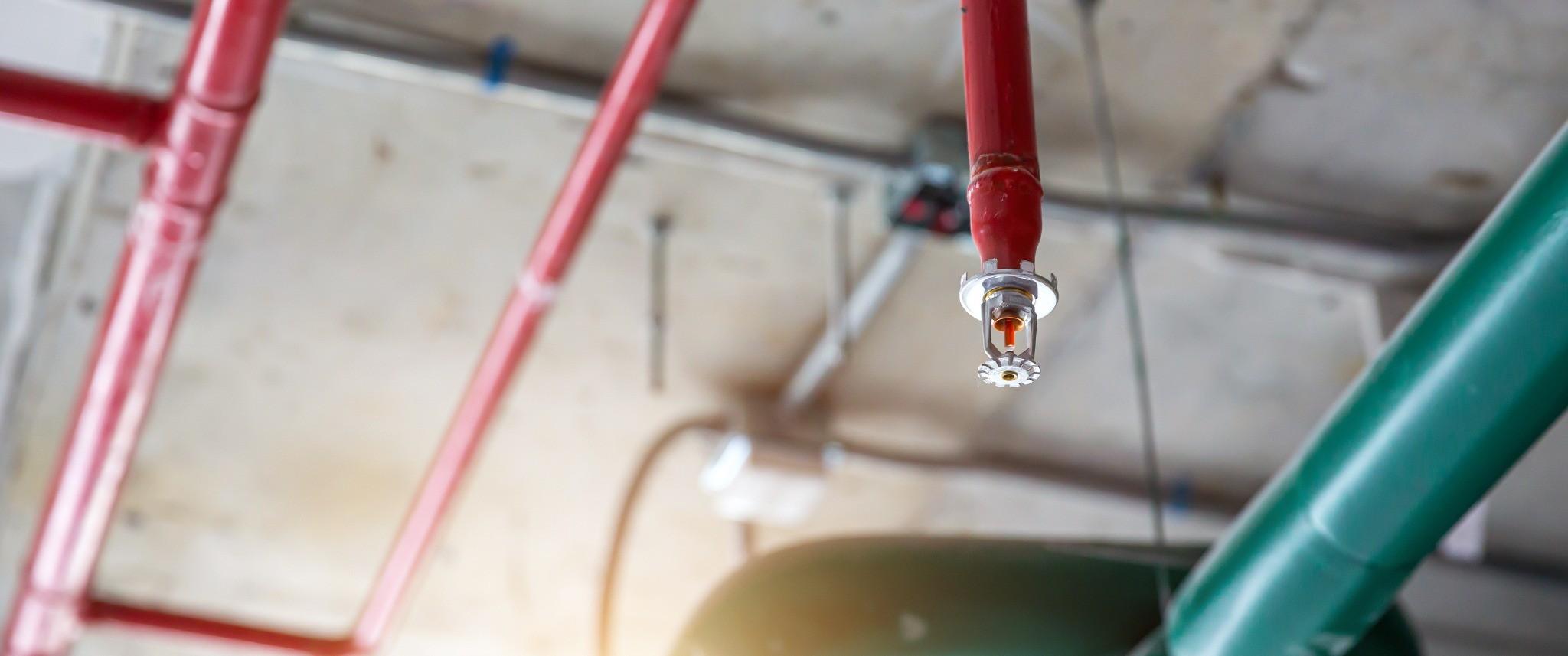
A leaking fire sprinkler system can quickly disrupt business operations, damage inventory, and create costly repairs if it isn’t addressed promptly. While automatic fire sprinkler systems are among the most reliable forms of commercial fire protection, they are mechanical systems that can occasionally experience leaks due to aging components, accidental damage, freezing temperatures, corrosion, or system failures.
Knowing how to respond when a sprinkler leak occurs can help minimize water damage, protect your property, and restore your fire protection system safely and efficiently. Just as importantly, understanding what caused the leak can help prevent similar problems in the future.
Whether you’re responsible for an office building, warehouse, manufacturing facility, healthcare campus, retail center, school, or apartment complex, having a response plan in place before an emergency occurs can significantly reduce downtime and repair costs.
Why Fire Sprinkler Systems Leak
Fire sprinkler systems are designed to remain pressurized and ready to respond at all times. While leaks are relatively uncommon, they can occur for a variety of reasons.
Common causes include:
• Corrosion inside sprinkler piping
• Frozen pipes
• Mechanical damage
• Aging sprinkler components
• Damaged sprinkler heads
• Loose fittings or threaded connections
• Accidental impact from forklifts or equipment
• Improper system modifications
• Excessive vibration
• High water pressure
Determining the root cause is essential before any permanent repairs are made.
Small Leak vs. Major Water Release
Not every sprinkler leak is the same. Understanding the severity of the situation helps determine the appropriate response.
Minor Leaks
Examples include:
• Small drips from fittings
• Slow valve leaks
• Minor seepage around sprinkler heads
While these leaks may appear insignificant, they should never be ignored. Even slow leaks can lead to corrosion, mold growth, damaged ceilings, and costly repairs over time.
Major Water Releases
Major emergencies may involve:
• Broken sprinkler heads
• Burst sprinkler piping
• Frozen pipe failures
• Mechanical damage from equipment
• Accidental sprinkler activation
These situations require immediate action to minimize property damage while maintaining life safety.
What to Do Immediately After Discovering a Leak
Responding quickly can significantly reduce water damage and business interruption.
Step 1: Protect Occupants
If water creates unsafe conditions such as slippery floors, electrical hazards, or structural concerns, secure the affected area and keep occupants away until conditions can be evaluated.
Safety should always remain the highest priority.
Step 2: Identify the Source of the Leak
If it is safe to do so, determine where the water is coming from.
Possible sources include:
• Sprinkler head
• Branch piping
• Main piping
• Control valve
• Fire pump room
• Mechanical room
Identifying the source helps emergency service technicians respond more efficiently.
Step 3: Contact Your Fire Protection Provider
A leaking fire sprinkler system should be evaluated by qualified fire protection professionals as soon as possible.
Emergency service technicians can:
• Locate the source of the leak
• Isolate the damaged section
• Make necessary repairs
• Restore system operation
• Verify code compliance
• Document the repair
Attempting temporary repairs without proper training can create additional problems and compromise system performance.
Step 4: Minimize Water Damage
While waiting for emergency service, take reasonable steps to protect valuable assets if it can be done safely.
Examples include:
• Moving inventory
• Covering equipment
• Relocating electronics
• Removing standing water
• Protecting important documents
Quick action can significantly reduce secondary damage.
Should You Shut Off the Fire Sprinkler System?
Many building owners immediately assume they should shut off the sprinkler system.
In most situations, this decision should only be made after carefully evaluating the risks.
Shutting down a sprinkler system removes an important layer of fire protection from the building.
Whenever possible:
• Limit impairments to the affected area.
• Follow established impairment procedures.
• Notify appropriate personnel.
• Restore protection as quickly as possible.
If a system impairment is necessary, fire watch procedures or temporary protection may also be required depending on the occupancy and applicable codes.
Common Causes of Commercial Sprinkler Leaks
Understanding why leaks occur helps reduce future emergencies.
Corrosion
Over time, corrosion can weaken sprinkler piping and fittings.
Facilities with older sprinkler systems should consider periodic internal inspections to identify deterioration before failures occur.
Freezing Temperatures
Water expands when it freezes.
Pipes located in unheated areas such as loading docks, parking garages, attics, and exterior walls are especially vulnerable to freeze damage.
Protective measures may include:
• Dry pipe systems
• Antifreeze systems (where permitted)
• Heat tracing
• Building insulation
• Maintaining adequate temperatures
Mechanical Damage
Forklifts, ladders, scissor lifts, storage racks, and construction activities frequently damage sprinkler piping and sprinkler heads.
Facilities should train employees to avoid contact with fire protection equipment and report damage immediately.
Aging Components
Like any mechanical system, sprinkler components eventually wear out.
Older facilities should periodically evaluate:
• Sprinkler heads
• Valves
• Piping
• Gaskets
• Fire department connections
Replacing aging components before failure helps reduce unexpected emergencies.
How Routine Inspections Prevent Emergencies
Regular inspection and maintenance remain the best defense against unexpected sprinkler leaks.
Routine inspections help identify:
• Corrosion
• Damaged sprinkler heads
• Loose fittings
• Valve issues
• Pressure abnormalities
• Physical damage
• Water supply problems
Addressing these issues early often prevents expensive emergency repairs.
NFPA 25 Inspection Requirements
NFPA 25 establishes inspection, testing, and maintenance requirements for water-based fire protection systems.
Routine services may include:
• Visual inspections
• Main drain testing
• Waterflow testing
• Valve inspections
• Fire pump testing
• Five-year obstruction investigations
• Internal pipe inspections
• Check valve inspections
Following these inspection schedules helps maintain system reliability while reducing the likelihood of unexpected failures.
Emergency Repairs vs. Permanent Repairs
Temporary repairs may restore service quickly, but they should not replace permanent corrective action.
A complete repair should include:
• Identifying the root cause
• Replacing damaged components
• Verifying system performance
• Conducting required testing
• Updating inspection records
• Restoring full code compliance
A comprehensive repair helps ensure the problem does not return.
Develop an Emergency Response Plan
Every commercial facility should have procedures for responding to fire protection system impairments.
An emergency plan should identify:
• Emergency contact numbers
• Fire protection contractors
• Building personnel responsibilities
• Valve locations
• Fire department contacts
• Monitoring provider information
• Restoration procedures
Planning ahead reduces confusion during an actual emergency and helps restore protection more quickly.
Protect Your Investment with Preventive Maintenance
Emergency sprinkler leaks are often preventable. Routine inspections, preventive maintenance, and prompt repairs help extend the life of your fire sprinkler system while reducing the likelihood of unexpected failures.
Whether you need emergency sprinkler repairs, routine inspections, system upgrades, or preventive maintenance, our experienced technicians are available to help keep your fire protection systems operating safely and reliably. We provide complete fire sprinkler inspections, testing, maintenance, repairs, emergency service, and system upgrades to help commercial facilities protect their people, property, and operations.