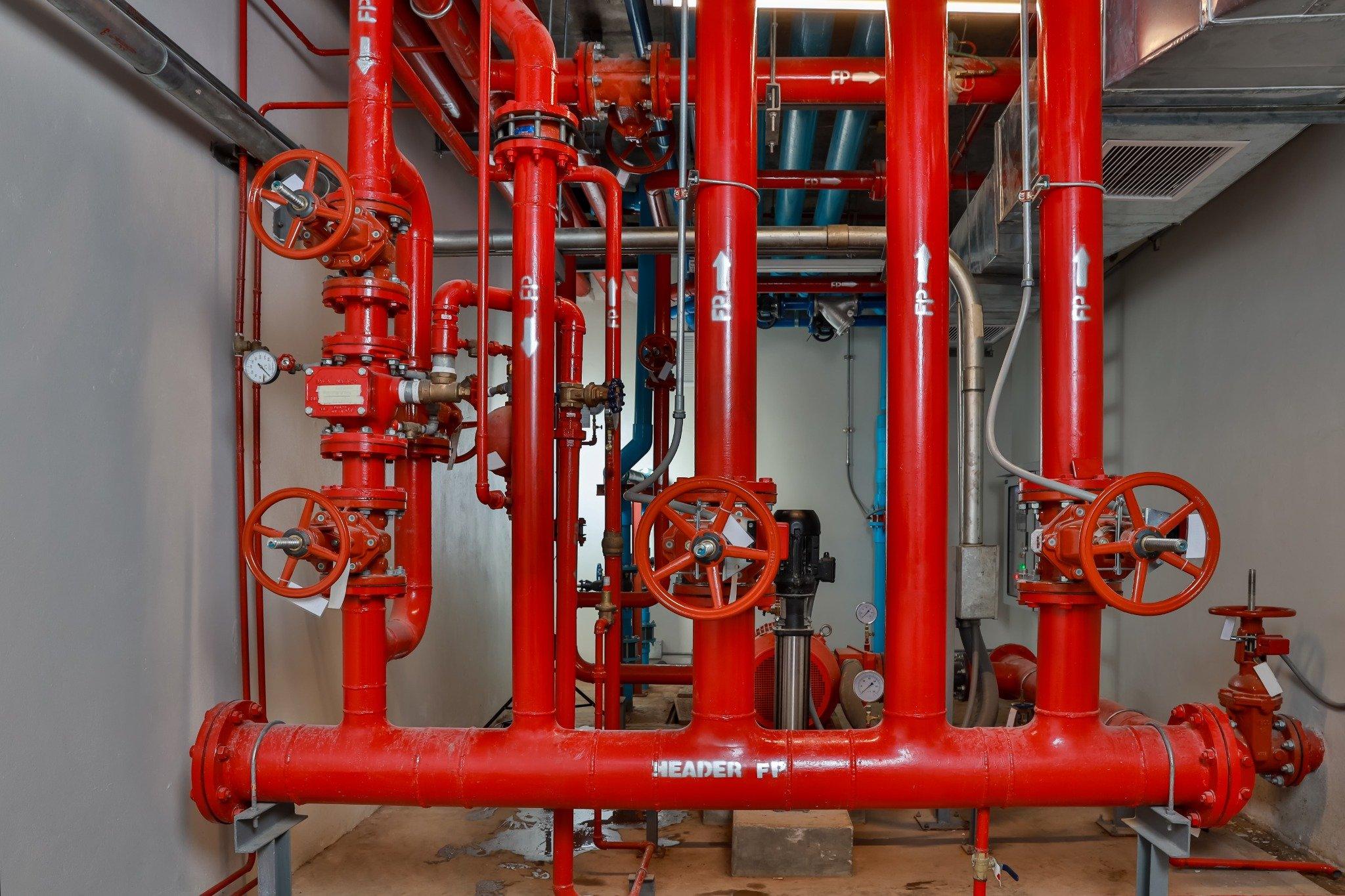
Choosing the right fire sprinkler system is one of the most important decisions a building owner, facility manager, architect, or contractor can make. While all fire sprinkler systems are designed to suppress fires and protect lives, no single system is ideal for every building. The correct solution depends on your occupancy, fire hazards, building construction, environmental conditions, and applicable fire codes.
Installing the wrong sprinkler system can lead to higher installation costs, unnecessary maintenance, reduced system performance, and code compliance issues. On the other hand, selecting the appropriate system provides reliable fire protection while supporting long-term operational efficiency.
This guide explains the four primary commercial fire sprinkler system types, where each is commonly used, and the factors that should be considered before making a decision.
Why Fire Sprinkler System Selection Matters
Every commercial building presents different fire protection challenges.
Factors influencing sprinkler system selection include:
• Occupancy type
• Building construction
• Indoor temperature
• Fire hazards
• Commodity storage
• Ceiling height
• Water supply
• Local building codes
• Insurance requirements
• Future expansion plans
A properly selected sprinkler system improves fire suppression performance while helping facilities remain compliant with applicable NFPA standards.
Type 1: Wet Pipe Fire Sprinkler Systems
Wet pipe sprinkler systems are the most common commercial fire sprinkler systems installed today.
In a wet pipe system, water remains inside the piping at all times. When sufficient heat activates an individual sprinkler head, water is discharged immediately onto the fire.
Advantages include:
• Fastest response time
• Simple design
• High reliability
• Lower installation costs
• Reduced maintenance
• Proven long-term performance
Common applications include:
• Office buildings
• Retail centers
• Schools
• Healthcare facilities
• Hotels
• Apartment buildings
• Government facilities
Wet pipe systems work best in buildings where interior temperatures remain above freezing throughout the year.
Type 2: Dry Pipe Fire Sprinkler Systems
Dry pipe systems are designed for environments where freezing temperatures could damage water-filled piping.
Instead of water, these systems contain pressurized air or nitrogen until a sprinkler head activates. Once activated, the air is released and water enters the piping before being discharged onto the fire.
Dry pipe systems are commonly installed in:
• Parking garages
• Loading docks
• Exterior canopies
• Cold storage facilities
• Unheated warehouses
• Freezer buildings
Although they require slightly more maintenance than wet pipe systems, dry pipe systems provide dependable freeze protection for cold environments.
Type 3: Pre-Action Fire Sprinkler Systems
Pre-action sprinkler systems combine fire detection technology with traditional sprinkler protection.
Unlike wet pipe systems, water does not enter the sprinkler piping until a fire detection system first confirms a fire condition.
This additional level of protection helps reduce the risk of accidental water discharge.
Pre-action systems are ideal for:
• Data centers
• Server rooms
• Telecommunications facilities
• Museums
• Libraries
• Archives
• Clean rooms
• Mission-critical facilities
These systems protect valuable assets where unintended water discharge could cause significant financial loss.
Type 4: Deluge Fire Sprinkler Systems
Deluge systems are designed for facilities with rapidly developing, high-hazard fires.
Unlike traditional sprinkler systems, deluge systems utilize open sprinkler nozzles.
When a separate detection system activates, water flows simultaneously through every open nozzle, delivering large volumes of water across the protected area.
Deluge systems are commonly used in:
• Aircraft hangars
• Chemical processing plants
• Oil and gas facilities
• Power generation plants
• Fuel storage areas
• Industrial processing facilities
Because of their specialized applications, deluge systems require careful engineering and design.
Additional Commercial Fire Sprinkler Systems
Although the four systems above represent the primary sprinkler categories, several specialized systems are commonly installed in commercial facilities.
ESFR Fire Sprinkler Systems
Early Suppression Fast Response (ESFR) systems are specifically designed for warehouses with high-piled storage.
These systems suppress fires quickly while reducing the need for in-rack sprinklers in many warehouse applications.
In-Rack Fire Sprinkler Systems
Installed directly inside warehouse storage racks, these systems provide additional protection for high-density storage and challenging commodities.
Quell Fire Sprinkler Systems
Quell systems utilize specialized sprinkler technology to protect cold storage warehouses and facilities storing expanded plastics and other high-challenge commodities.
Choosing the Right Sprinkler System
Selecting the right sprinkler system involves more than simply choosing between wet and dry systems.
Important considerations include:
Building Occupancy
Office buildings, hospitals, warehouses, industrial facilities, schools, hotels, and manufacturing plants all have different fire protection requirements.
Environmental Conditions
Buildings exposed to freezing temperatures require different solutions than climate-controlled office environments.
Fire Hazards
Flammable liquids, combustible dust, hazardous chemicals, commercial cooking operations, and high-value electronics often require specialized suppression strategies.
Storage Arrangements
Warehouse storage height, commodity classification, and rack configuration significantly influence sprinkler system design.
Water Supply
Available water pressure and flow determine whether additional equipment such as fire pumps may be required.
Future Building Expansion
Planning for future tenant improvements or facility growth can reduce future modification costs.
How Fire Sprinklers Work with Other Fire Protection Systems
Fire sprinkler systems perform best when integrated into a complete fire protection strategy.
Many commercial facilities combine sprinkler systems with:
• Fire Alarm Systems
• Fire Alarm Monitoring
• Fire Pumps
• Fire Extinguishers
• Special Hazard Fire Suppression Systems
• Kitchen Hood Fire Suppression Systems
• Backflow Preventers
• Emergency & Exit Lighting
• Security Systems
These integrated systems work together to detect fires, notify occupants, suppress the fire, and support emergency responders.
Routine Inspections Keep Sprinkler Systems Reliable
Installing the proper sprinkler system is only the beginning.
Routine inspection, testing, and maintenance help ensure reliable performance throughout the system’s service life.
Typical inspection services include:
• Visual inspections
• Main drain testing
• Waterflow testing
• Valve inspections
• Fire pump testing
• Five-year obstruction investigations
• Internal pipe inspections
• Check valve inspections
Preventive maintenance helps identify deficiencies before they affect system performance.
Applicable NFPA Standards
Commercial sprinkler systems are governed by nationally recognized fire protection standards.
Frequently referenced standards include:
• NFPA 13 – Installation of Sprinkler Systems
• NFPA 25 – Inspection, Testing, and Maintenance of Water-Based Fire Protection Systems
• NFPA 20 – Installation of Fire Pumps
Additional requirements may be established by state and local building codes, insurance carriers, and the local Authority Having Jurisdiction (AHJ).
Professional Fire Protection Design Makes the Difference
Every commercial building has unique fire protection needs.
A professional fire protection evaluation considers:
• Building layout
• Occupancy classification
• Fire hazards
• Water supply
• Code requirements
• Operational needs
• Future growth
Proper engineering ensures the selected sprinkler system provides dependable protection while supporting long-term compliance and operational efficiency.
Protect Your Building with the Right Fire Sprinkler System
Selecting the right commercial fire sprinkler system is one of the most important decisions you can make to protect your facility. Whether your building requires a wet pipe, dry pipe, pre-action, deluge, ESFR, or specialized suppression system, choosing the right solution helps protect occupants, reduce property damage, and support long-term business continuity.
We provide complete fire sprinkler engineering, design, installation, inspections, testing, maintenance, repairs, and emergency service for commercial facilities across virtually every industry. Our experienced team will evaluate your building, identify your fire protection needs, and recommend a sprinkler system designed to keep your facility safe, compliant, and prepared for the future.