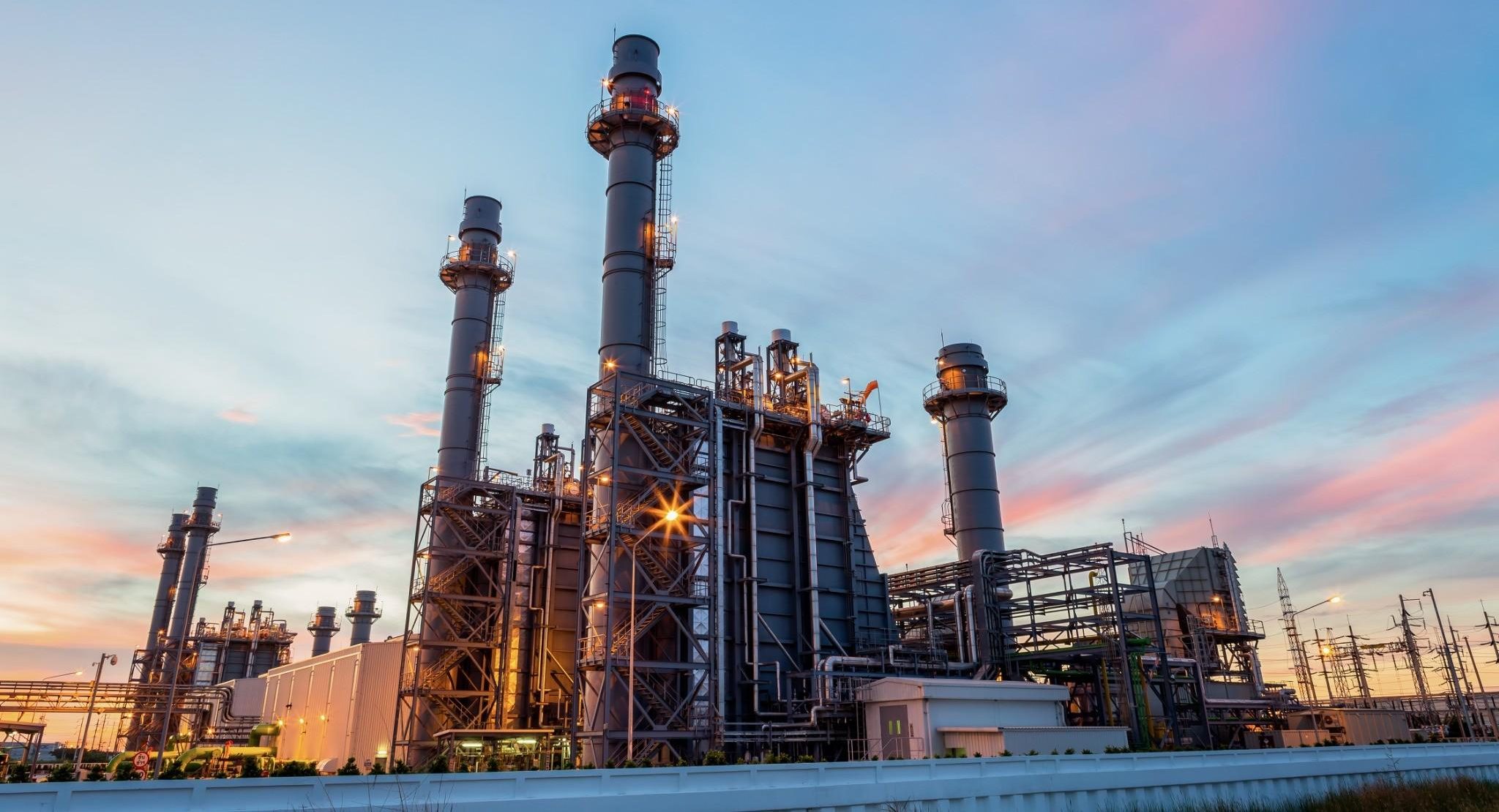
Industrial facilities face some of the most complex fire protection challenges of any commercial occupancy. Manufacturing operations, processing equipment, combustible materials, flammable liquids, high-voltage electrical systems, welding operations, and heavy machinery all contribute to an elevated fire risk that requires a comprehensive fire protection strategy.
While every facility is unique, one principle remains the same: preventing fires is far less costly than recovering from one. A well-designed fire protection program not only helps safeguard employees and assets, but also minimizes downtime, supports regulatory compliance, and protects business continuity.
Whether you manage a manufacturing plant, warehouse, processing facility, utility, or industrial campus, implementing proven fire prevention practices can significantly reduce risk while helping ensure your fire protection systems are ready to perform when they’re needed most.
Understanding Industrial Fire Risks
Unlike many commercial office buildings, industrial facilities often contain multiple ignition sources operating alongside combustible materials. These hazards increase both the likelihood of a fire and the speed at which it can spread if left uncontrolled.
Common industrial fire hazards include:
• Welding and cutting operations
• Hot work activities
• Flammable and combustible liquids
• Dust-producing manufacturing processes
• Electrical equipment
• Mechanical equipment
• Industrial ovens and furnaces
• Hydraulic fluids
• Lithium-ion battery storage
• High-piled storage
• Compressed gases
Every facility should begin with a comprehensive fire risk assessment that identifies potential ignition sources, fuel loads, and operational hazards.
Develop a Comprehensive Fire Protection Strategy
Industrial fire protection extends well beyond installing a sprinkler system. The most effective facilities implement multiple layers of protection that work together to detect, control, suppress, and monitor fire events.
A comprehensive fire protection strategy may include:
• Fire sprinkler systems
• Fire alarm systems
• Fire alarm monitoring
• Special hazard fire suppression
• Portable fire extinguishers
• Fire pumps
• Backflow preventers
• Emergency and exit lighting
• Security and access control
• Routine inspections and preventive maintenance
When these systems are properly integrated, they provide significantly greater protection than any individual system alone.
Choose the Right Fire Sprinkler System
Not every industrial facility requires the same type of sprinkler system.
Depending on your operations, one of several sprinkler system types may be appropriate.
Wet Pipe Fire Sprinkler Systems
Ideal for heated manufacturing facilities where freezing temperatures are not a concern.
Dry Pipe Fire Sprinkler Systems
Designed for unheated buildings, loading docks, parking structures, and facilities exposed to freezing conditions.
Pre-Action Fire Sprinkler Systems
Frequently used to protect sensitive manufacturing equipment, electrical rooms, and mission-critical operations where accidental water discharge must be minimized.
Deluge Fire Sprinkler Systems
Commonly installed in high-hazard industrial occupancies involving rapidly spreading fires, flammable liquids, or chemical processing.
ESFR and In-Rack Fire Sprinkler Systems
Often installed in industrial warehouses with high-piled storage to improve fire suppression performance.
Selecting the appropriate system depends on occupancy, commodities, building construction, and applicable code requirements.
Protect High-Hazard Processes
Many industrial operations involve hazards that require specialized fire suppression systems beyond traditional sprinklers.
Examples include:
• Paint booths
• Chemical processing
• Flammable liquid storage
• Turbine rooms
• Generator rooms
• Electrical substations
• Control rooms
• Server rooms
• Industrial machinery
These occupancies may require:
• Foam fire suppression systems
• CO₂ suppression systems
• FM-200 clean agent systems
• Water mist systems
• Vortex hybrid suppression systems
Protecting these high-value assets helps minimize equipment damage and production downtime.
Prioritize Preventive Maintenance
Fire protection systems require routine inspection, testing, and maintenance to remain effective.
Preventive maintenance helps identify deficiencies before they become costly failures while ensuring systems remain compliant with applicable NFPA standards.
Routine services often include:
• Fire sprinkler inspections
• Fire alarm inspections
• Fire pump testing
• Fire extinguisher inspections
• Backflow preventer testing
• Alarm monitoring verification
• Valve inspections
• Main drain testing
• Obstruction investigations
Maintaining a proactive inspection schedule helps reduce unexpected repairs while improving system reliability.
Maintain Good Housekeeping Practices
One of the simplest ways to reduce industrial fire risk is maintaining a clean and organized facility.
Good housekeeping practices include:
• Removing combustible waste regularly
• Cleaning combustible dust accumulations
• Properly storing flammable liquids
• Maintaining clear access to fire protection equipment
• Keeping electrical rooms free of storage
• Protecting sprinkler heads from damage
• Maintaining adequate clearance below sprinklers
Poor housekeeping is one of the most common contributors to preventable industrial fires.
Control Hot Work Activities
Welding, cutting, brazing, grinding, and similar operations account for many industrial fires every year.
Facilities should implement formal hot work procedures that include:
• Hot work permits
• Fire watches
• Removal of combustible materials
• Fire extinguisher availability
• Post-work monitoring
• Employee training
Following established hot work procedures significantly reduces fire risk during maintenance and construction activities.
Train Employees Regularly
Employees play an important role in preventing workplace fires.
Training should include:
• Fire hazard recognition
• Fire extinguisher use
• Emergency reporting procedures
• Evacuation routes
• Alarm response procedures
• Safe storage of hazardous materials
• Hot work safety
• Housekeeping expectations
Well-trained employees often identify hazards before they become serious incidents.
Understand Applicable Fire Codes
Industrial facilities must comply with multiple fire protection standards depending on occupancy and operations.
Frequently referenced standards include:
• NFPA 13 – Installation of Sprinkler Systems
• NFPA 25 – Inspection, Testing, and Maintenance of Water-Based Fire Protection Systems
• NFPA 72 – National Fire Alarm and Signaling Code
• NFPA 10 – Portable Fire Extinguishers
• NFPA 20 – Installation of Fire Pumps
• NFPA 30 – Flammable and Combustible Liquids Code
• NFPA 70 – National Electrical Code
• OSHA workplace safety regulations
Local Authorities Having Jurisdiction (AHJs) may also establish additional requirements.
Fire Protection Is an Ongoing Process
Industrial operations change over time. New production lines, equipment upgrades, facility expansions, storage changes, and process modifications can all affect fire protection requirements.
Regular evaluations help determine whether existing fire protection systems continue to provide adequate protection as operations evolve.
Facilities should periodically review:
• Building occupancy
• Commodity classifications
• Storage arrangements
• Production processes
• Fire protection system performance
• Inspection records
• Maintenance history
Keeping fire protection aligned with operational changes helps reduce risk while maintaining compliance.
Protect Your Facility with a Proactive Fire Protection Program
Industrial facilities represent significant investments in people, equipment, inventory, and operations. A proactive fire prevention strategy helps reduce the likelihood of fire while ensuring your fire protection systems are prepared to respond when needed.
Whether you operate a manufacturing facility, industrial plant, warehouse, or processing operation, we provide comprehensive fire protection services including engineering, design, installation, inspections, testing, maintenance, monitoring, and emergency service. Our experienced team can help you develop a customized fire protection strategy that supports your operations, protects your assets, and helps keep your facility compliant with applicable codes and standards.