Fire Protection Services for Industrial Facilities
Industrial Fire Protection Systems, Inspections & Compliance Services
Specialized Fire Protection for Industrial Facilities
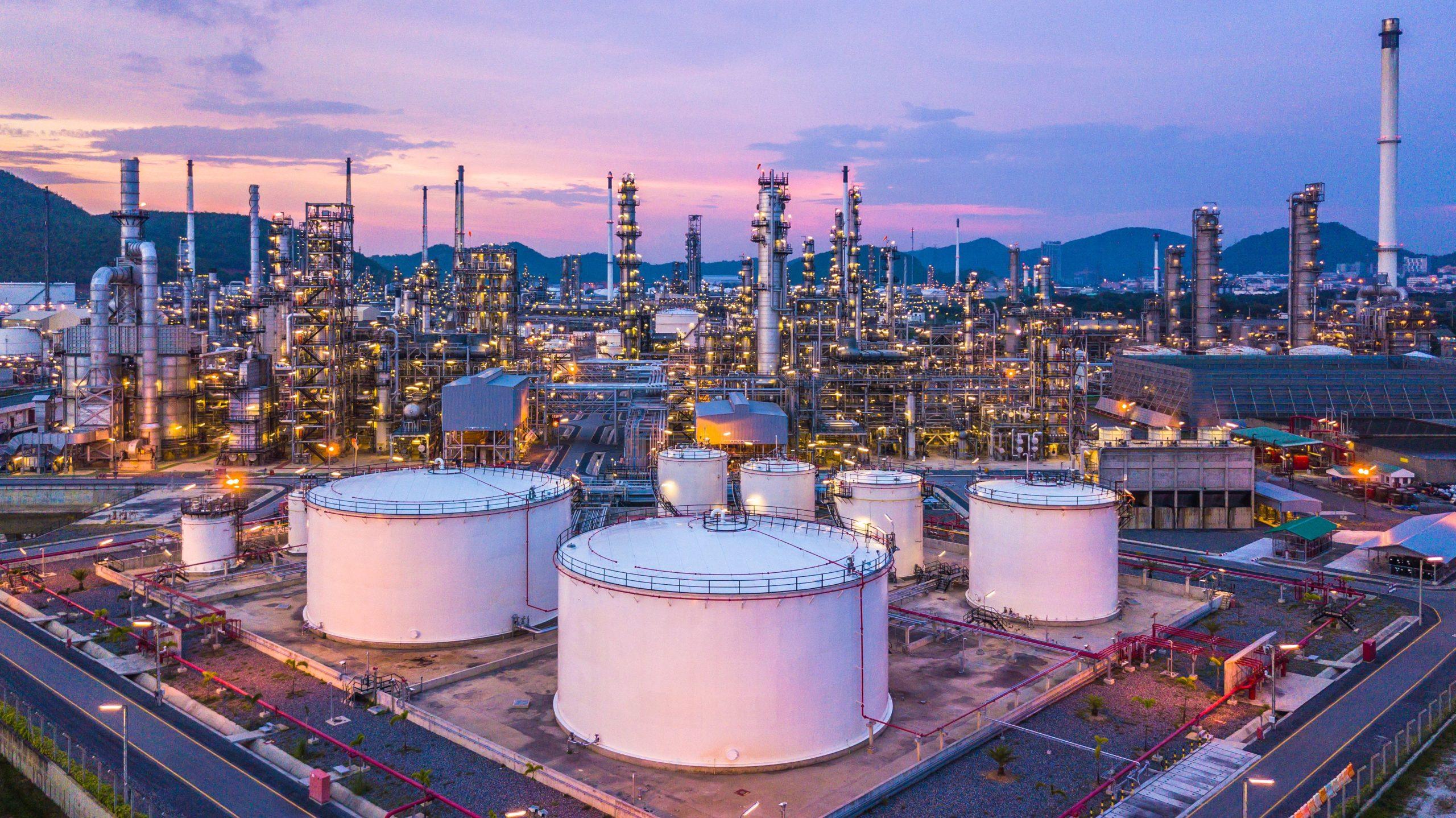
Industrial facilities present some of the most complex fire protection challenges due to heavy equipment, hazardous processes, combustible materials, flammable liquids, high-voltage electrical systems, and around-the-clock operations. Whether operating a processing plant, utility facility, mining operation, chemical plant, fabrication shop, or heavy industrial campus, protecting personnel, critical infrastructure, and production assets requires a comprehensive fire protection strategy.
Industrial fires can result in significant property damage, extended production downtime, environmental impacts, regulatory penalties, and serious life safety risks. Our team provides complete fire protection solutions for industrial facilities, including engineering, design, installation, inspections, testing, maintenance, repairs, monitoring, and specialized suppression systems designed for high-hazard occupancies.
Common Fire Hazards in Industrial Facilities
Industrial environments often contain multiple ignition sources combined with combustible or hazardous materials that increase fire risk.
Common hazards include:
- High-voltage electrical equipment
- Industrial machinery
- Hydraulic systems
- Combustible dust
- Flammable liquids
- Compressed gases
- Chemical storage
- Welding and cutting operations
- Conveyor systems
- Industrial ovens and furnaces
- Battery charging stations
- Electrical switchgear
- Generator systems
- Transformer rooms
- Mechanical equipment
Each industrial operation presents unique hazards that should be evaluated when designing and maintaining fire protection systems.
Fire Protection Systems Commonly Used in Industrial Facilities
Industrial occupancies often require multiple integrated fire protection systems based on facility operations and hazard classifications.
Wet Pipe Fire Sprinkler Systems
Wet pipe sprinkler systems provide automatic suppression for conditioned production areas, offices, warehouses, and support facilities.
These systems remain the most common water-based suppression solution for industrial buildings.
Dry Pipe Fire Sprinkler Systems
Dry pipe systems are frequently installed in:
- Exterior process areas
- Loading docks
- Unheated storage buildings
- Utility structures
- Cold weather process facilities
These systems provide freeze protection while maintaining automatic fire suppression capabilities.
Deluge Fire Sprinkler Systems
Deluge systems are commonly utilized for high-hazard industrial processes requiring rapid water application across large hazard areas.
Typical applications include:
- Transformer protection
- Conveyor systems
- Chemical processing
- Fuel handling equipment
- Turbine protection
- Industrial machinery
Foam Fire Suppression Systems
Foam systems provide specialized protection for facilities handling flammable liquids and hydrocarbon fuels.
Common applications include:
- Fuel storage
- Chemical processing
- Solvent storage
- Loading terminals
- Paint operations
- Tank farms
CO₂ Fire Suppression Systems
Carbon dioxide suppression systems are commonly used to protect enclosed industrial equipment where rapid suppression is required without water damage.
Applications include:
- Turbine enclosures
- Industrial machinery
- Electrical equipment
- Generator rooms
- Manufacturing equipment
Clean Agent Fire Suppression Systems
Sensitive industrial control systems and electrical equipment may be protected using clean agent suppression systems that leave no residue after discharge.
Applications include:
- Control rooms
- Electrical switchgear
- Server rooms
- Communications equipment
- Automation systems
Fire Alarm Systems
Industrial fire alarm systems provide early detection and emergency notification throughout complex facilities.
Systems may include:
- Smoke detection
- Heat detection
- Flame detection
- Gas detection integration
- Beam detection
- Voice evacuation
- Emergency communications
- Process shutdown integration
Fire Alarm Monitoring
Monitoring systems provide 24/7 supervision of alarm conditions and communication pathways, ensuring emergency notifications occur even during unattended operations.
Fire Pumps
Large industrial campuses often require dedicated fire pumps to maintain adequate water supply for suppression systems protecting extensive facilities.
Industrial Fire Protection Inspection Requirements
Routine inspection and maintenance programs help ensure fire protection systems remain operational while minimizing unexpected downtime.
Inspection programs often include:
- Fire sprinkler inspections
- Fire alarm inspections
- CO₂ system inspections
- Backflow preventer testing
- Monitoring communication testing
- Fire extinguisher inspections
- Foam system inspections
- Fire pump testing
- Waterflow testing
- Main drain testing
- Clean agent inspections
- Emergency lighting inspections
Preventive maintenance programs help identify deficiencies before they affect operations or compliance.
Applicable NFPA Standards for Industrial Facilities
Industrial occupancies are often governed by numerous NFPA standards depending on facility operations and hazards.
Frequently referenced standards include:
- NFPA 13 — Installation of Sprinkler Systems
- NFPA 25 — Inspection, Testing & Maintenance of Water-Based Fire Protection Systems
- NFPA 72 — National Fire Alarm and Signaling Code
- NFPA 10 — Portable Fire Extinguishers
- NFPA 20 — Installation of Fire Pumps
- NFPA 11 — Low-, Medium-, and High-Expansion Foam Systems
- NFPA 12 — Carbon Dioxide Extinguishing Systems
- NFPA 30 — Flammable and Combustible Liquids Code
- NFPA 70 — National Electrical Code
- NFPA 70E — Electrical Safety in the Workplace
- NFPA 101 — Life Safety Code
- NFPA 652 — Fundamentals of Combustible Dust
Additional standards may apply depending on industry-specific processes and hazardous materials.
Authorities Having Jurisdiction (AHJs)
Industrial facilities often coordinate with multiple regulatory agencies and authorities including:
- Local Fire Marshal
- State Fire Marshal
- OSHA
- Environmental Protection Agencies
- Building Department
- Insurance Carrier Representatives
- Municipal Water Authorities
- Electrical Inspectors
- Local Code Officials
Facilities that process hazardous materials may also be subject to additional federal and state regulations.
Fire Protection Best Practices for Industrial Facilities
Industrial operations change frequently as equipment, production lines, and facility layouts evolve.
Best practices include:
- Perform routine inspections and testing
- Maintain complete compliance documentation
- Conduct hazard assessments after process changes
- Test fire pumps and alarms regularly
- Inspect suppression systems after facility modifications
- Maintain sprinkler clearance around equipment
- Monitor combustible dust accumulation
- Verify monitoring communication pathways
- Address deficiencies promptly
- Review fire protection systems during capital improvement projects
Proactive fire protection management helps reduce downtime while supporting regulatory compliance and employee safety.
Risks of Ignoring Fire Protection Requirements
Industrial facilities face significant risks when required inspections and maintenance are delayed or ignored.
Potential consequences include:
- Production shutdowns
- Equipment damage
- Environmental impacts
- OSHA citations
- Regulatory penalties
- Insurance claim complications
- Increased liability exposure
- Property loss
- Business interruption
- Employee injuries
Maintaining compliant fire protection systems helps protect both personnel and long-term operational continuity.
Why Integrated Fire Protection Matters for Industrial Facilities
Industrial occupancies depend on multiple fire protection systems working together.
- Fire alarms detect emergencies.
- Monitoring systems transmit alarm signals.
- Sprinklers suppress developing fires.
- Foam systems protect flammable liquid hazards.
- Clean agent systems safeguard critical equipment.
- Fire pumps provide water supply.
- Special hazard systems protect unique industrial processes.
When properly integrated and maintained, these systems provide a comprehensive fire protection strategy that supports life safety and business continuity.
Frequently Asked Questions
What fire protection systems are commonly used in industrial facilities?
Industrial facilities often utilize fire sprinklers, fire alarms, foam systems, clean agent systems, CO₂ suppression systems, fire pumps, and monitoring systems depending on operational hazards.
How often should industrial fire protection systems be inspected?
Inspection frequencies vary by system type but generally follow NFPA requirements for sprinkler systems, alarms, suppression systems, fire pumps, and extinguishers.
Why do industrial facilities use deluge systems?
Deluge systems provide rapid water application for high-hazard industrial operations where fires can spread quickly or involve flammable liquids.
What is combustible dust and why is it important?
Certain industrial processes generate combustible dust that can create serious fire and explosion hazards if not properly controlled.
Do industrial facilities require fire alarm monitoring?
Many industrial occupancies utilize 24/7 monitoring to ensure alarm signals are received and acted upon immediately, even during unattended operations.
Can facility expansions affect fire protection requirements?
Yes. Equipment additions, production changes, building expansions, and occupancy modifications often require updates to fire protection systems.
What are the most common industrial fire protection deficiencies?
Common deficiencies include impaired sprinkler systems, blocked fire protection equipment, outdated alarms, failed fire pumps, damaged suppression systems, and incomplete inspection records.
Can one provider manage all industrial fire protection systems?
Yes. Coordinating inspections, testing, maintenance, monitoring, repairs, and specialized suppression systems through one provider can simplify compliance while improving overall facility protection.
Comprehensive Fire Protection for Industrial Operations
Industrial facilities require specialized fire protection strategies that address complex hazards while supporting safe and continuous operations. Through engineering, inspections, testing, maintenance, monitoring, repairs, and specialized suppression technologies, we help industrial organizations protect employees, facilities, equipment, and production processes with reliable fire protection solutions designed for demanding environments.
Request A Quote
VFPG News
- Commercial Fire Protection Systems: The Complete Guide to Protecting Your Business
- The Ultimate Guide to Commercial Fire Code Compliance: NFPA Standards, Inspections, and Staying Ahead of Changing Regulations
- The Ultimate Guide to Commercial Fire Alarm Systems: Design, Code Requirements, Wireless Technology, Warranties, and Multi-Building Protection
- Commercial Fire Sprinkler Maintenance: The Complete Guide to Inspections, Repairs, Corrosion Prevention, and Long-Term Reliability
- Commercial Fire Alarm Inspections: The Complete Guide to Inspection Frequencies, Testing Requirements, and Code Compliance
- Commercial Fire Inspections: The Complete Guide to Code Compliance, Safety, and Protecting Your Business
- Why Does Your Commercial Fire Alarm Keep Going Off? Common Causes and How to Fix Them
- The 5 Types of Commercial Fire Extinguishers: Which One Does Your Business Need?
- How Fire Sprinkler Systems Minimize Fire Damage in Commercial Buildings
- High-Rise Fire Protection Systems: Essential Life Safety Solutions for Tall Buildings
VFPG Companies