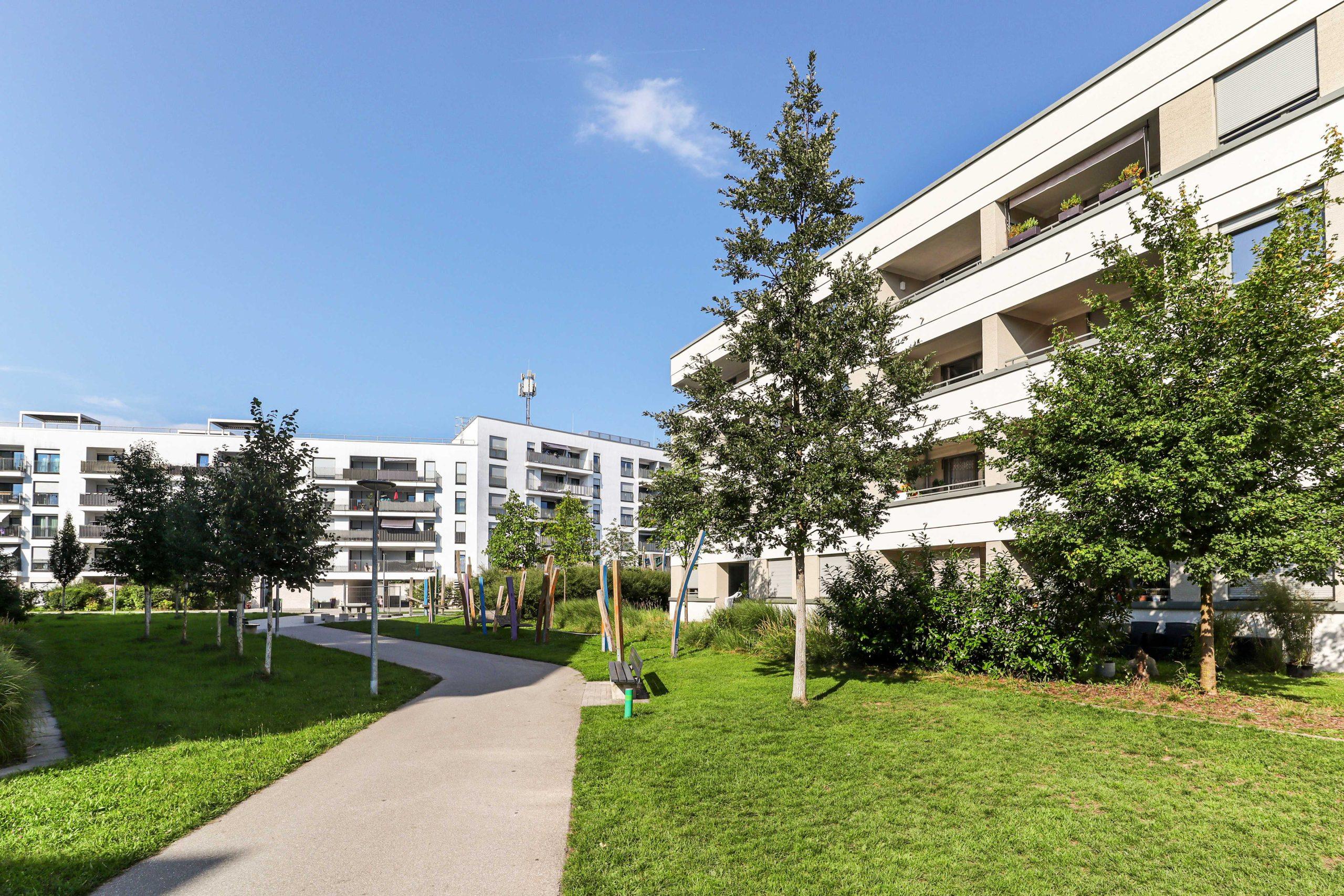
Fire Protection Services for Property Management Companies
Property Management Fire Protection Systems, Inspections & Compliance Services
Fire Protection Solutions for Commercial Property Management
Property managers are responsible for more than maintaining buildings—they are responsible for protecting tenants, visitors, assets, and property owners from life safety risks while maintaining compliance with local, state, and national fire codes. Whether managing office buildings, apartment communities, retail centers, mixed-use developments, healthcare campuses, or industrial portfolios, maintaining reliable fire protection systems is critical to reducing risk and avoiding costly disruptions.
Managing multiple vendors, inspection schedules, and compliance requirements across numerous properties can quickly become overwhelming. Our team provides comprehensive fire protection services for property management companies, delivering inspections, testing, maintenance, monitoring, repairs, installations, and compliance support through a single trusted partner.
Common Fire Risks for Managed Properties
Every commercial property presents unique fire protection challenges depending on occupancy type, building age, tenant use, and installed fire protection systems.
Common fire risks include:
- Electrical failures
- Mechanical equipment rooms
- Commercial tenant improvements
- Vacant tenant spaces
- Cooking operations
- Parking garages
- Storage rooms
- Trash collection areas
- Rooftop mechanical equipment
- Loading docks
- Elevator equipment rooms
- Lithium-ion battery storage
- Tenant modifications affecting fire protection systems
As tenants change and buildings evolve, fire protection systems often require modifications and updated inspections to remain compliant.
Fire Protection Systems Commonly Used in Managed Properties
Property managers often oversee multiple fire protection systems throughout a facility or property portfolio.
Wet Pipe Fire Sprinkler Systems
Wet pipe sprinkler systems provide automatic fire suppression for conditioned office buildings, apartments, retail centers, and commercial occupancies.
These remain the most common sprinkler systems found in managed properties.
Dry Pipe Fire Sprinkler Systems
Dry pipe systems are commonly installed in:
- Parking structures
- Exterior canopies
- Unheated loading docks
- Mechanical penthouses
- Cold weather utility spaces
These systems help prevent freezing while maintaining automatic fire protection.
Fire Alarm Systems
Fire alarm systems provide early detection, occupant notification, and emergency communications throughout commercial buildings.
Common components include:
- Smoke detectors
- Heat detectors
- Pull stations
- Horns and strobes
- Voice evacuation systems
- Elevator recall
- Emergency communication systems
Fire Alarm Monitoring
24/7 monitoring services help ensure emergency alarm signals are transmitted quickly to monitoring centers regardless of building occupancy.
Monitoring provides additional protection during evenings, weekends, holidays, and vacant building conditions.
Fire Pumps
High-rise buildings and larger commercial facilities often require fire pumps to maintain adequate sprinkler system pressure throughout the building.
Backflow Prevention Systems
Backflow prevention devices help protect potable water supplies while supporting fire sprinkler system operation and municipal water requirements.
Kitchen Hood Fire Suppression Systems
Restaurants, cafeterias, food courts, and commercial kitchens within managed properties often require wet chemical suppression systems and semi-annual inspections.
Emergency & Exit Lighting
Emergency lighting systems help occupants safely evacuate during power outages or emergency situations.
Fire Extinguishers
Portable fire extinguishers provide immediate response capabilities and require routine inspections and maintenance throughout commercial properties.
Property Management Fire Protection Inspection Requirements
Property managers are responsible for maintaining inspection schedules across multiple fire protection systems and occupancies.
Typical inspection programs include:
- Fire sprinkler inspections
- Fire alarm inspections
- Fire extinguisher inspections
- Backflow preventer testing
- Kitchen hood inspections
- Monitoring communication testing
- Standpipe inspections
Maintaining organized inspection schedules and documentation helps simplify compliance while reducing liability.
Applicable NFPA Standards for Property Management
Managed properties often fall under multiple NFPA standards depending on occupancy type and installed systems.
Frequently referenced standards include:
- NFPA 13 — Installation of Sprinkler Systems
- NFPA 25 — Inspection, Testing & Maintenance of Water-Based Fire Protection Systems
- NFPA 72 — National Fire Alarm and Signaling Code
- NFPA 10 — Portable Fire Extinguishers
- NFPA 20 — Installation of Fire Pumps
- NFPA 101 — Life Safety Code
- NFPA 80 — Fire Doors and Opening Protectives
- NFPA 96 — Commercial Kitchen Fire Protection (where applicable)
Local jurisdictions may impose additional inspection and maintenance requirements.
Authorities Having Jurisdiction (AHJs)
Property managers frequently coordinate with multiple regulatory agencies including:
- Local Fire Marshal
- Building Department
- Municipal Code Enforcement
- Insurance Carrier Representatives
- Local Water Authorities
- State Fire Marshal Offices
- Elevator Inspectors
- Local AHJs
Maintaining complete inspection documentation helps facilitate audits and regulatory inspections.
Fire Protection Best Practices for Property Managers
Managing fire protection across multiple buildings requires organization and proactive planning.
Best practices include:
- Maintain centralized inspection records
- Coordinate annual inspections across properties
- Correct deficiencies promptly
- Test monitoring systems regularly
- Review fire protection systems after tenant improvements
- Maintain clear sprinkler head clearance
- Verify emergency lighting operation
- Keep fire exits unobstructed
- Coordinate fire alarm testing with tenants
- Schedule preventive maintenance throughout the year
A proactive approach helps reduce emergency repairs and unexpected compliance issues.
Risks of Ignoring Fire Protection Requirements
Deferred inspections or maintenance can create significant operational and financial risks for property owners and managers.
Potential consequences include:
- Failed fire inspections
- Insurance claim complications
- Increased liability exposure
- Regulatory penalties
- Tenant complaints
- Occupancy restrictions
- Building code violations
- Increased repair costs
- Business interruption
- Property damage
Routine inspections and maintenance help reduce these risks while supporting tenant safety and regulatory compliance.
Why Consolidating Fire Protection Services Makes Sense
Many property managers coordinate multiple vendors for sprinklers, alarms, extinguishers, monitoring, backflows, fire pumps, and emergency lighting.
Working with one fire protection provider helps simplify:
- Inspection scheduling
- Compliance reporting
- Deficiency tracking
- Emergency repairs
- Preventive maintenance
- Documentation management
- Budget planning
- Multi-property coordination
A coordinated fire protection strategy can improve efficiency while reducing administrative workload across an entire property portfolio.
Frequently Asked Questions
What fire protection systems are typically required in commercial buildings?
Most commercial properties utilize fire sprinklers, fire alarms, extinguishers, emergency lighting, monitoring systems, and backflow prevention devices depending on occupancy and code requirements.
How often should commercial fire sprinkler systems be inspected?
Inspection frequencies are established by NFPA 25 and vary by component, with many systems requiring monthly, quarterly, annual, and periodic testing.
Are property managers responsible for fire protection compliance?
Property managers are often responsible for coordinating inspections, maintenance, documentation, and deficiency corrections to maintain code compliance.
What happens if a property fails a fire inspection?
Facilities may receive deficiency notices, corrective action requirements, fines, occupancy restrictions, or additional enforcement actions depending on the severity of violations.
Do apartment buildings require fire alarm inspections?
Many multifamily and mixed-use properties require routine fire alarm inspections and testing to maintain life safety compliance.
Why is fire alarm monitoring important for managed properties?
Monitoring provides continuous supervision of alarm systems and helps ensure emergency signals are transmitted regardless of building occupancy.
Can tenant improvements impact fire protection systems?
Yes. Renovations, occupancy changes, and tenant modifications often require updates to sprinkler systems, alarms, and other fire protection equipment.
Can one company manage fire protection for multiple properties?
Yes. Consolidating inspections, testing, maintenance, monitoring, and repairs under one provider can simplify compliance management across an entire property portfolio.
Comprehensive Fire Protection for Property Management
Managing fire protection across multiple commercial properties requires expertise, coordination, and proactive planning. From fire sprinkler inspections and fire alarm testing to monitoring, backflow testing, emergency repairs, and compliance support, we help property managers simplify life safety management while protecting tenants, assets, and long-term property value.
Request A Quote
VFPG News
- Commercial Fire Protection Systems: The Complete Guide to Protecting Your Business
- The Ultimate Guide to Commercial Fire Code Compliance: NFPA Standards, Inspections, and Staying Ahead of Changing Regulations
- The Ultimate Guide to Commercial Fire Alarm Systems: Design, Code Requirements, Wireless Technology, Warranties, and Multi-Building Protection
- Commercial Fire Sprinkler Maintenance: The Complete Guide to Inspections, Repairs, Corrosion Prevention, and Long-Term Reliability
- Commercial Fire Alarm Inspections: The Complete Guide to Inspection Frequencies, Testing Requirements, and Code Compliance
- Commercial Fire Inspections: The Complete Guide to Code Compliance, Safety, and Protecting Your Business
- Why Does Your Commercial Fire Alarm Keep Going Off? Common Causes and How to Fix Them
- The 5 Types of Commercial Fire Extinguishers: Which One Does Your Business Need?
- How Fire Sprinkler Systems Minimize Fire Damage in Commercial Buildings
- High-Rise Fire Protection Systems: Essential Life Safety Solutions for Tall Buildings
VFPG Companies