Fire Protection Services for Manufacturing Facilities
Manufacturing Fire Protection Systems, Inspections & Compliance Services
Protecting Manufacturing Facilities from Complex Fire Risks
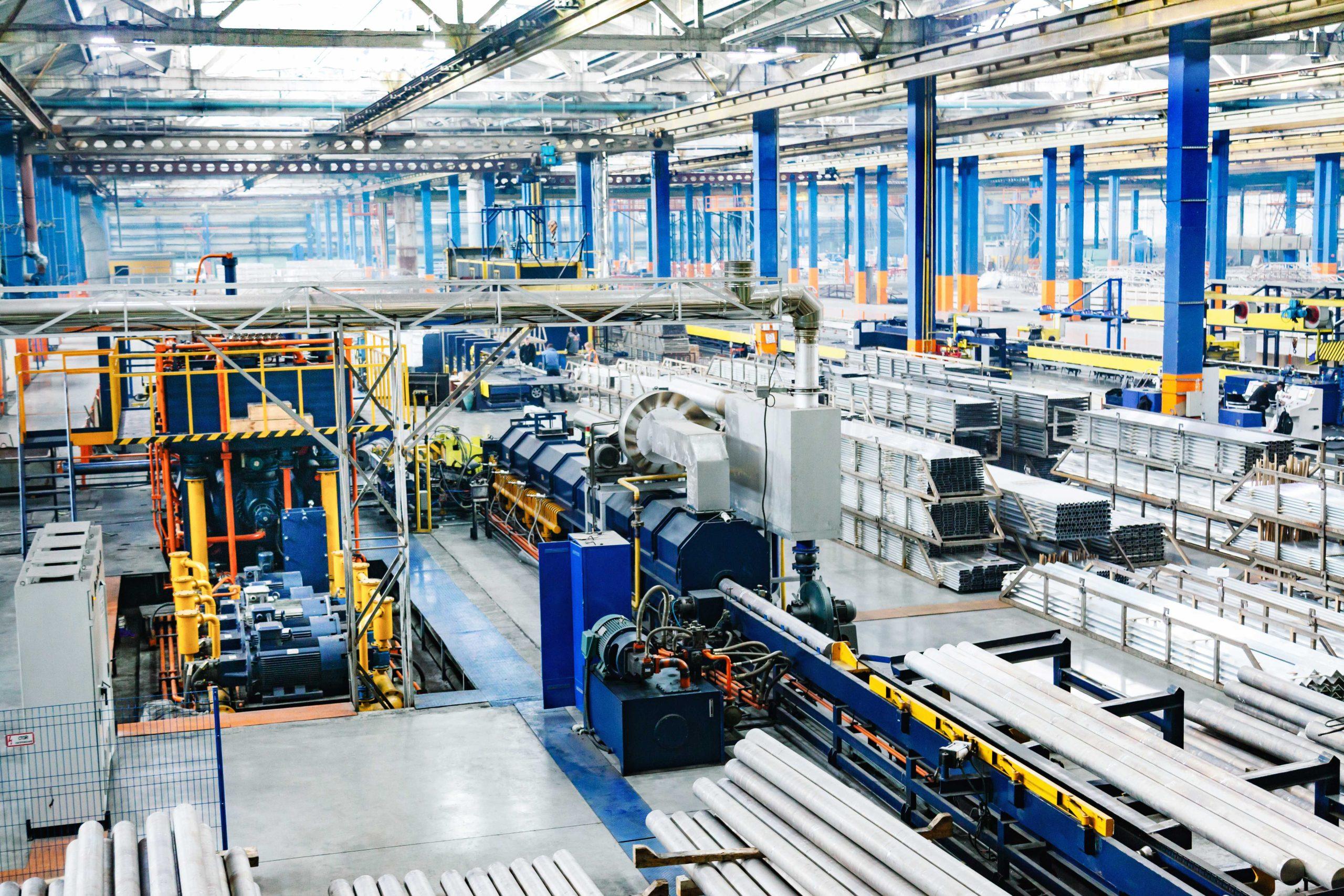
Manufacturing facilities operate in dynamic environments where machinery, electrical equipment, combustible materials, hazardous processes, and continuous production create unique fire protection challenges. Whether producing automotive components, consumer goods, food products, pharmaceuticals, plastics, metals, or industrial equipment, manufacturers depend on reliable fire protection systems to protect employees, equipment, inventory, and uninterrupted operations.
Even a small fire can halt production for weeks, disrupt supply chains, damage expensive machinery, and result in significant financial losses. Our team provides comprehensive fire protection solutions for manufacturing facilities, including engineering, design, installation, inspections, testing, maintenance, repairs, monitoring, and compliance support to help facilities remain protected and operational.
Common Fire Hazards in Manufacturing Facilities
Manufacturing environments often contain a combination of ignition sources and combustible materials that increase fire risk.
Common hazards include:
- Industrial machinery
- Electrical equipment
- Welding operations
- Flammable liquids
- Hydraulic fluids
- Dust accumulation
- Combustible metals
- Chemical processing
- Paint booths
- Industrial ovens
- Conveyor systems
- Storage of raw materials
- Packaging materials
- Battery charging stations
- Mechanical equipment
The type of manufacturing operation often determines the fire protection systems and inspection requirements needed to maintain compliance.
Fire Protection Systems Commonly Used in Manufacturing
Manufacturing facilities typically utilize multiple fire protection systems designed around specific hazards and operational processes.
Wet Pipe Fire Sprinkler Systems
Wet pipe sprinkler systems provide automatic suppression for conditioned production areas, offices, warehouses, and assembly operations.
These systems remain the most common fire protection solution in manufacturing occupancies.
Dry Pipe Fire Sprinkler Systems
Dry pipe systems are commonly installed in:
- Exterior loading docks
- Unheated warehouses
- Cold process areas
- Parking structures
- Exterior storage buildings
These systems provide freeze protection while maintaining automatic fire suppression capabilities.
Deluge Fire Sprinkler Systems
Facilities containing high-hazard operations may utilize deluge systems to provide rapid water discharge over large hazard areas.
Typical applications include:
- Chemical processing
- Industrial machinery
- Transformer protection
- Conveyor systems
- Fuel handling operations
Foam Fire Suppression Systems
Foam suppression systems may be utilized where flammable liquid hazards exist, including:
- Paint operations
- Chemical storage
- Fuel handling
- Solvent processing
- Mixing operations
Clean Agent Fire Suppression Systems
Sensitive manufacturing equipment and control systems may be protected using clean agent suppression technologies that minimize equipment damage.
Applications include:
- Electrical rooms
- Control rooms
- Server rooms
- Automation equipment
- Process control centers
Fire Alarm Systems
Fire alarm systems provide early detection and emergency notification throughout manufacturing facilities.
Common features include:
- Smoke detection
- Heat detection
- Beam detection
- Manual pull stations
- Horn and strobe notification
- Voice evacuation systems
- Emergency communications
Fire Alarm Monitoring
Monitoring services provide continuous supervision of alarm signals and communication pathways, helping ensure emergency response regardless of occupancy.
Fire Pumps
Large industrial campuses often require fire pumps to maintain adequate water pressure for sprinkler systems protecting expansive production facilities.
Special Hazard Fire Suppression Systems
Certain manufacturing processes require specialized suppression systems designed for unique industrial hazards that conventional sprinkler systems may not adequately protect.
Manufacturing Fire Protection Inspection Requirements
Routine inspections and testing help verify that fire protection systems remain operational and code compliant while minimizing production interruptions.
Typical inspection programs include:
- Fire sprinkler inspections
- Fire alarm inspections
- Special hazard system inspections
- Monitoring communication testing
- Fire extinguisher inspections
- Backflow preventer testing
- Fire pump testing
- Waterflow testing
- Main drain testing
- Emergency lighting inspections
Routine preventive maintenance helps reduce unexpected downtime while supporting regulatory compliance.
Applicable NFPA Standards for Manufacturing Facilities
Manufacturing facilities may be subject to numerous NFPA standards depending on occupancy type and operational hazards.
Frequently referenced standards include:
- NFPA 13 — Installation of Sprinkler Systems
- NFPA 25 — Inspection, Testing & Maintenance of Water-Based Fire Protection Systems
- NFPA 72 — National Fire Alarm and Signaling Code
- NFPA 10 — Portable Fire Extinguishers
- NFPA 20 — Installation of Fire Pumps
- NFPA 30 — Flammable and Combustible Liquids Code
- NFPA 70 — National Electrical Code
- NFPA 70E — Electrical Safety in the Workplace
- NFPA 101 — Life Safety Code
- NFPA 484 — Combustible Metals
- NFPA 652 — Fundamentals of Combustible Dust
Applicable standards vary depending on manufacturing processes, materials, and occupancy classifications.
Authorities Having Jurisdiction (AHJs)
Manufacturing facilities may be regulated by multiple agencies and authorities including:
- Local Fire Marshal
- Building Department
- OSHA
- State Fire Marshal
- Insurance Carrier Representatives
- Environmental Agencies
- Municipal Water Authorities
- Electrical Inspectors
- Local Code Officials
Facilities that manufacture hazardous materials or regulated products may be subject to additional oversight.
Fire Protection Best Practices for Manufacturing Facilities
Maintaining reliable fire protection requires continuous evaluation as production processes and facility layouts evolve.
Best practices include:
- Conduct routine inspections and testing
- Maintain accurate inspection records
- Keep sprinkler clearances unobstructed
- Inspect special hazard systems regularly
- Review suppression systems following process changes
- Monitor combustible dust accumulation
- Maintain emergency communication systems
- Test fire pumps and alarms routinely
- Coordinate fire protection reviews during facility expansions
- Address deficiencies promptly
Preventive maintenance programs help reduce operational disruptions while improving overall facility safety.
The Risks of Fire Protection Non-Compliance
Ignoring required inspections or maintenance can expose manufacturers to significant operational and financial risks.
Potential consequences include:
- Production downtime
- Equipment damage
- Product loss
- Insurance complications
- OSHA citations
- Regulatory penalties
- Increased liability exposure
- Failed inspections
- Business interruption
- Employee safety risks
Maintaining compliant fire protection systems helps protect both operations and long-term profitability.
Why Integrated Fire Protection Matters in Manufacturing
Manufacturing facilities often rely on numerous interconnected fire protection systems.
- Fire alarms detect hazards.
- Monitoring systems transmit emergency signals.
- Sprinklers suppress developing fires.
- Special hazard systems protect unique industrial processes.
- Fire pumps provide adequate water supply.
- Emergency lighting supports safe evacuation.
When these systems are properly coordinated and maintained, facilities benefit from improved reliability, reduced downtime, and enhanced life safety protection.
Frequently Asked Questions
What type of fire sprinkler system is best for manufacturing facilities?
The appropriate system depends on the manufacturing process, hazards, building construction, and applicable code requirements. Many facilities utilize wet pipe, dry pipe, deluge, or special hazard systems.
Do manufacturing facilities require fire alarm systems?
Most manufacturing occupancies require fire alarm systems that provide early detection and occupant notification based on occupancy type and local code requirements.
How often should manufacturing fire protection systems be inspected?
Inspection schedules vary by system but generally follow NFPA standards for sprinkler systems, fire alarms, fire pumps, extinguishers, and suppression systems.
What NFPA standards apply to manufacturing facilities?
Common standards include NFPA 13, 25, 72, 10, 20, 30, 70, 101, and additional standards based on facility operations and hazards.
What is combustible dust and why is it dangerous?
Certain manufacturing processes generate combustible dust that can create explosion hazards if allowed to accumulate without proper controls and housekeeping.
When should fire protection systems be upgraded?
Facility expansions, new production lines, occupancy changes, storage modifications, or code updates may require fire protection system modifications.
Why is fire alarm monitoring important in manufacturing?
Monitoring helps ensure emergency signals are received and acted upon immediately, particularly during off-hours or unattended operations.
Can one provider manage all manufacturing fire protection systems?
Yes. Coordinating inspections, testing, maintenance, monitoring, repairs, and compliance services through a single provider can simplify facility management and improve long-term fire protection performance.
Comprehensive Fire Protection for Manufacturing Operations
Manufacturing facilities require fire protection strategies that address complex hazards while supporting productivity and business continuity. Through engineering, inspections, testing, maintenance, monitoring, repairs, and specialized suppression solutions, we help manufacturers protect employees, equipment, facilities, and operations with reliable fire protection systems designed for today’s industrial environments.
Request A Quote
VFPG News
- Commercial Fire Protection Systems: The Complete Guide to Protecting Your Business
- The Ultimate Guide to Commercial Fire Code Compliance: NFPA Standards, Inspections, and Staying Ahead of Changing Regulations
- The Ultimate Guide to Commercial Fire Alarm Systems: Design, Code Requirements, Wireless Technology, Warranties, and Multi-Building Protection
- Commercial Fire Sprinkler Maintenance: The Complete Guide to Inspections, Repairs, Corrosion Prevention, and Long-Term Reliability
- Commercial Fire Alarm Inspections: The Complete Guide to Inspection Frequencies, Testing Requirements, and Code Compliance
- Commercial Fire Inspections: The Complete Guide to Code Compliance, Safety, and Protecting Your Business
- Why Does Your Commercial Fire Alarm Keep Going Off? Common Causes and How to Fix Them
- The 5 Types of Commercial Fire Extinguishers: Which One Does Your Business Need?
- How Fire Sprinkler Systems Minimize Fire Damage in Commercial Buildings
- High-Rise Fire Protection Systems: Essential Life Safety Solutions for Tall Buildings
VFPG Companies