Foam Fire Suppression Systems for Flammable Liquid Hazards
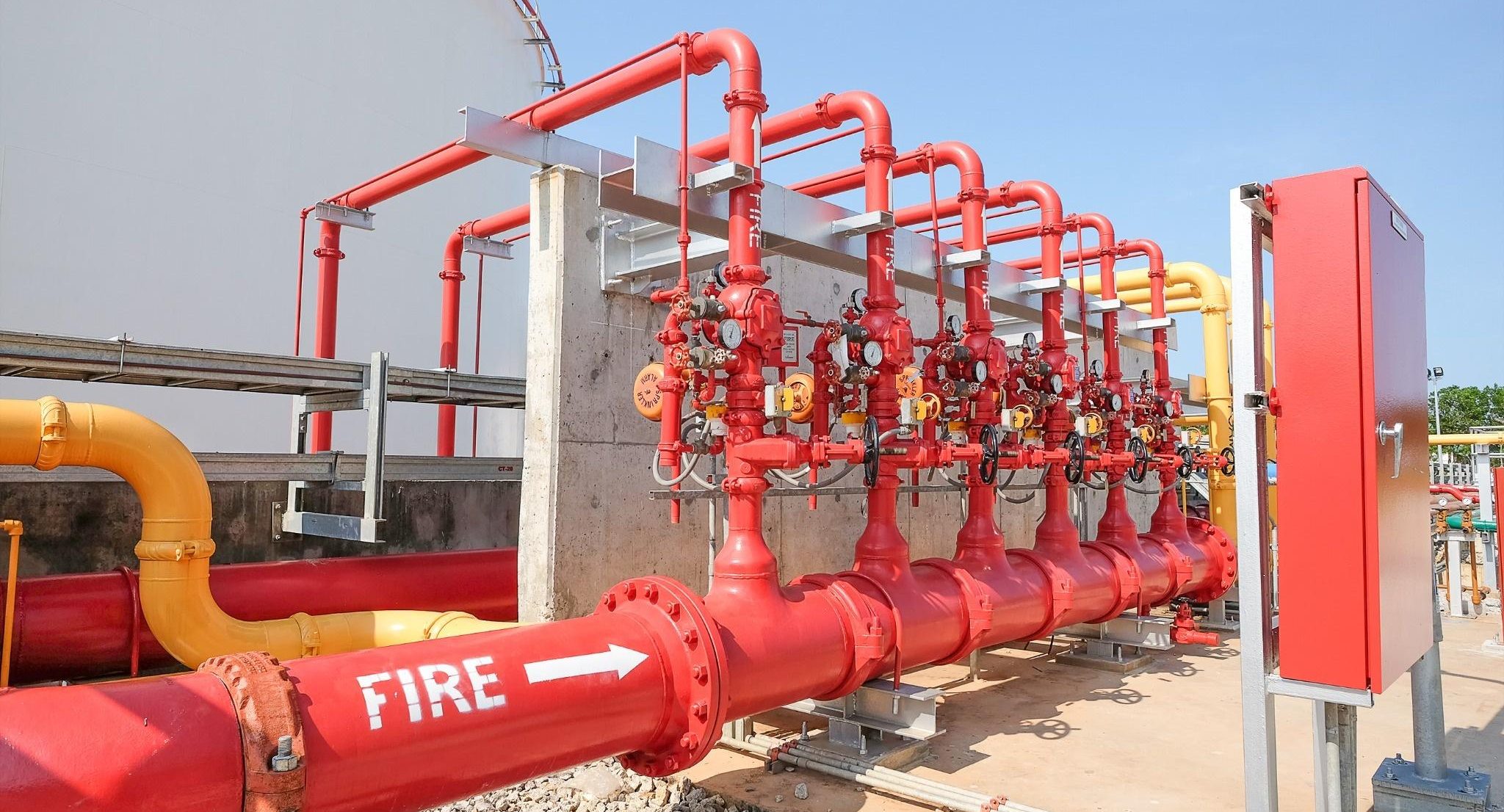
Foam fire suppression systems are engineered to protect facilities exposed to flammable liquid and hydrocarbon fire hazards. These systems discharge foam concentrate mixed with water to help suppress fuel-based fires, reduce vapor release, and prevent re-ignition in high hazard industrial environments.
Recommended Applications
Foam systems are commonly used in:
- Fuel storage facilities
- Aviation operations
- Chemical processing plants
- Refineries
- Loading terminals
- Hazardous material facilities
How Foam Systems Work
Foam systems discharge a foam-water solution that blankets flammable liquids, helping suppress vapors and separate fuel sources from oxygen. Different foam concentrates may be selected depending on the hazard and application.
Benefits of Foam Systems
- Effective flammable liquid suppression
- Vapor suppression capabilities
- Helps prevent re-ignition
- Supports industrial hazard protection
- Suitable for high-risk fuel operations
Inspection & Maintenance Requirements
Maintenance programs may include:
- Foam concentrate testing
- Proportioning system inspections
- Discharge device testing
- Valve inspections
- Detection system testing
- Water supply verification
Common Foam System Deficiencies
- Foam concentrate degradation
- Improper proportioning
- Corroded discharge devices
- Valve impairments
- Detection failures
Relevant NFPA Standards
Foam Fire Suppression FAQs
What hazards require foam suppression?
Foam systems are commonly used for flammable liquid and fuel fire hazards.
Can foam systems be used outdoors?
Yes. Foam systems are frequently used in outdoor industrial and fuel storage environments.
Do foam systems require specialized testing?
Yes. Foam concentrate quality and proportioning performance require ongoing testing and maintenance.
Request A Quote
VFPG News
- Commercial Fire Protection Systems: The Complete Guide to Protecting Your Business
- The Ultimate Guide to Commercial Fire Code Compliance: NFPA Standards, Inspections, and Staying Ahead of Changing Regulations
- The Ultimate Guide to Commercial Fire Alarm Systems: Design, Code Requirements, Wireless Technology, Warranties, and Multi-Building Protection
- Commercial Fire Sprinkler Maintenance: The Complete Guide to Inspections, Repairs, Corrosion Prevention, and Long-Term Reliability
- Commercial Fire Alarm Inspections: The Complete Guide to Inspection Frequencies, Testing Requirements, and Code Compliance
- Commercial Fire Inspections: The Complete Guide to Code Compliance, Safety, and Protecting Your Business
- Why Does Your Commercial Fire Alarm Keep Going Off? Common Causes and How to Fix Them
- The 5 Types of Commercial Fire Extinguishers: Which One Does Your Business Need?
- How Fire Sprinkler Systems Minimize Fire Damage in Commercial Buildings
- High-Rise Fire Protection Systems: Essential Life Safety Solutions for Tall Buildings
VFPG Companies