CO2 Fire Suppression Systems for Industrial Fire Hazards
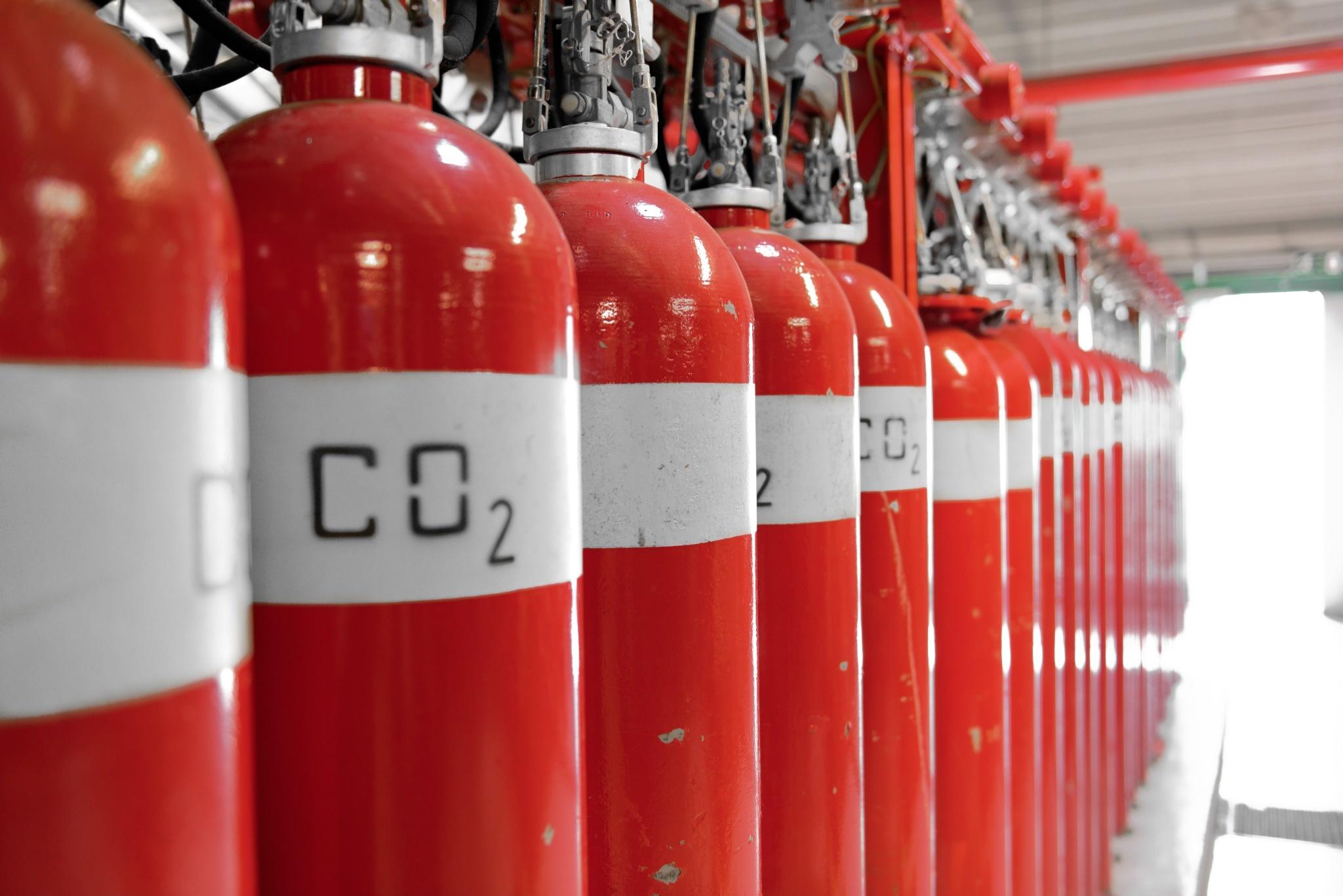
CO2 fire suppression systems are designed for industrial hazards requiring rapid fire extinguishment and total flooding protection. These systems utilize carbon dioxide to reduce oxygen levels around a fire, making them effective for specialized industrial processes and equipment protection applications.
Recommended Applications
CO2 systems are commonly used in:
- Turbine rooms
- Industrial machinery
- Paint lines
- Power generation facilities
- Manufacturing operations
- Hazardous process equipment
How CO2 Systems Work
CO2 systems discharge carbon dioxide gas into a protected area to suppress fire by reducing oxygen concentration below combustion levels. Systems may be designed for total flooding or local application protection.
Benefits of CO2 Systems
- Rapid suppression capabilities
- Effective for industrial hazards
- No water damage
- No residue cleanup
- Suitable for specialized machinery protection
Inspection & Maintenance Requirements
Routine inspections may include:
- Cylinder weight verification
- Discharge path inspections
- Detection testing
- Alarm verification
- Release system testing
- Safety control inspections
Common CO2 System Deficiencies
- Cylinder leakage
- Detection faults
- Damaged piping
- Impaired discharge nozzles
- Control panel failures
- Inoperative warning systems
Relevant NFPA Standards
CO2 Fire Suppression System FAQs
Where are CO2 systems typically used?
CO2 systems are commonly used in industrial and manufacturing environments with specialized fire hazards.
Do CO2 systems leave residue?
No. Carbon dioxide systems discharge clean gas without residue.
Are CO2 systems used in occupied spaces?
CO2 systems require strict life safety considerations and are generally used in controlled industrial applications.
Request A Quote
VFPG News
- Commercial Fire Protection Systems: The Complete Guide to Protecting Your Business
- The Ultimate Guide to Commercial Fire Code Compliance: NFPA Standards, Inspections, and Staying Ahead of Changing Regulations
- The Ultimate Guide to Commercial Fire Alarm Systems: Design, Code Requirements, Wireless Technology, Warranties, and Multi-Building Protection
- Commercial Fire Sprinkler Maintenance: The Complete Guide to Inspections, Repairs, Corrosion Prevention, and Long-Term Reliability
- Commercial Fire Alarm Inspections: The Complete Guide to Inspection Frequencies, Testing Requirements, and Code Compliance
- Commercial Fire Inspections: The Complete Guide to Code Compliance, Safety, and Protecting Your Business
- Why Does Your Commercial Fire Alarm Keep Going Off? Common Causes and How to Fix Them
- The 5 Types of Commercial Fire Extinguishers: Which One Does Your Business Need?
- How Fire Sprinkler Systems Minimize Fire Damage in Commercial Buildings
- High-Rise Fire Protection Systems: Essential Life Safety Solutions for Tall Buildings
VFPG Companies