Commercial Kitchen Hood Fire Suppression Inspections & Service
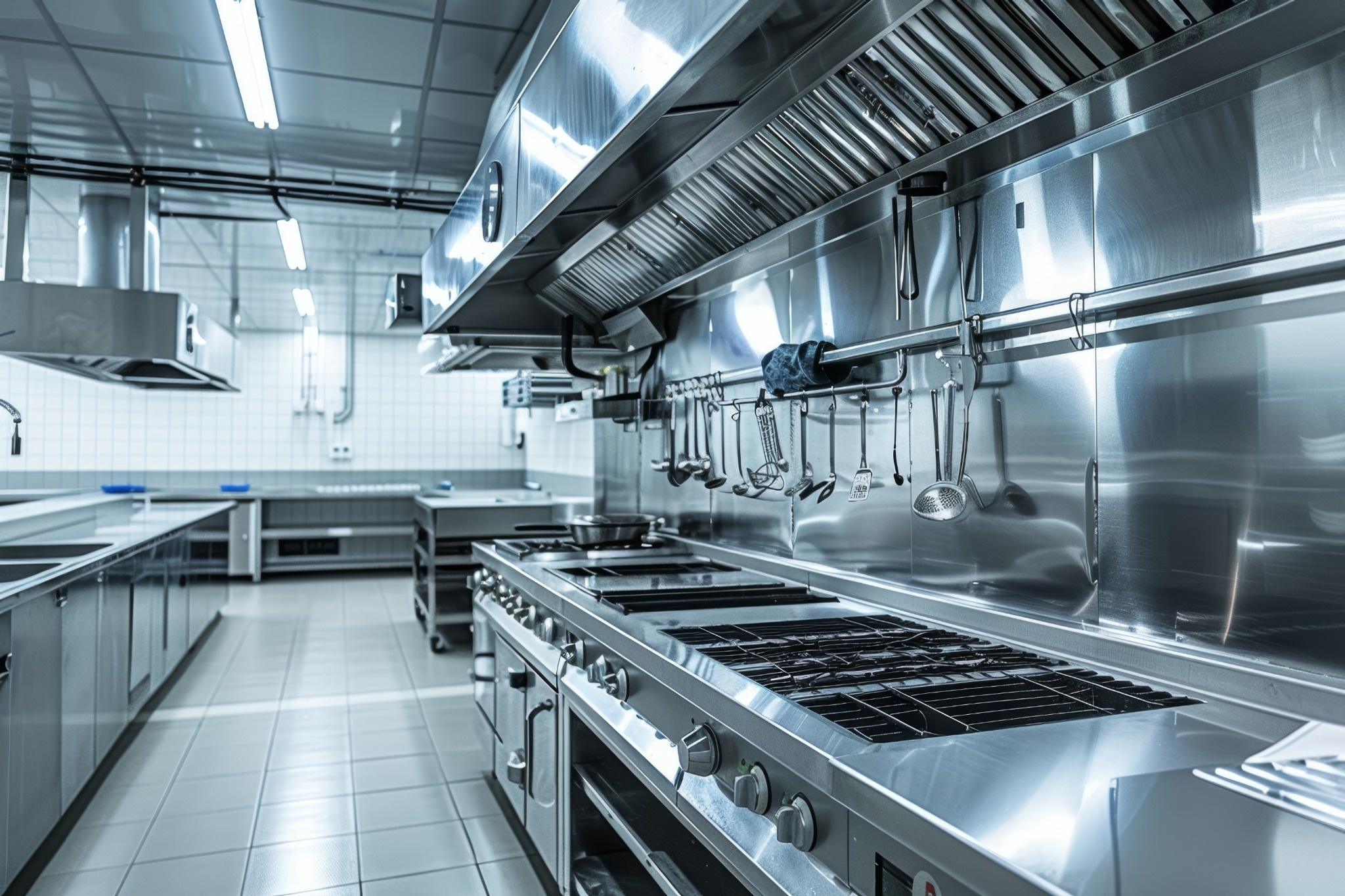
Commercial kitchen fire suppression systems play a critical role in protecting restaurants, healthcare kitchens, hospitality facilities, schools, and commercial food preparation operations from grease-related fire hazards. Our team provides inspections, testing, maintenance, repairs, and compliance support for kitchen hood suppression systems to help facilities remain operational, code compliant, and protected from fire risks.
Commercial Kitchen Fire Protection Services
We provide comprehensive services for commercial kitchen suppression systems, including:
- Semi-annual inspections
- System testing
- Fusible link replacement
- Detection inspections
- Cylinder inspections
- Nozzle inspections
- Emergency repairs
- Wet chemical suppression service
- System upgrades and retrofits
- Compliance documentation
How Kitchen Hood Suppression Systems Work
Commercial kitchen suppression systems are designed to detect and suppress grease fires within cooking appliances, hood systems, and exhaust ducts. When heat activates the detection system, wet chemical agents discharge through strategically placed nozzles to suppress flames and help prevent re-ignition.
Industries We Serve
Kitchen suppression systems are commonly installed in:
- Restaurants
- Hospitals
- Schools and universities
- Hotels and resorts
- Cafeterias
- Commercial food processing facilities
- Assisted living facilities
Inspection & Compliance Requirements
Routine inspections are essential for maintaining compliance and system performance. Our services help support:
- NFPA 17A compliance
- NFPA 96 compliance
- Local fire code requirements
- Insurance requirements
- AHJ inspection readiness
Common Kitchen Hood System Deficiencies
During inspections, common issues may include:
- Obstructed discharge nozzles
- Expired fusible links
- Damaged detection lines
- Grease buildup
- Improper appliance coverage
- Low agent pressure
- Missing inspection documentation
Why Routine Kitchen Hood Service Matters
Failure to maintain kitchen suppression systems can increase fire risks, business interruptions, insurance exposure, and code violations. Routine service helps improve reliability and supports safer commercial cooking operations.
Kitchen Hood Suppression FAQs
How often should kitchen hood suppression systems be inspected?
Most commercial kitchen suppression systems require semi-annual inspections under NFPA standards.
What is included in a kitchen hood inspection?
Inspections may include nozzle checks, cylinder inspections, detection testing, fusible link replacement, and compliance verification.
What types of kitchens require suppression systems?
Most commercial cooking operations utilizing grease-producing appliances require fire suppression protection.
Request A Quote
VFPG News
- Commercial Fire Protection Systems: The Complete Guide to Protecting Your Business
- The Ultimate Guide to Commercial Fire Code Compliance: NFPA Standards, Inspections, and Staying Ahead of Changing Regulations
- The Ultimate Guide to Commercial Fire Alarm Systems: Design, Code Requirements, Wireless Technology, Warranties, and Multi-Building Protection
- Commercial Fire Sprinkler Maintenance: The Complete Guide to Inspections, Repairs, Corrosion Prevention, and Long-Term Reliability
- Commercial Fire Alarm Inspections: The Complete Guide to Inspection Frequencies, Testing Requirements, and Code Compliance
- Commercial Fire Inspections: The Complete Guide to Code Compliance, Safety, and Protecting Your Business
- Why Does Your Commercial Fire Alarm Keep Going Off? Common Causes and How to Fix Them
- The 5 Types of Commercial Fire Extinguishers: Which One Does Your Business Need?
- How Fire Sprinkler Systems Minimize Fire Damage in Commercial Buildings
- High-Rise Fire Protection Systems: Essential Life Safety Solutions for Tall Buildings
VFPG Companies