
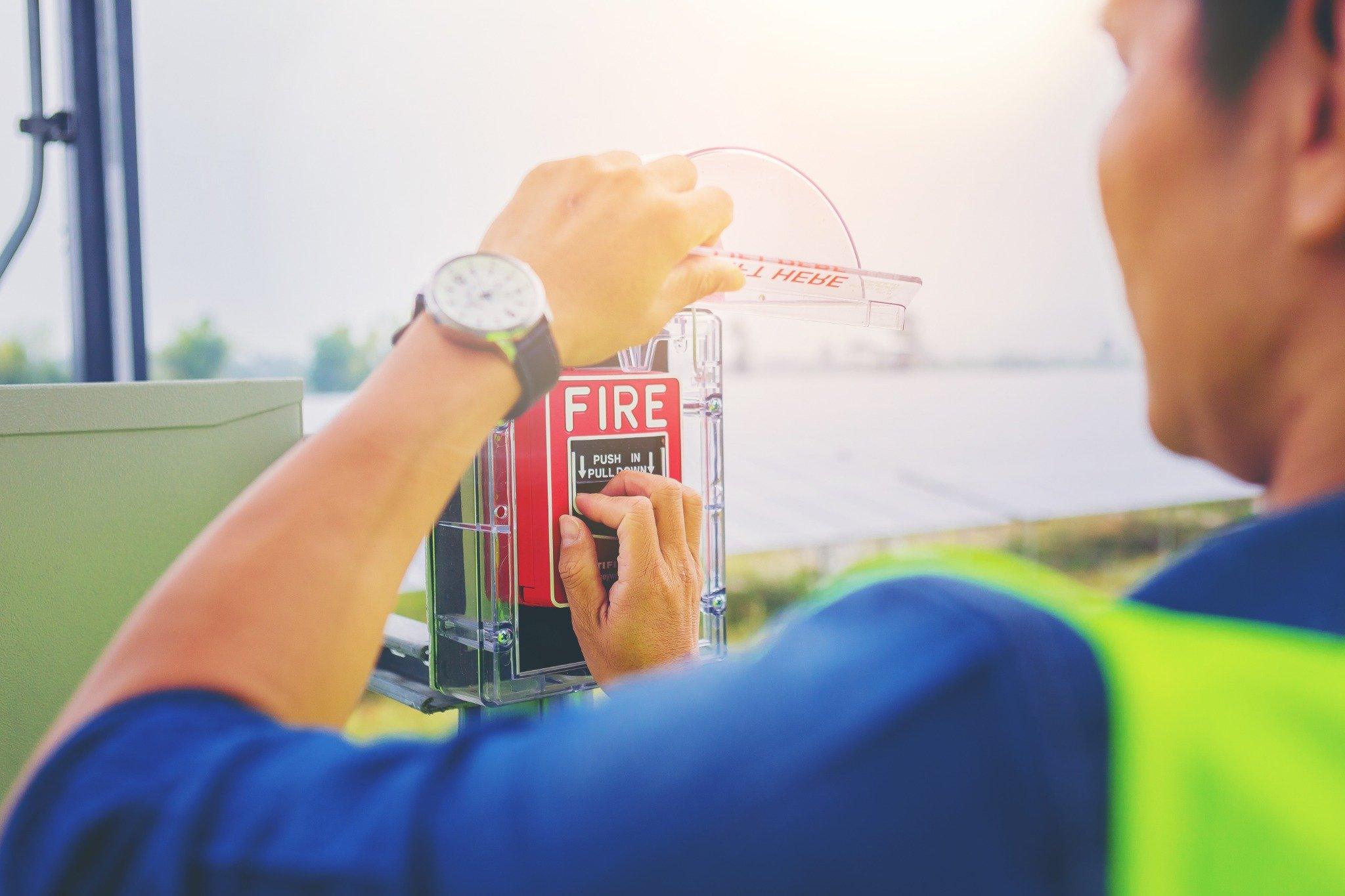
Fire alarm systems are often the first systems to respond during a fire emergency. Long before sprinklers activate or firefighters arrive on scene, a properly functioning fire alarm system is working to detect danger, alert occupants, and initiate emergency response procedures.
While many facility owners focus on fire suppression equipment, early detection is what gives people time to evacuate safely and helps emergency responders react quickly. Without a reliable fire alarm system, even the most advanced fire protection strategy can be compromised.
The question every facility owner, property manager, and safety professional should ask is simple: **Is your fire alarm system ready to perform when it matters most?**
Why Early Detection Is Critical
In a fire emergency, time is one of the most valuable resources available. Fires can develop rapidly, producing dangerous smoke, toxic gases, and extreme heat long before flames become visible throughout a building.
The earlier a fire is detected, the sooner occupants can begin evacuation and emergency responders can be notified.
A properly designed fire alarm system helps:
- Detect smoke, heat, or fire conditions early
- Alert building occupants immediately
- Initiate emergency response procedures
- Transmit alarm signals to monitoring centers
- Reduce evacuation delays
- Improve life safety outcomes
- Limit property damage through faster response
According to the [National Fire Protection Association (NFPA), early warning systems play a critical role in reducing the impact of fire emergencies by providing occupants with valuable time to escape and respond safely.
Fire alarm systems are not simply warning devices—they are often the communication hub that activates the entire emergency response process.
Fire Alarms Are the Foundation of Your Fire Protection Strategy
Many fire protection systems rely on fire alarm technology to initiate actions and communicate emergency conditions.
Depending on the facility, a fire alarm system may integrate with:
- Fire sprinkler systems
- Clean agent suppression systems
- Kitchen hood suppression systems
- Central station monitoring services
- Access control systems
- Smoke control systems
- Emergency voice communication systems
- Elevator recall functions
- Emergency notification systems
When an alarm system activates, it can trigger a coordinated sequence of events designed to protect occupants and property. This level of integration is one reason routine inspections, testing, and maintenance are so important. A fire alarm system that fails to operate properly can impact multiple life safety systems throughout a building.
Understanding NFPA 72
The primary standard governing fire alarm systems is NFPA 72 – National Fire Alarm and Signaling Code
NFPA 72 establishes minimum requirements for the design, installation, testing, inspection, maintenance, and performance of fire alarm and emergency communications systems.
The standard is widely recognized throughout the fire protection industry and serves as the foundation for fire alarm compliance programs across many commercial occupancies.
NFPA 72 addresses critical areas including:
- Fire alarm system design
- Smoke detector placement
- Heat detector placement
- Manual pull stations
- Horn and strobe notification devices
- Emergency voice communication systems
- Monitoring and signal transmission
- Inspection and testing procedures
- Documentation requirements
- System maintenance
The goal of NFPA 72 is straightforward: ensure fire alarm systems perform reliably and consistently during an emergency.
Key NFPA 72 Requirements Facility Managers Should Understand
Routine Inspections and Testing
Fire alarm systems require ongoing testing and inspection to verify that devices, circuits, batteries, communication pathways, and notification appliances remain operational. Testing schedules may include monthly, quarterly, semi-annual, and annual activities depending on system components and occupancy requirements. Regular testing helps identify issues before they become life safety concerns.
Documentation and Recordkeeping
Accurate documentation is an important component of compliance. Inspection reports, testing records, repairs, impairments, and maintenance activities should be properly maintained and readily available. Comprehensive records can simplify audits, support AHJ reviews, and demonstrate compliance efforts.
Backup Power Requirements
Power outages should not disable a fire alarm system. NFPA 72 includes requirements for backup power supplies to help ensure continued operation during electrical interruptions.This often includes battery systems and other emergency power provisions designed to maintain life safety functions.
Proper Device Placement
Detection devices must be located strategically to provide effective coverage throughout a facility. Improper placement can delay detection and reduce system effectiveness. Smoke detectors, heat detectors, pull stations, horns, and strobes all have specific placement requirements based on occupancy and building design.
System Modifications and Upgrades
Facility renovations, occupancy changes, tenant improvements, and building expansions can impact fire alarm system requirements. As facilities evolve, fire alarm systems may require modifications to maintain compliance and ensure proper coverage.
The Hidden Risks of Fire Alarm Non-Compliance
Many fire alarm deficiencies develop gradually and may go unnoticed until an inspection, emergency event, or system failure occurs.
Common issues include:
- Inoperative detectors
- Failed notification devices
- Damaged wiring
- Communication failures
- Battery issues
- Outdated equipment
- Missing inspection records
- Deferred maintenance
When these issues remain unresolved, facilities may experience:
Delayed Emergency Response
A malfunctioning fire alarm system may not detect a fire quickly enough to provide adequate warning.
Reduced Evacuation Time
Occupants rely on alarm systems for notification. Delays can reduce the time available for safe evacuation.
Increased Liability Exposure
Failure to maintain required life safety systems can create significant liability concerns following an incident.
Insurance Challenges
Many insurance carriers expect fire protection systems to be properly maintained and inspected. Non-compliance can increase risk exposure and complicate claims.
Regulatory Consequences
Code violations, failed inspections, and AHJ enforcement actions can lead to costly corrective actions and operational disruptions.
Fire Alarm Monitoring Adds Another Layer of Protection
Detection is only part of the equation. A monitored fire alarm system helps ensure emergency signals are transmitted even when a facility is unoccupied or after business hours.
Monitoring services can provide:
- 24/7 signal supervision
- Rapid notification of alarm events
- Supervisory signal monitoring
- Trouble signal monitoring
- Communication pathway monitoring
- Improved emergency response coordination
For many facilities, monitoring serves as a critical link between detection and emergency response.
Fire Alarm Inspections and Service Matter More Than Most Realize
Fire alarm systems are not “install and forget” systems. Like any life safety technology, they require ongoing inspections, testing, maintenance, repairs, and periodic upgrades to remain reliable. At VFPG, we help facility owners and managers maintain confidence in their fire alarm systems through comprehensive inspection and service programs designed to support compliance, reliability, and long-term performance.
Our fire alarm services include:
- Inspections
- Testing
- Preventive maintenance
- Deficiency repairs
- Monitoring services
- System upgrades
- Documentation support
- Compliance assistance
Our goal is simple: help ensure your system performs exactly as intended when it is needed most.
Fire Alarms Give Every Other System Time to Work
Fire sprinklers help control fires. Suppression systems protect specialized hazards. Monitoring services support emergency response. But none of these systems can perform their roles effectively without early detection. Fire alarm systems provide the critical warning that gives occupants time to evacuate, emergency responders time to react, and fire protection systems time to do their job. They are not simply another code requirement—they are one of the most important components of a comprehensive life safety strategy.
Is Your Fire Alarm System Ready?
If you’re unsure whether your fire alarm system is fully compliant, properly maintained, or performing at its highest level, now is the time to evaluate it. We can review your existing system, inspection history, monitoring configuration, and compliance requirements to help identify potential gaps and opportunities for improvement. Sometimes the most valuable outcome isn’t finding a problem—it’s gaining confidence that your facility is protected, compliant, and prepared.