The terms “fire alarm” and “smoke alarm” are often used interchangeably, but they are not the same. While both play an important role in fire safety, they serve different purposes and are designed for different types of buildings. Understanding the difference is essential for building owners, facility managers, property managers, and business owners responsible for protecting commercial properties.
Residential smoke alarms are designed to alert occupants within a home, while commercial fire alarm systems are engineered to detect fire conditions, notify building occupants, communicate with emergency responders, and integrate with other life safety systems throughout a facility. Selecting the right system is critical for maintaining code compliance, protecting occupants, and minimizing property loss.
Understanding Smoke Alarms
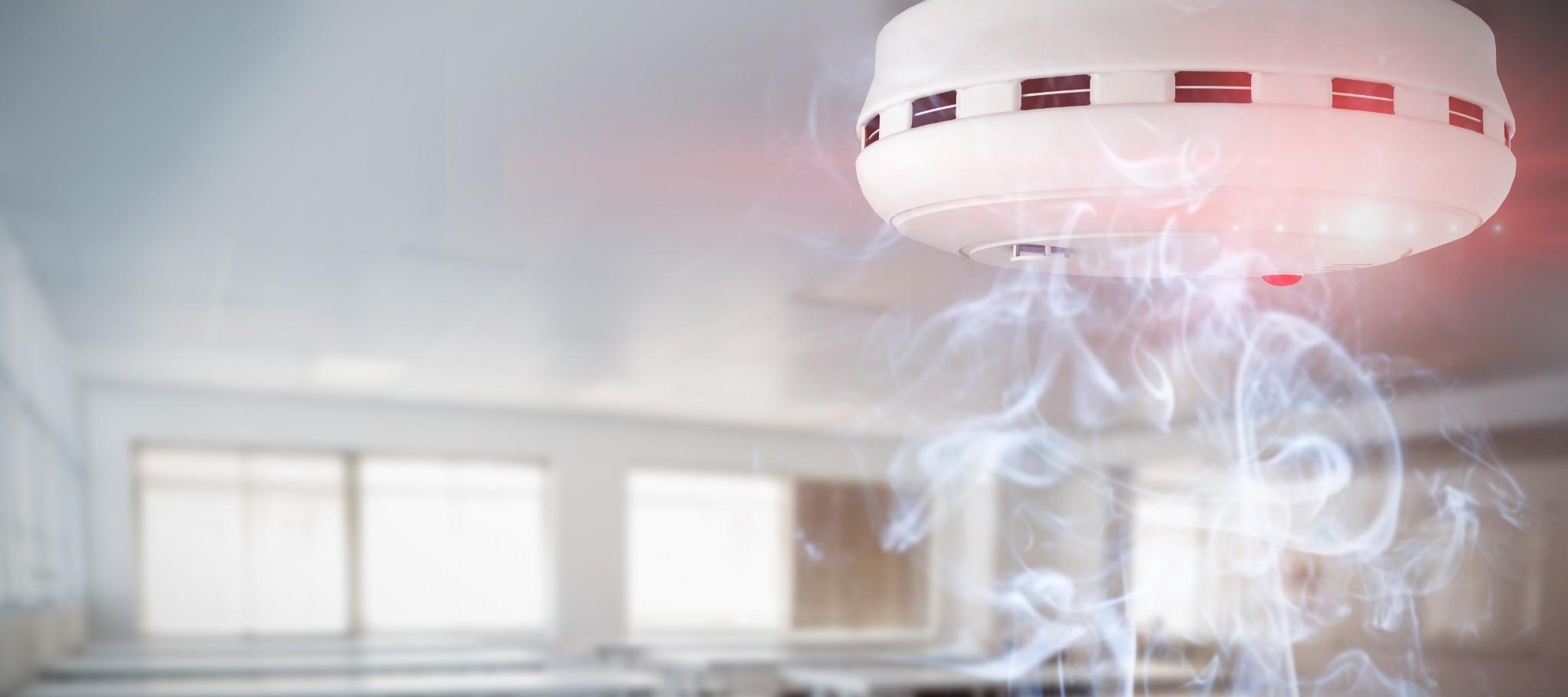
A smoke alarm is a self-contained device that combines smoke detection and occupant notification into a single unit. These devices are commonly installed in homes, apartments, hotels, and small residential occupancies.
When smoke is detected, the alarm sounds locally to alert occupants so they can evacuate safely.
Smoke alarms are typically:
• Battery powered or hardwired
• Designed for residential applications
• Intended to protect individual rooms or living spaces
• Not connected to a central monitoring station
• Limited in their ability to communicate with other building systems
Although smoke alarms provide valuable protection in residential settings, they generally do not meet the fire protection requirements for most commercial buildings.
What Is a Commercial Fire Alarm System?
A commercial fire alarm system is a network of interconnected devices designed to detect fire conditions, notify occupants, activate other building systems, and communicate with emergency responders.
Rather than functioning as a single device, a commercial fire alarm system includes multiple components working together throughout an entire building.
A typical commercial fire alarm system may include:
• Smoke detectors
• Heat detectors
• Manual pull stations
• Horns and strobes
• Voice evacuation systems
• Fire alarm control panels
• Emergency communication systems
• Fire alarm monitoring
• Remote annunciator panels
These systems provide comprehensive life safety protection for occupants while supporting code compliance and emergency response.
How Commercial Fire Alarm Systems Work
Commercial fire alarm systems continuously monitor a building for signs of fire or smoke.
When a detector or initiating device activates, the system can:
• Alert building occupants.
• Activate horns and strobes.
• Broadcast voice evacuation instructions.
• Notify a monitoring center.
• Dispatch emergency responders.
• Interface with fire sprinkler systems.
• Control smoke management systems.
• Release magnetic door holders.
• Recall elevators.
• Unlock access-controlled doors.
Because these systems integrate with numerous building systems, they play a central role in protecting people and property during an emergency.
Smoke Detection vs. Heat Detection
Commercial buildings often utilize multiple detection technologies.
Smoke Detectors
Smoke detectors identify the presence of smoke particles before flames become widespread. They provide early warning and are commonly installed in offices, schools, healthcare facilities, hotels, and commercial buildings.
Heat Detectors
Heat detectors respond to rising temperatures instead of smoke. They are commonly used in environments where dust, steam, humidity, or cooking vapors could cause nuisance alarms.
Examples include:
• Commercial kitchens
• Warehouses
• Mechanical rooms
• Industrial facilities
• Manufacturing plants
Many commercial facilities utilize both smoke and heat detection to provide the most effective protection.
Fire Alarm Systems Do Much More Than Sound an Alarm
One of the biggest misconceptions is that fire alarm systems simply make noise during a fire.
In reality, today’s commercial fire alarm systems coordinate numerous life safety functions simultaneously.
These may include:
• Activating fire sprinkler monitoring
• Sending alarm signals to a UL-listed monitoring center
• Initiating emergency communications
• Releasing fire doors
• Controlling smoke control systems
• Recalling elevators
• Unlocking emergency exits
• Providing first responders with critical building information
These automated functions help reduce response times while improving occupant safety.
Commercial Fire Alarm Systems Are Required by Code
Most commercial occupancies require fire alarm systems based on building size, occupancy classification, life safety risks, and applicable building codes.
Requirements are typically established by:
• NFPA 72 – National Fire Alarm and Signaling Code
• NFPA 101 – Life Safety Code
• International Building Code (IBC)
• Local fire codes
• Authority Having Jurisdiction (AHJ)
Depending on your occupancy, additional requirements may also apply.
Why Monitoring Matters
Many commercial fire alarm systems are connected to 24/7 monitoring services.
When an alarm activates, signals are transmitted immediately to a monitoring center where trained operators verify the event and notify emergency responders when appropriate.
Professional monitoring offers several benefits:
• Faster emergency notification
• Protection during unoccupied hours
• Reduced dependence on on-site personnel
• Improved business continuity
• Greater peace of mind
Monitoring provides another layer of protection by ensuring alarm signals don’t go unnoticed.
When Is a Smoke Alarm Enough?
Smoke alarms remain appropriate for many residential occupancies, including:
• Single-family homes
• Apartments
• Condominiums
• Individual hotel rooms
However, once buildings become larger, more complex, or involve commercial operations, a complete fire alarm system is often required.
When Is a Commercial Fire Alarm System Needed?
Commercial fire alarm systems are commonly installed in:
• Office buildings
• Warehouses
• Manufacturing facilities
• Retail stores
• Healthcare facilities
• Schools and universities
• Hotels
• Government buildings
• Multi-family residential buildings
• Industrial facilities
These systems provide the level of protection necessary to meet code requirements while supporting life safety throughout the building.
Fire Alarm Systems Work Best as Part of a Complete Fire Protection Strategy
Fire alarms are only one component of an effective fire protection program.
The best commercial facilities combine multiple systems, including:
• Fire sprinkler systems
• Fire alarm systems
• Fire alarm monitoring
• Fire extinguishers
• Fire pumps
• Special hazard suppression systems
• Kitchen hood suppression systems
• Backflow preventers
• Emergency and exit lighting
When these systems are properly designed, installed, inspected, and maintained, they create multiple layers of protection that help reduce risk and improve emergency response.
Choosing the Right Fire Protection Solution
Every commercial facility has unique fire protection requirements based on its occupancy, hazards, operations, and applicable codes. Understanding the difference between a smoke alarm and a commercial fire alarm system is the first step toward building a safer, more resilient facility.
Whether you’re planning a new construction project, upgrading an existing system, or evaluating your current fire protection program, we can help you identify the right solution for your building. From fire alarm design and installation to inspections, monitoring, maintenance, and ongoing service, we provide comprehensive fire protection solutions that help businesses remain safe, compliant, and prepared.