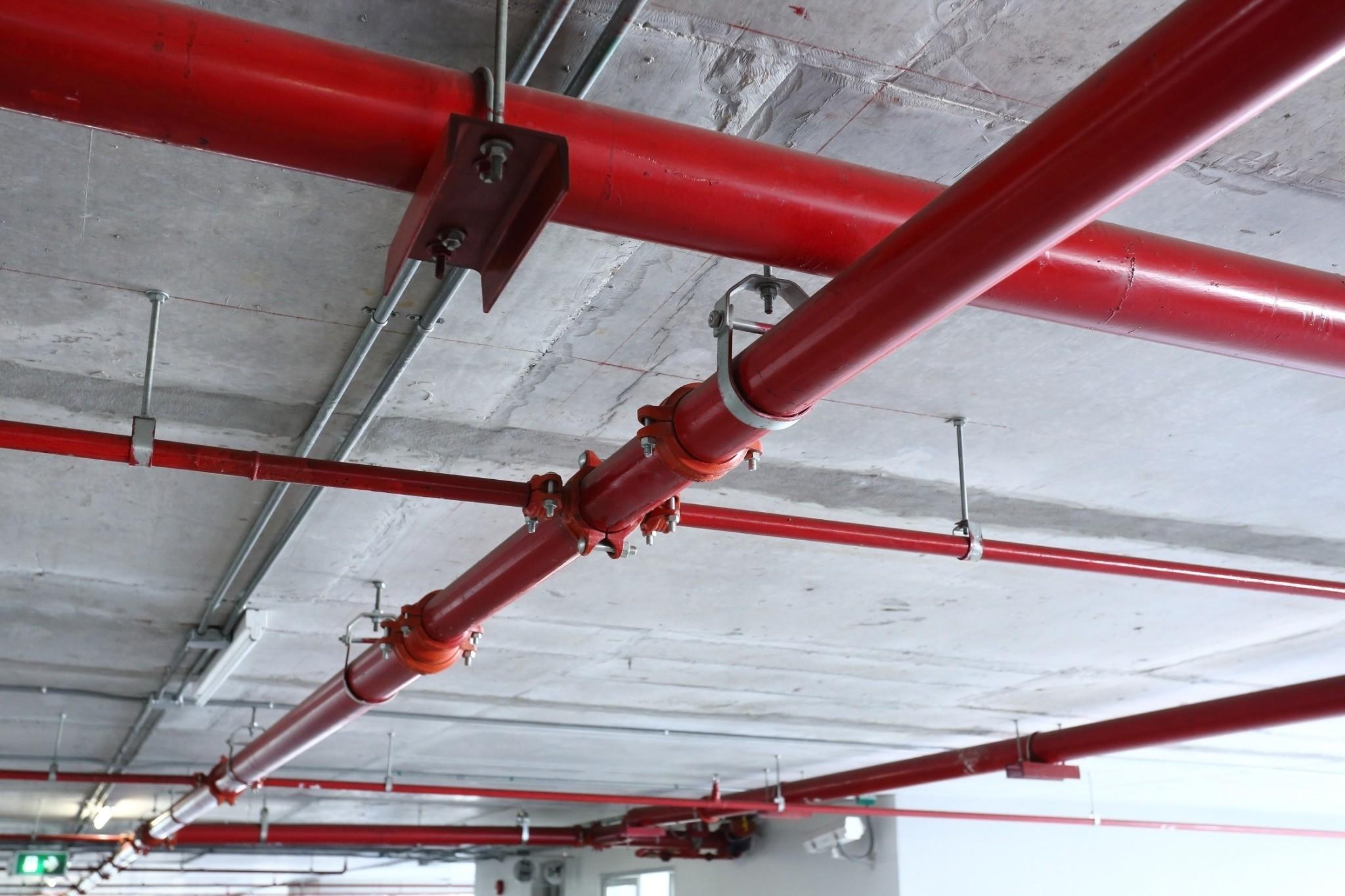
A commercial fire sprinkler system is designed to protect lives, property, and business operations during a fire emergency. Like any mechanical system, however, sprinkler systems age over time and may eventually require repairs or even complete replacement. Knowing when a simple repair is sufficient—and when replacement is the smarter long-term investment—can help facility managers reduce costs while maintaining a safe and code-compliant building.
Not every damaged sprinkler component requires replacing an entire system. In many cases, targeted repairs can restore reliable performance. However, widespread corrosion, outdated equipment, repeated failures, or major building renovations may indicate that replacing all or part of the system is the better solution.
Understanding the differences between repair and replacement allows building owners to make informed decisions that protect both their facilities and their budgets.
When Is a Fire Sprinkler Repair Enough?
Many sprinkler system issues can be corrected quickly without replacing the entire system.
Repairs are often appropriate when problems are isolated and the overall system remains in good condition.
Examples include:
• Damaged sprinkler heads
• Minor pipe leaks
• Valve repairs
• Fire department connection repairs
• Alarm device replacement
• Small sections of corroded piping
• Damaged gauges
• Air compressor repairs on dry systems
These types of repairs typically restore the system to proper working order while minimizing cost and disruption.
Signs Your Fire Sprinkler System Needs Attention
Many sprinkler system problems develop gradually over time.
Common warning signs include:
• Water leaks
• Corrosion on piping
• Rust-colored water
• Damaged sprinkler heads
• Low system pressure
• Frequent valve problems
• Accidental impacts
• Failed inspections
• Repeated service calls
Addressing these issues early often prevents larger, more expensive repairs in the future.
When Replacement May Be the Better Option
Although repairs are often sufficient, some systems reach a point where replacement becomes the more practical long-term solution.
Replacement should be considered when:
• Corrosion is widespread.
• Large portions of piping have deteriorated.
• The building has undergone significant renovations.
• Occupancy classifications have changed.
• Existing systems no longer meet code requirements.
• Replacement parts are difficult to obtain.
• Repair costs continue to increase.
• The system no longer provides adequate protection.
Replacing aging systems before a major failure occurs can reduce downtime and improve long-term reliability.
The Hidden Cost of Repeated Repairs
Many facility owners focus on the immediate cost of a repair without considering long-term maintenance expenses.
If a sprinkler system requires frequent service calls, recurring leaks, or repeated component replacements, the total cost of ownership may eventually exceed the cost of replacing aging equipment.
Repeated emergency repairs can also create:
• Operational disruptions
• Tenant complaints
• Increased maintenance budgets
• Insurance concerns
• Higher risk of system impairment
Evaluating long-term performance rather than individual repair costs often leads to better financial decisions.
Corrosion Is One of the Biggest Warning Signs
Internal corrosion remains one of the leading causes of sprinkler system failures.
Over time, corrosion can:
• Restrict water flow
• Weaken piping
• Damage sprinkler heads
• Cause pinhole leaks
• Increase maintenance costs
• Reduce system reliability
Facilities with older sprinkler systems should consider periodic internal pipe inspections and obstruction investigations to identify corrosion before failures occur.
How Building Renovations Affect Fire Protection Systems
Renovations frequently require modifications to existing sprinkler systems.
Examples include:
• Office remodels
• Warehouse expansions
• New tenant buildouts
• Ceiling modifications
• Equipment relocations
• Storage changes
During renovations, sprinkler layouts often need to be updated to maintain proper coverage and comply with current fire protection standards.
In some cases, replacing portions of the system is more practical than modifying older piping.
Changes in Occupancy May Require System Upgrades
Buildings evolve over time.
A warehouse may become a manufacturing facility. Office space may become medical offices. Retail stores may increase storage heights.
These changes can significantly alter fire protection requirements.
Occupancy changes may require:
• Additional sprinkler heads
• Larger water supplies
• Fire pump upgrades
• Different sprinkler types
• New hazard classifications
• Updated hydraulic calculations
Reviewing your fire protection system whenever occupancy changes occur helps maintain code compliance and adequate protection.
The Importance of NFPA 25 Inspections
Routine inspections are often the first indication that repairs or replacement may be needed.
NFPA 25 establishes inspection, testing, and maintenance requirements for water-based fire protection systems.
Regular inspections evaluate:
• Sprinkler heads
• Control valves
• Fire pumps
• Waterflow devices
• Alarm valves
• System piping
• Gauges
• Backflow preventers
These inspections help identify deficiencies before they become major problems.
Repair or Replace? Questions to Consider
When evaluating your system, ask the following questions:
• How old is the sprinkler system?
• Has it experienced repeated leaks?
• Are repair costs increasing?
• Has corrosion been identified?
• Have building operations changed?
• Does the system meet current code requirements?
• Are replacement parts readily available?
• Will future renovations require significant modifications?
Answering these questions can help determine the most cost-effective long-term solution.
The Benefits of Replacing an Aging Fire Sprinkler System
Although replacement requires a larger initial investment, it often provides significant long-term benefits.
Advantages may include:
• Improved reliability
• Reduced maintenance costs
• Better hydraulic performance
• Compliance with current codes
• Greater flexibility for future expansion
• Improved protection for modern occupancies
• Longer equipment life
• Increased property value
Many facility owners find that replacing aging systems ultimately reduces operating costs over the life of the building.
Fire Sprinkler Repairs Should Never Be Delayed
Even seemingly minor sprinkler deficiencies can become major issues if ignored.
Delaying repairs may result in:
• Larger leaks
• Water damage
• Failed inspections
• Increased corrosion
• Reduced fire protection
• Costly emergency service
• Business interruption
Addressing deficiencies promptly helps maintain system reliability while protecting your investment.
Professional Evaluations Make the Difference
Determining whether a sprinkler system should be repaired or replaced requires experience and a thorough understanding of commercial fire protection systems.
A professional evaluation should include:
• System age assessment
• Inspection history review
• Corrosion evaluation
• Hydraulic performance
• Occupancy review
• Code compliance evaluation
• Future operational needs
• Lifecycle cost analysis
This comprehensive approach allows facility owners to make informed decisions based on long-term value rather than short-term cost alone.
Protect Your Facility with the Right Long-Term Solution
Every commercial fire sprinkler system eventually reaches a point where repairs alone may no longer be the most effective solution. Understanding when to repair, when to upgrade, and when to replace aging equipment helps protect your building while reducing long-term maintenance costs.
Whether you need emergency sprinkler repairs, system modifications, tenant buildout services, or a complete sprinkler system replacement, our experienced team provides comprehensive engineering, design, installation, inspections, testing, maintenance, and repair services for commercial facilities across virtually every industry. We can evaluate your existing system and recommend the solution that best supports your facility, budget, and long-term operational goals.