Do You Know Who’s Monitoring Your Facility?

A fire alarm system can detect an emergency. A fire sprinkler system can help control a fire. But what happens if no one receives the alarm signal, especially after hours when the building is empty?

Fire alarm monitoring is one of the most overlooked components of a facility’s fire protection strategy. Yet it plays a critical role in ensuring alarm signals are transmitted, received, and acted upon as quickly as possible.

Detection may start the process, but monitoring is what helps turn an alarm into a response.

The question every facility owner and manager should ask is simple: Do you know who is monitoring your facility—and how quickly they can respond when an alarm occurs?

Fire Alarm Monitoring: The Critical Link Between Detection and Response

When a fire alarm system activates, every second matters.

Without professional monitoring, alarm signals may go unnoticed if a building is unoccupied, if staff are unavailable, or if no one is present to verify and report the emergency.

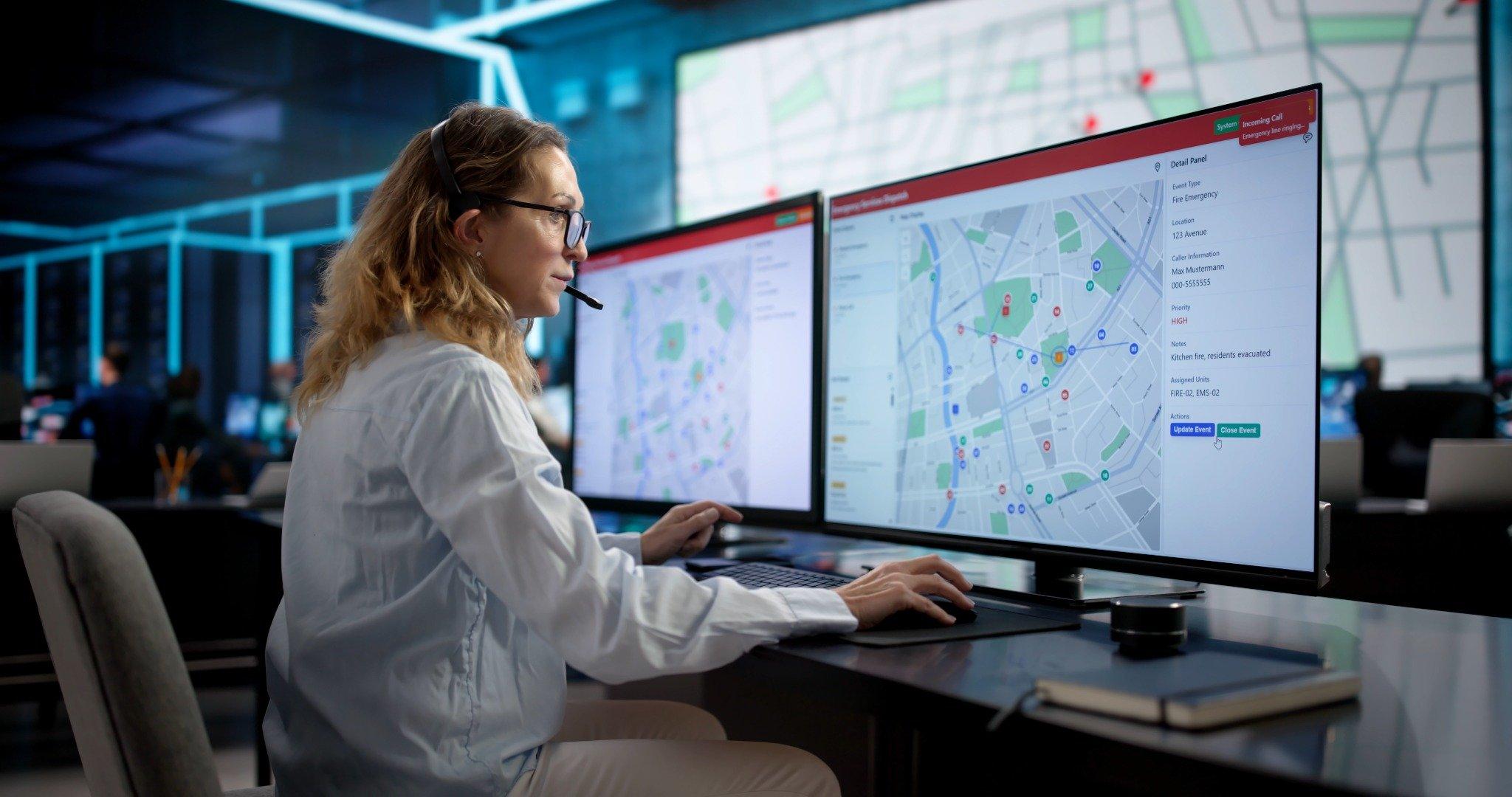
A monitored fire alarm system helps ensure alarm events are immediately transmitted to a central monitoring station where trained personnel can follow established response procedures.

Professional monitoring can provide:

  • Immediate signal transmission
  • 24/7 protection
  • Rapid notification of emergency contacts
  • Notification of responding authorities when required
  • Monitoring of supervisory conditions
  • Monitoring of trouble conditions
  • Increased protection during nights, weekends, and holidays

For many facilities, monitoring serves as the bridge between system activation and emergency action.

What Happens When an Alarm Signal Is Received?

Many building owners understand what a fire alarm system does, but fewer understand what occurs after an alarm signal leaves their facility.

When a monitored system activates:

  • A fire alarm signal is generated
  • The signal is transmitted through the facility’s communication pathway
  • The signal is received by a monitoring center
  • Trained operators review the event and follow response procedures
  • Emergency notifications are initiated according to established protocols
  • Designated facility contacts may also be notified

This process occurs within seconds and helps ensure emergency conditions are addressed quickly, even when a facility is unoccupied.

Why Monitoring Matters Even When You Have Sprinklers

Some facility owners mistakenly assume that a sprinkler system alone provides complete protection.

While fire sprinklers are highly effective at controlling or suppressing fires, they are only one component of a larger life safety strategy.

The strongest protection comes when multiple systems work together:

Fire Alarm Systems – Detect smoke, heat, or fire conditions and initiate emergency signals.

Monitoring Services – Receive alarm signals and initiate response procedures.

Fire Sprinkler & Suppression Systems – Control, suppress, or extinguish the fire.

Together, these systems create a coordinated response chain that can help reduce property damage, improve life safety outcomes, and support faster emergency response. When one component is missing, the overall effectiveness of the protection strategy can be reduced.

The Growing Problem With Legacy Monitoring Technology

One of the most common issues we encounter is facilities operating with outdated monitoring technology.

For years, many alarm systems relied on traditional phone-line communication, commonly referred to as POTS (Plain Old Telephone Service).

Today, telecommunications providers are actively retiring many of these legacy networks, creating new challenges for building owners.

Older communication methods may present risks such as:

  • Reduced reliability
  • Slower signal transmission
  • Limited redundancy
  • Increased communication failures
  • Compatibility issues with newer fire alarm equipment
  • Difficulty obtaining replacement parts or support

Many facilities don’t realize their monitoring technology is outdated until a communication failure occurs or an inspection identifies a deficiency.

Modern Monitoring Solutions Offer Greater Reliability

Today’s fire alarm monitoring systems utilize advanced communication technologies designed to improve reliability and speed.

Common solutions include:

Cellular Monitoring – Cellular communicators provide dedicated wireless communication pathways that are not dependent on traditional telephone infrastructure.

Benefits include:

  • Faster signal transmission
  • Improved reliability
  • Reduced dependence on aging phone networks
  • Enhanced supervision capabilities

IP-Based Monitoring

Internet Protocol (IP) communication allows alarm systems to transmit signals through secure network connections.

Benefits include:

  • Real-time communication
  • Enhanced reporting capabilities
  • Improved system visibility
  • Faster transmission speeds

Dual-Path Communication

Many facilities utilize both cellular and IP communication simultaneously. This redundancy helps ensure alarm signals can still be transmitted if one communication pathway experiences an issue.

What to Look for in a Monitoring Provider

Not all monitoring providers offer the same level of service. Selecting a monitoring partner should involve more than simply comparing monthly rates.

Important factors to evaluate include:

UL Listed Monitoring ServicesFacilities should consider monitoring services supported by a UL-listed central station. Additional information about central station monitoring can be found through

Redundant Communication Paths – Reliable monitoring solutions should include communication redundancy whenever possible.

Fast Signal Processing – Alarm signals should be received, processed, and acted upon without unnecessary delays.

Comprehensive Reporting – Detailed documentation helps support compliance efforts, inspections, and system management.

Integration Capabilities – Monitoring services should work seamlessly with fire alarm, suppression, and life safety systems.

Fire Alarm Monitoring and NFPA Compliance

Monitoring is often an important component of a facility’s overall fire protection compliance strategy.

The National Fire Protection Association (NFPA) establishes requirements related to fire alarm system performance, communication pathways, testing, and monitoring through standards such as:

NFPA 72 – National Fire Alarm and Signaling Code

NFPA 72 provides guidance on:

  • Signal transmission
  • Monitoring requirements
  • Communication methods
  • Inspection procedures
  • Testing requirements
  • System reliability

Proper monitoring can help support code compliance while improving overall system performance.

Are You Getting the Level of Monitoring You’re Paying For?

Many organizations have had the same monitoring provider for years without fully understanding:

  • How signals are transmitted
  • Whether communication technology is current
  • What redundancy exists
  • How quickly alarms are processed
  • What services are included in the contract

Monitoring agreements often remain unchanged while technology evolves around them.

As a result, facilities may be paying for services that no longer align with current operational needs or industry best practices.

Why Consolidating Monitoring and Fire Protection Services Makes Sense

Managing multiple vendors for alarms, sprinklers, monitoring, inspections, and repairs can create unnecessary complexity.

When monitoring services are aligned with your broader fire protection strategy, facilities often benefit from:

Greater Accountability – One provider has a comprehensive understanding of the entire system.

Faster Issue Resolution – Communication barriers between multiple vendors are reduced.

Simplified Compliance – Inspection reports, monitoring records, and service documentation become easier to manage.

Better Long-Term Planning – A single provider can identify opportunities for upgrades, technology improvements, and risk reduction.

At VFPG, we help facility owners simplify fire protection management by coordinating monitoring services with inspection, testing, maintenance, and life safety programs.

Monitoring Is More Than a Monthly Service

Fire alarm monitoring is often viewed as a recurring expense. In reality, it is one of the most important components of a facility’s emergency response strategy.

  • Detection identifies the problem.
  • Monitoring ensures someone knows about it.
  • Without monitoring, critical alarm signals may go unanswered, response times may be delayed, and emergencies can escalate unnecessarily.
  • A monitored system helps provide confidence that when an alarm occurs, the right information reaches the right people at the right time.

Not Sure What You Have? We Can Help

If you’re unsure what communication technology your system uses, whether your monitoring service meets current standards, or if your facility could benefit from upgraded monitoring capabilities, we can help. Our team can review your existing monitoring setup, communication pathways, service agreements, and fire alarm infrastructure to identify potential gaps and opportunities for improvement. Sometimes the most valuable outcome isn’t finding a problem—it’s gaining confidence that your facility is protected when no one is there to watch it.
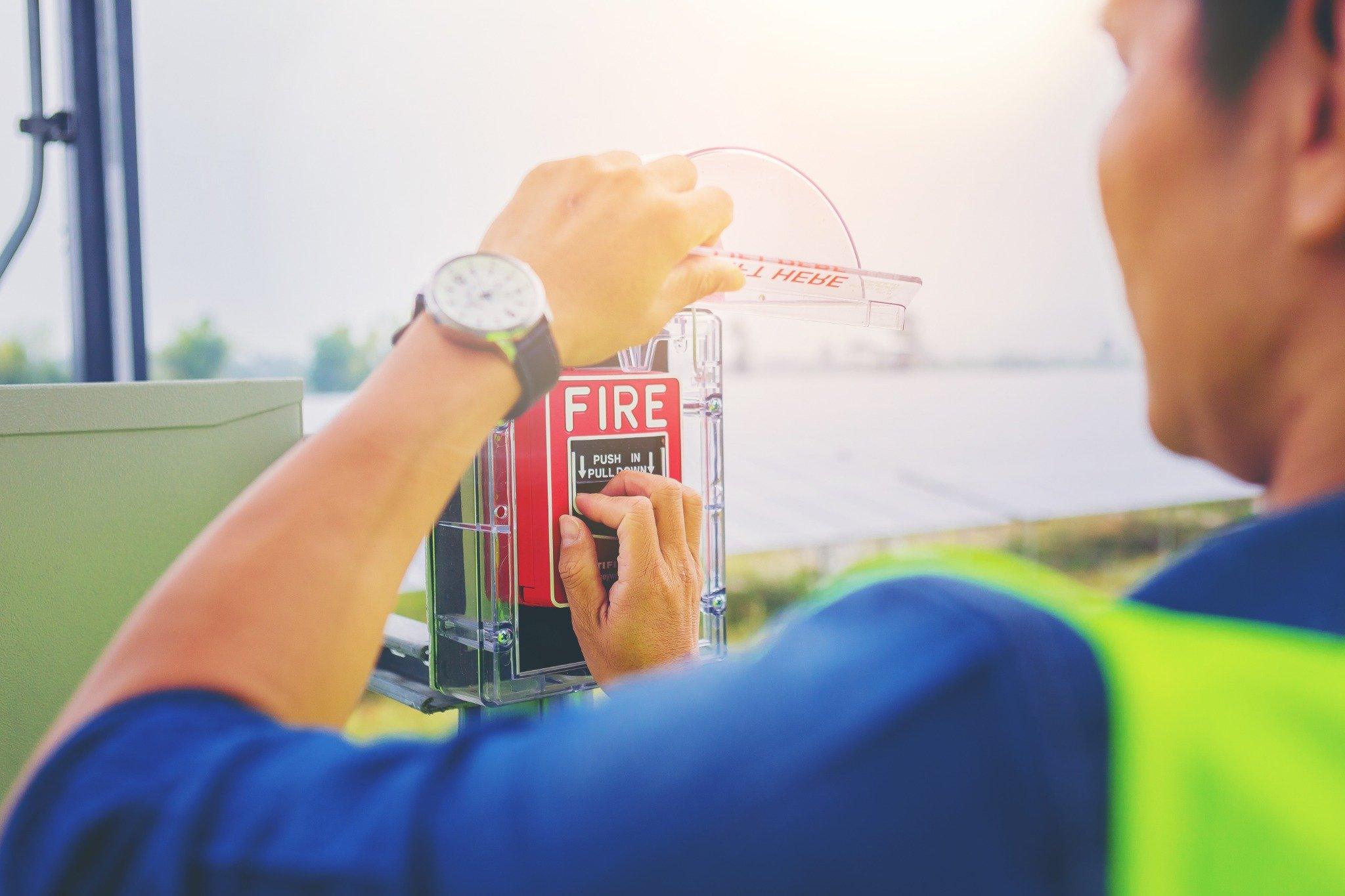
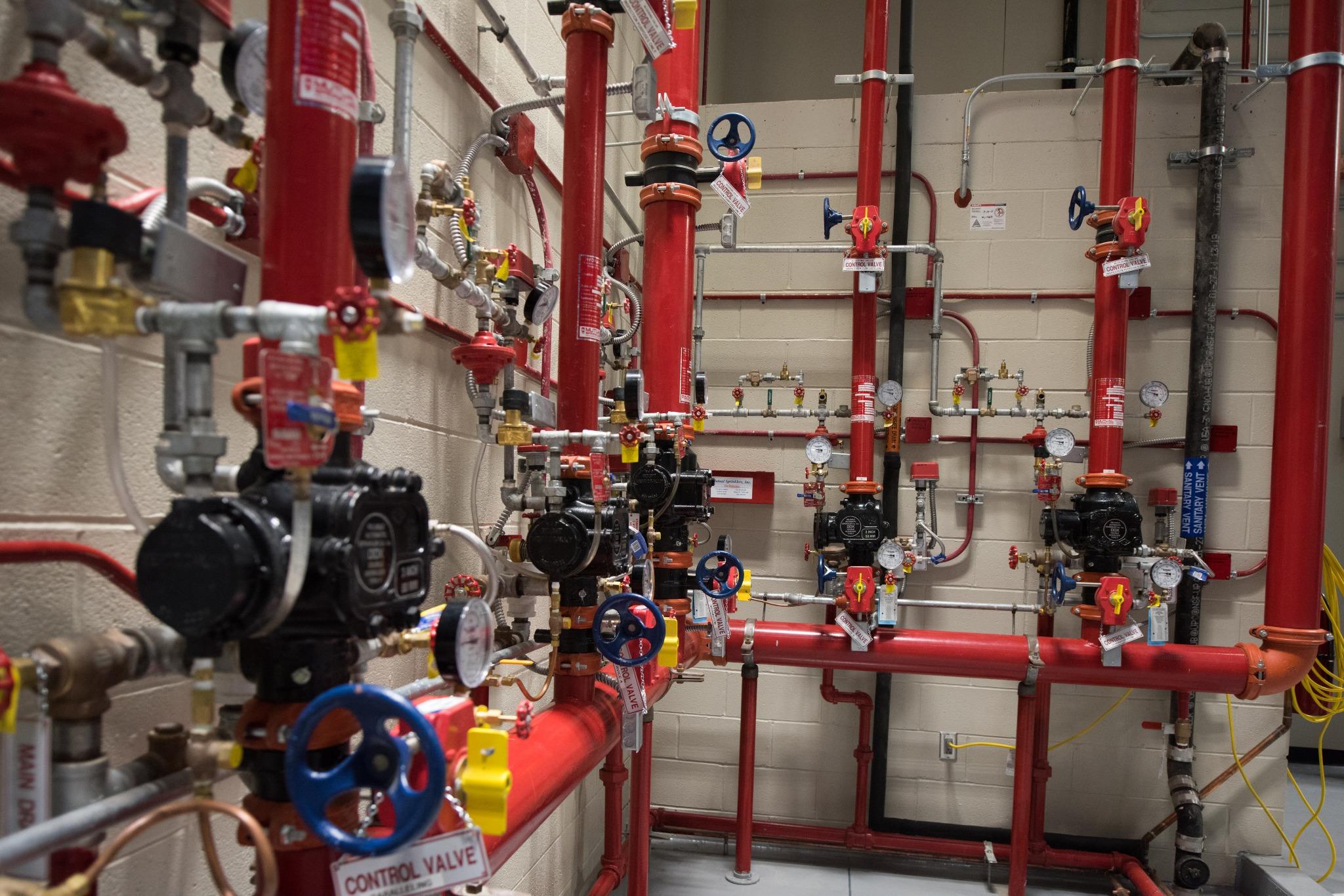
Early Detection Saves Lives: Is Your Fire Alarm System Up to Code?

Fire alarm systems are often the first systems to respond during a fire emergency. Long before sprinklers activate or firefighters arrive on scene, a properly functioning fire alarm system is working to detect danger, alert occupants, and initiate emergency response procedures.

While many facility owners focus on fire suppression equipment, early detection is what gives people time to evacuate safely and helps emergency responders react quickly. Without a reliable fire alarm system, even the most advanced fire protection strategy can be compromised.

The question every facility owner, property manager, and safety professional should ask is simple: **Is your fire alarm system ready to perform when it matters most?**

Why Early Detection Is Critical

In a fire emergency, time is one of the most valuable resources available. Fires can develop rapidly, producing dangerous smoke, toxic gases, and extreme heat long before flames become visible throughout a building.

The earlier a fire is detected, the sooner occupants can begin evacuation and emergency responders can be notified.

A properly designed fire alarm system helps:

  • Detect smoke, heat, or fire conditions early
  • Alert building occupants immediately
  • Initiate emergency response procedures
  • Transmit alarm signals to monitoring centers
  • Reduce evacuation delays
  • Improve life safety outcomes
  • Limit property damage through faster response

According to the [National Fire Protection Association (NFPA), early warning systems play a critical role in reducing the impact of fire emergencies by providing occupants with valuable time to escape and respond safely.

Fire alarm systems are not simply warning devices—they are often the communication hub that activates the entire emergency response process.

Fire Alarms Are the Foundation of Your Fire Protection Strategy

Many fire protection systems rely on fire alarm technology to initiate actions and communicate emergency conditions.

Depending on the facility, a fire alarm system may integrate with:

When an alarm system activates, it can trigger a coordinated sequence of events designed to protect occupants and property. This level of integration is one reason routine inspections, testing, and maintenance are so important. A fire alarm system that fails to operate properly can impact multiple life safety systems throughout a building.

Understanding NFPA 72

The primary standard governing fire alarm systems is NFPA 72 – National Fire Alarm and Signaling Code

NFPA 72 establishes minimum requirements for the design, installation, testing, inspection, maintenance, and performance of fire alarm and emergency communications systems.

The standard is widely recognized throughout the fire protection industry and serves as the foundation for fire alarm compliance programs across many commercial occupancies.

NFPA 72 addresses critical areas including:

  • Fire alarm system design
  • Smoke detector placement
  • Heat detector placement
  • Manual pull stations
  • Horn and strobe notification devices
  • Emergency voice communication systems
  • Monitoring and signal transmission
  • Inspection and testing procedures
  • Documentation requirements
  • System maintenance

The goal of NFPA 72 is straightforward: ensure fire alarm systems perform reliably and consistently during an emergency.

Key NFPA 72 Requirements Facility Managers Should Understand
Routine Inspections and Testing

Fire alarm systems require ongoing testing and inspection to verify that devices, circuits, batteries, communication pathways, and notification appliances remain operational. Testing schedules may include monthly, quarterly, semi-annual, and annual activities depending on system components and occupancy requirements. Regular testing helps identify issues before they become life safety concerns.

Documentation and Recordkeeping

Accurate documentation is an important component of compliance. Inspection reports, testing records, repairs, impairments, and maintenance activities should be properly maintained and readily available. Comprehensive records can simplify audits, support AHJ reviews, and demonstrate compliance efforts.

Backup Power Requirements

Power outages should not disable a fire alarm system. NFPA 72 includes requirements for backup power supplies to help ensure continued operation during electrical interruptions.This often includes battery systems and other emergency power provisions designed to maintain life safety functions.

Proper Device Placement

Detection devices must be located strategically to provide effective coverage throughout a facility. Improper placement can delay detection and reduce system effectiveness. Smoke detectors, heat detectors, pull stations, horns, and strobes all have specific placement requirements based on occupancy and building design.

System Modifications and Upgrades

Facility renovations, occupancy changes, tenant improvements, and building expansions can impact fire alarm system requirements. As facilities evolve, fire alarm systems may require modifications to maintain compliance and ensure proper coverage.

The Hidden Risks of Fire Alarm Non-Compliance

Many fire alarm deficiencies develop gradually and may go unnoticed until an inspection, emergency event, or system failure occurs.

Common issues include:

  • Inoperative detectors
  • Failed notification devices
  • Damaged wiring
  • Communication failures
  • Battery issues
  • Outdated equipment
  • Missing inspection records
  • Deferred maintenance

When these issues remain unresolved, facilities may experience:

Delayed Emergency Response

A malfunctioning fire alarm system may not detect a fire quickly enough to provide adequate warning.

Reduced Evacuation Time

Occupants rely on alarm systems for notification. Delays can reduce the time available for safe evacuation.

Increased Liability Exposure

Failure to maintain required life safety systems can create significant liability concerns following an incident.

Insurance Challenges

Many insurance carriers expect fire protection systems to be properly maintained and inspected. Non-compliance can increase risk exposure and complicate claims.

Regulatory Consequences

Code violations, failed inspections, and AHJ enforcement actions can lead to costly corrective actions and operational disruptions.

Fire Alarm Monitoring Adds Another Layer of Protection

Detection is only part of the equation. A monitored fire alarm system helps ensure emergency signals are transmitted even when a facility is unoccupied or after business hours.

Monitoring services can provide:

  • 24/7 signal supervision
  • Rapid notification of alarm events
  • Supervisory signal monitoring
  • Trouble signal monitoring
  • Communication pathway monitoring
  • Improved emergency response coordination

For many facilities, monitoring serves as a critical link between detection and emergency response.

Fire Alarm Inspections and Service Matter More Than Most Realize

Fire alarm systems are not “install and forget” systems. Like any life safety technology, they require ongoing inspections, testing, maintenance, repairs, and periodic upgrades to remain reliable. At VFPG, we help facility owners and managers maintain confidence in their fire alarm systems through comprehensive inspection and service programs designed to support compliance, reliability, and long-term performance.

Our fire alarm services include:

  • Inspections
  • Testing
  • Preventive maintenance
  • Deficiency repairs
  • Monitoring services
  • System upgrades
  • Documentation support
  • Compliance assistance

Our goal is simple: help ensure your system performs exactly as intended when it is needed most.

Fire Alarms Give Every Other System Time to Work

Fire sprinklers help control fires. Suppression systems protect specialized hazards. Monitoring services support emergency response. But none of these systems can perform their roles effectively without early detection. Fire alarm systems provide the critical warning that gives occupants time to evacuate, emergency responders time to react, and fire protection systems time to do their job. They are not simply another code requirement—they are one of the most important components of a comprehensive life safety strategy.

Is Your Fire Alarm System Ready?

If you’re unsure whether your fire alarm system is fully compliant, properly maintained, or performing at its highest level, now is the time to evaluate it. We can review your existing system, inspection history, monitoring configuration, and compliance requirements to help identify potential gaps and opportunities for improvement. Sometimes the most valuable outcome isn’t finding a problem—it’s gaining confidence that your facility is protected, compliant, and prepared.

Fire Sprinklers Are Just One Layer: Is Your Facility Fully Protected?

Fire sprinkler systems are one of the most effective tools available for controlling fires and protecting lives and property. In fact, automatic sprinkler systems have helped save countless lives and significantly reduce property loss for decades. But while sprinklers are a critical component of any fire protection strategy, they are only one piece of a much larger life safety ecosystem.

The reality is that true protection happens when all fire and life safety systems work together as an integrated solution. Fire alarms, suppression systems, monitoring, extinguishers, backflow preventers, emergency lighting, and security systems each play a unique role in protecting your people, property, and operations.

The question facility managers and building owners should be asking isn’t simply, “Do we have fire sprinklers?” It’s, “Are all of our life safety systems working together to provide complete protection?”

Fire Protection Is a System—Not a Single Service

A properly protected facility relies on multiple systems that are designed to detect, communicate, suppress, and support emergency response efforts. Each system serves a specific purpose, but no single system can provide complete protection on its own.

For example:

  • Fire alarm systems detect and communicate emergencies.
  • Fire sprinkler systems help control or suppress fires.
  • Fire suppression systems protect specialized hazards.
  • Monitoring services ensure emergency signals are transmitted when facilities are unoccupied.
  • Fire extinguishers provide immediate response capabilities.
  • Emergency and exit lighting help occupants evacuate safely.
  • Security and access control systems can support emergency response and facility management.

When these systems are properly designed, inspected, tested, and maintained, they work together to create a comprehensive fire and life safety strategy.

According to the National Fire Protection Association (NFPA), fire protection systems must be regularly inspected, tested, and maintained to ensure they perform as intended during an emergency. A failure in one system can affect the overall effectiveness of your facility’s life safety program.

The Hidden Risks of Protection Gaps

Many facilities unknowingly develop protection gaps over time. A sprinkler system may be inspected regularly while fire extinguishers are overlooked. A fire alarm system may be maintained, but monitoring communications have not been upgraded. Emergency lighting may have failing batteries that go unnoticed until an outage occurs.

These gaps often remain hidden until an inspection, audit, or emergency reveals the problem.

Common examples include:

  • Overdue inspections
  • Missing maintenance records
  • Deficient fire alarm devices
  • Expired extinguisher certifications
  • Impaired fire pumps
  • Failed backflow preventers
  • Outdated monitoring communicators
  • Non-functional emergency lighting

The challenge becomes even greater when multiple vendors are responsible for different systems. Documentation is scattered, inspection schedules vary, and communication between providers may be limited.

Compliance Is More Complex Than Ever

Today’s commercial facilities must navigate a wide range of codes, standards, insurance requirements, and local regulations. Different systems are governed by different standards, each with its own inspection, testing, and maintenance requirements.

Examples include:

Additional information on these standards can be found through the NFPA Codes & Standards Directory.

When inspections are missed or deficiencies remain unresolved, facilities may face:

  • Failed audits
  • AHJ violations
  • Increased liability exposure
  • Insurance concerns
  • Unexpected repair costs
  • Operational disruptions

Maintaining compliance across multiple systems and vendors can quickly become a full-time responsibility.

Why One Fire Protection Partner Makes a Difference

One of the most effective ways to simplify compliance and reduce risk is to work with a single provider that understands your entire facility.

Rather than coordinating multiple contractors, schedules, reports, and service records, a single fire protection partner can provide a more streamlined approach to life safety management.

Benefits include:

  • One Point of Contact – A single relationship simplifies communication, scheduling, and accountability.
  • Coordinated Inspection Schedules – Inspections can often be grouped together, reducing disruptions and helping ensure nothing is overlooked.
  • Centralized Documentation – Service reports, inspection records, deficiency tracking, and compliance documentation are easier to manage and access.
  • Better Facility Knowledge – Over time, a dedicated service partner develops a deeper understanding of your systems, facility operations, and long-term goals.
  • Improved Accountability – When one team manages multiple systems, there is less opportunity for responsibilities to fall between vendors.

A Complete Fire & Life Safety Approach

At VFPG, we believe facilities are best protected when every life safety system is managed as part of a unified strategy.

Our teams provide inspection, testing, maintenance, repair, installation, and monitoring services across a wide range of fire and life safety systems, including:


By coordinating these services under one provider, we help facilities simplify compliance efforts, improve operational efficiency, and strengthen overall protection.

  • The Benefits of a Full-System Fire Protection Strategy – Facilities that take a comprehensive approach to fire protection often experience measurable benefits, including:
  • Improved Compliance Performance – Coordinated inspections and maintenance help reduce missed requirements and improve audit readiness.
  • Reduced Long-Term Risk – Proactive maintenance and system oversight help identify issues before they become costly problems.
  • Faster Emergency Response – Integrated systems improve communication, notification, and suppression capabilities during emergencies.
  • Greater Operational Efficiency – Managing multiple life safety systems through a single provider simplifies scheduling, reporting, and budgeting.
  • Increased Peace of Mind – Knowing that all systems are being properly maintained allows facility managers to focus on their core responsibilities.

Fire Sprinklers Are Where Protection Starts—Not Where It Ends

Fire sprinkler systems remain one of the most important life safety investments a facility can make. However, relying on sprinklers alone leaves critical gaps that could impact safety, compliance, and operational continuity.

The most effective facilities take a complete-system approach—one that combines detection, notification, suppression, monitoring, emergency response support, and ongoing maintenance into a unified strategy.

When every system works together, protection becomes stronger, compliance becomes easier, and risk becomes more manageable.

Need Help Identifying Potential Gaps?

If you’re unsure whether all of your fire and life safety systems are working together effectively, we can help. Our team can review your current systems, inspection schedules, and compliance requirements to identify opportunities for improvement and help you build a more comprehensive protection strategy.

Sometimes the most valuable outcome isn’t finding a problem—it’s gaining confidence that your facility is fully protected.

VFPG Safety Week 2026: Reinforcing Our Commitment to Protecting People

Every day, fire protection professionals work in environments where safety cannot be an afterthought. From construction sites and manufacturing facilities to healthcare campuses and commercial buildings, the work we perform is centered around protecting lives and property. That responsibility starts with protecting our own people.

During Construction Safety Week 2026, teams across Viking Fire Protection Group (VFPG) came together to focus on the habits, conversations, and actions that help create safer workplaces. While Safety Week is recognized nationally throughout the construction industry, for our teams it serves as a reminder of a commitment that extends far beyond a single week on the calendar.

Building a Stronger Safety Culture

Safety is more than compliance, policies, or procedures. It is a mindset that influences every decision made on a jobsite, in a service vehicle, and in the office. Creating a strong safety culture requires continuous learning, accountability, and a willingness to look out for one another.

Throughout Safety Week, teams across the country participated in discussions and activities focused on critical safety topics, including:

  • Distracted driving awareness
  • Proper head protection and helmet use
  • Safe operation of power tools and equipment
  • Situational awareness on jobsites
  • Personal accountability and teamwork
  • Continuous improvement in workplace safety

These conversations help reinforce the idea that everyone has a role to play in creating a safer work environment.

Safety Topics That Matter

One of this year’s key discussions centered on distracted driving, one of the leading causes of vehicle accidents across the United States. For technicians, inspectors, installers, and service professionals who spend significant time on the road, maintaining focus behind the wheel is essential to protecting both themselves and the communities they serve.

Teams also reviewed the importance of properly wearing safety helmets with chinstraps to ensure head protection remains secure in active construction environments. Simple habits like correctly wearing personal protective equipment can make a significant difference when unexpected situations occur.

Another focus area was proper tool operation through the “Hands on Handles” initiative, emphasizing the importance of maintaining control of tools and equipment, following manufacturer recommendations, and identifying safer work methods whenever necessary.

These may seem like small actions, but together they help prevent incidents and support a safer workplace for everyone.

Safety Week Across VFPG

Our offices found unique ways to bring their teams together while reinforcing the importance of safety.

The VFP Fire Columbus team kicked off Safety Week with a team breakfast, creating an opportunity to step away from daily responsibilities and reconnect around shared values. Discussions focused on accountability, teamwork, and the importance of making safety part of every decision. The event served as a reminder that building a strong safety culture starts with communication and collaboration.

VFP Fire Columbus Safety Week 2026

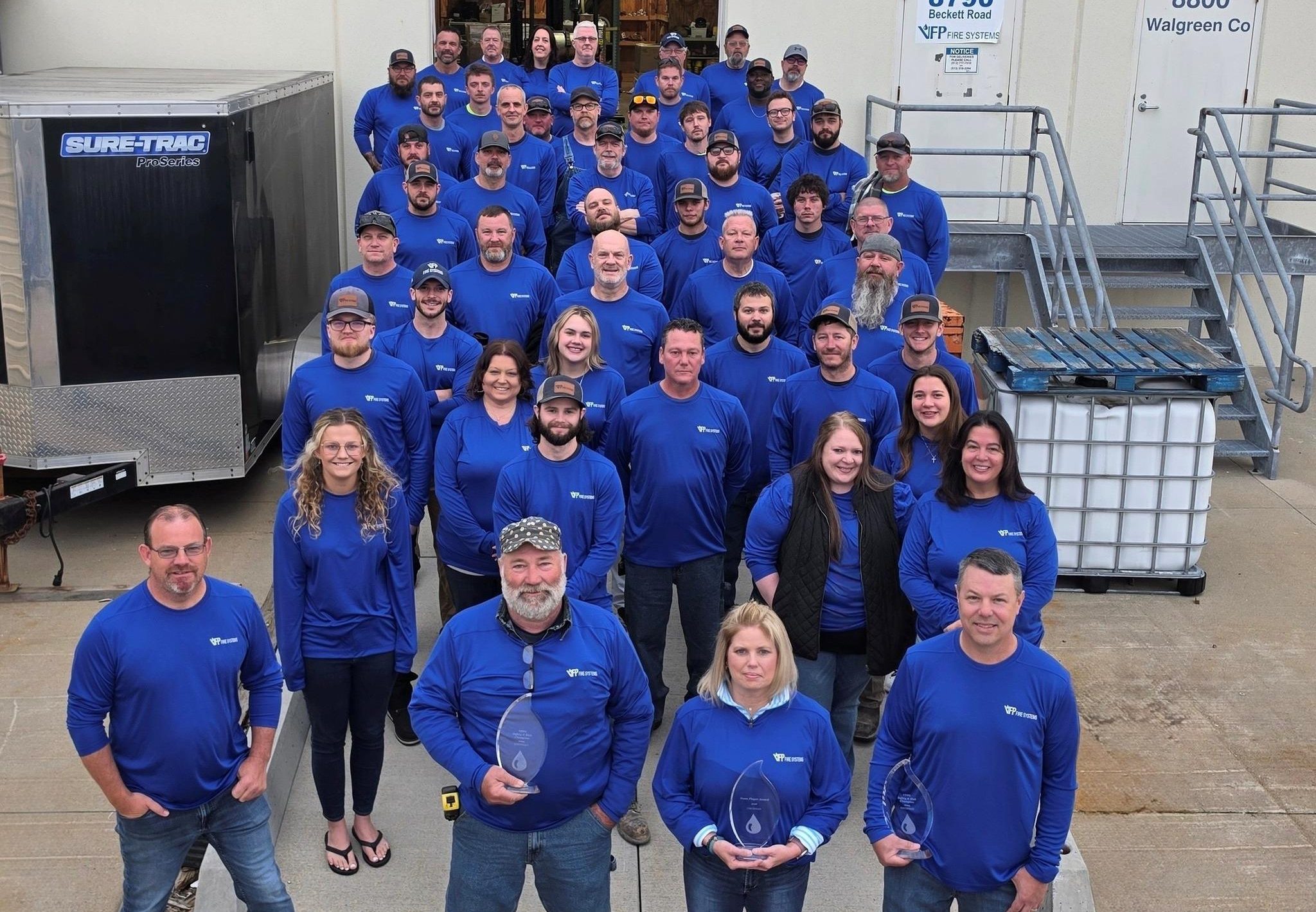
The VFP Fire Cincinnati team celebrated another successful year of safety performance while recognizing the achievement of earning a Safety Award for the third consecutive year. Discussions included key safety performance indicators and how every team member contributes to maintaining a safe work environment. Most importantly, the team reinforced a simple but powerful goal: ensuring every employee returns home safely at the end of each day.

VFP Fire Cincinnati Safety Week

Why Safety Matters to Our Customers

Customers trust fire protection providers to safeguard their buildings, employees, visitors, and assets. That trust should extend to the way work is performed as well.

A contractor with a strong safety culture often delivers benefits that extend beyond jobsite safety, including:

  • Better project planning and execution
  • Improved communication and accountability
  • Reduced risk and fewer disruptions
  • Higher quality workmanship
  • Greater consistency across projects
  • Stronger long-term partnerships

When safety becomes part of an organization’s culture, it influences everything from project management and training to customer service and operational excellence.

Safety Is a Year-Round Commitment

While Construction Safety Week provides an opportunity to highlight important safety topics, our commitment does not begin or end with a single event. Every inspection, service call, design project, and installation is performed with the goal of protecting people—both our employees and the customers we serve.

As we reflect on another successful Safety Week, we are proud of the teams across VFPG who continue to make safety a daily priority. Their dedication helps strengthen our culture, support our customers, and ensure that everyone goes home safely at the end of the day.

Because protecting lives starts with the people doing the work.