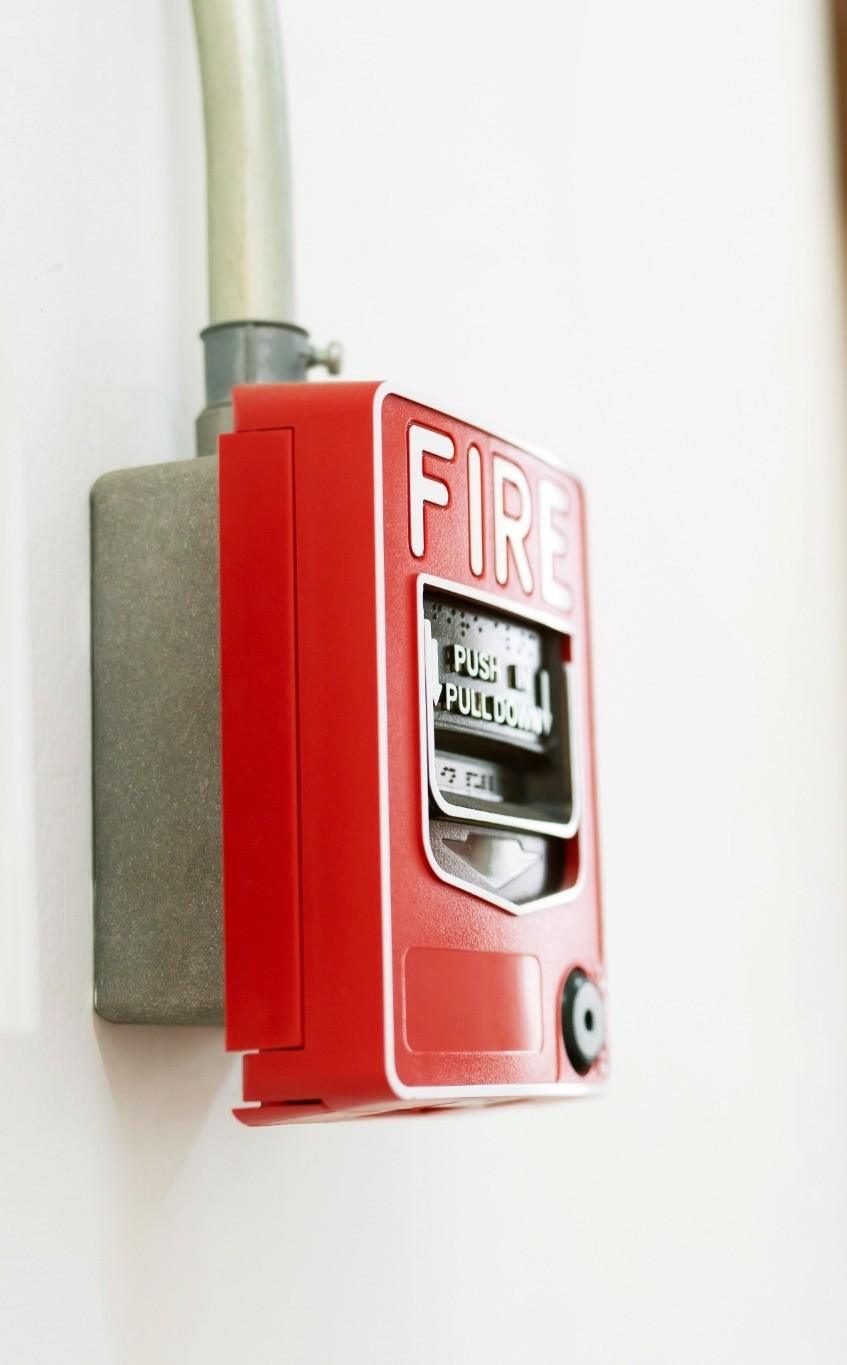
When a fire starts in a commercial building, every second counts. A small, manageable fire can quickly grow into a life-threatening emergency, producing heat, smoke, and toxic gases long before flames spread throughout the facility. Early detection is often the difference between a minor incident and a catastrophic loss.
Commercial fire alarm systems are designed to detect fires in their earliest stages, alert building occupants, activate other life safety systems, and notify emergency responders. These critical seconds allow people to evacuate safely while giving firefighters the opportunity to respond before a fire causes significant damage.
Whether you manage an office building, warehouse, manufacturing facility, healthcare campus, school, retail center, or hotel, a professionally designed fire alarm system is one of the most important investments you can make to protect your people, property, and business operations.
Why Every Second Matters During a Fire
Many commercial fires begin unnoticed. An overheated electrical panel, malfunctioning equipment, or a smoldering material can generate smoke long before anyone sees visible flames.
Without an early warning system, occupants may not realize a fire has started until evacuation becomes far more difficult.
Early fire detection helps:
• Alert occupants immediately
• Initiate emergency evacuation
• Notify emergency responders
• Reduce fire growth
• Minimize smoke damage
• Protect valuable assets
• Reduce business interruption
• Improve overall life safety
The sooner a fire is detected, the greater the opportunity to control it before it spreads throughout the building.
How Commercial Fire Alarm Systems Work
Commercial fire alarm systems continuously monitor a building using a network of intelligent detection devices connected to a central fire alarm control panel.
When smoke, heat, or another fire condition is detected, the system immediately begins a coordinated emergency response.
Depending on the building’s design, a fire alarm system may:
• Activate audible alarms
• Trigger visual notification devices
• Broadcast voice evacuation instructions
• Notify a 24/7 monitoring center
• Alert the local fire department
• Monitor fire sprinkler activation
• Release fire doors
• Recall elevators
• Activate smoke control systems
• Unlock designated exit doors
Rather than functioning as a simple alarm, modern fire alarm systems serve as the command center for a building’s life safety systems.
The Importance of Early Detection
The primary purpose of a commercial fire alarm system is to detect developing fire conditions before they become uncontrollable.
Early detection provides valuable time for:
• Safe occupant evacuation
• Emergency response
• Fire suppression
• Property protection
• Business continuity planning
In many situations, these additional minutes can dramatically reduce injuries, property damage, and operational downtime.
Fire Alarm Systems and Fire Sprinklers Work Together
Fire alarms and fire sprinkler systems perform different—but complementary—functions.
Fire alarm systems:
• Detect fire conditions
• Notify occupants
• Coordinate emergency response
• Activate life safety systems
Fire sprinkler systems:
• Control or suppress the fire
• Reduce heat release
• Slow fire spread
• Minimize property damage
Together, these systems create multiple layers of protection that significantly improve building safety.
The Role of Fire Alarm Monitoring
Detection alone is not enough if no one receives the alarm signal.
Professional fire alarm monitoring ensures alarm signals are transmitted immediately to a UL-listed monitoring center where trained operators can notify emergency responders.
Benefits of monitoring include:
• Around-the-clock protection
• Faster emergency notification
• Protection during nights and weekends
• Reduced dependence on on-site personnel
• Greater peace of mind for building owners
Monitoring is particularly valuable for facilities that operate after hours or have limited occupancy during evenings and weekends.
Modern Fire Alarm Systems Do More Than Sound an Alarm
Today’s commercial fire alarm systems are far more advanced than older systems.
Depending on the facility, they may integrate with:
• Fire sprinkler systems
• Fire pumps
• Smoke control systems
• Building automation systems
• Security systems
• Access control
• Emergency communication systems
• Elevator controls
• Emergency lighting
This integration allows multiple building systems to respond simultaneously during an emergency.
Choosing the Right Detection Devices
Commercial buildings often require multiple types of initiating devices based on occupancy and hazards.
Common detection devices include:
Smoke Detectors
Designed to identify smoke particles during the earliest stages of a fire.
Heat Detectors
Ideal for environments where dust, steam, or humidity could cause nuisance smoke alarms.
Beam Detectors
Protect large open spaces such as warehouses, atriums, gymnasiums, and manufacturing facilities.
Aspirating Smoke Detection
Provides extremely early warning in mission-critical environments including:
• Data centers
• Telecommunications facilities
• Museums
• Archives
• Clean rooms
Selecting the proper detection technology helps maximize reliability while reducing false alarms.
Industries That Depend on Fire Alarm Systems
Nearly every commercial occupancy relies on fire alarm systems.
Common industries include:
• Healthcare
• Education
• Manufacturing
• Warehousing
• Property Management
• Hospitality
• Retail
• Industrial Facilities
• Government Buildings
• Data Centers
Each occupancy has unique fire protection requirements that influence system design and inspection schedules.
Routine Inspections Help Ensure Reliable Performance
Like any life safety system, commercial fire alarm systems require routine inspection, testing, and maintenance.
Preventive maintenance helps verify:
• Detector operation
• Notification appliance performance
• Battery backup
• Communication reliability
• Fire alarm control panel functionality
• Monitoring connections
• Device sensitivity
• System documentation
Routine inspections also help identify aging equipment and potential issues before they become system failures.
Understanding NFPA Requirements
Commercial fire alarm systems are designed, installed, and maintained in accordance with nationally recognized standards.
Frequently referenced codes include:
• NFPA 72 – National Fire Alarm and Signaling Code
• NFPA 70 – National Electrical Code
• NFPA 101 – Life Safety Code
Local Authorities Having Jurisdiction (AHJs) may also establish additional requirements based on occupancy, building size, and local ordinances.
Common Fire Alarm Misconceptions
Several myths continue to create confusion about commercial fire alarm systems.
Myth: Fire alarms only alert building occupants.
Reality: Modern systems may also activate building systems, notify monitoring centers, and communicate with emergency responders.
Myth: Fire alarms eliminate the need for sprinkler systems.
Reality: Fire alarms detect the emergency, while sprinkler systems help control or suppress the fire.
Myth: Fire alarm systems require very little maintenance.
Reality: Routine inspections and testing are required to ensure reliable operation and ongoing code compliance.
Planning for Future Growth
As facilities expand or change occupancy, fire alarm systems should be evaluated to ensure they continue meeting operational and code requirements.
Building modifications that often require system updates include:
• Tenant improvements
• Building additions
• Warehouse expansions
• Office renovations
• Manufacturing process changes
• Occupancy reclassifications
Planning for future growth during system design can simplify future upgrades and reduce long-term costs.
Protect Your Facility with a Professionally Designed Fire Alarm System
Commercial fire alarm systems provide the early warning necessary to protect occupants, reduce property damage, and support faster emergency response. Combined with fire sprinkler systems, monitoring, and routine inspections, they form the foundation of a comprehensive commercial fire protection strategy.
Whether you’re constructing a new building, modernizing an aging fire alarm system, or expanding your facility, we provide complete fire alarm engineering, design, installation, inspections, testing, monitoring, maintenance, and repair services. Our experienced team works closely with building owners, facility managers, contractors, and engineers to deliver reliable fire alarm solutions that help keep your business safe, compliant, and prepared for the unexpected.