Selecting the right fire sprinkler system is one of the most important decisions for protecting a commercial building. While there are several types of fire sprinkler systems available, wet pipe and dry pipe sprinkler systems are by far the two most common. Both are highly effective fire protection solutions, but they are designed for different environments and operating conditions.
Choosing the wrong system can increase installation costs, create maintenance challenges, or even reduce system reliability. Understanding the differences between wet and dry pipe sprinkler systems helps building owners, facility managers, architects, and contractors make informed decisions that improve fire protection while supporting long-term compliance.
This guide explains how wet pipe and dry pipe sprinkler systems work, their advantages and disadvantages, where each system is commonly installed, and the factors you should consider before making a decision.
Why Choosing the Right Sprinkler System Matters
Fire sprinkler systems are not one-size-fits-all solutions.
The best system for your building depends on several factors, including:
• Climate
• Building occupancy
• Fire hazards
• Water supply
• Operating environment
• Maintenance requirements
• Future building expansion
• Applicable fire codes
Selecting the appropriate sprinkler system helps maximize fire protection while minimizing long-term operating costs.
What Is a Wet Pipe Fire Sprinkler System?
A wet pipe fire sprinkler system is the most common type of commercial sprinkler system installed today.
In a wet pipe system, the sprinkler piping is constantly filled with pressurized water. When heat from a fire activates a sprinkler head, water immediately discharges onto the fire.
Because water is already present inside the piping, wet pipe systems provide the fastest fire suppression response of any traditional sprinkler system.
Advantages of Wet Pipe Systems
Wet pipe systems offer numerous benefits.
Advantages include:
• Immediate water discharge
• Simple system design
• High reliability
• Lower installation costs
• Lower maintenance requirements
• Fewer mechanical components
• Proven long-term performance
These benefits make wet pipe systems the preferred choice for most heated commercial buildings.
Common Wet Pipe Applications
Wet pipe systems are commonly installed in:
• Office buildings
• Schools
• Healthcare facilities
• Hotels
• Apartment buildings
• Retail centers
• Government buildings
• Commercial office campuses
As long as interior temperatures remain above freezing, wet pipe systems typically provide the most efficient solution.
What Is a Dry Pipe Fire Sprinkler System?
Dry pipe sprinkler systems are specifically designed for areas where freezing temperatures could damage water-filled piping.
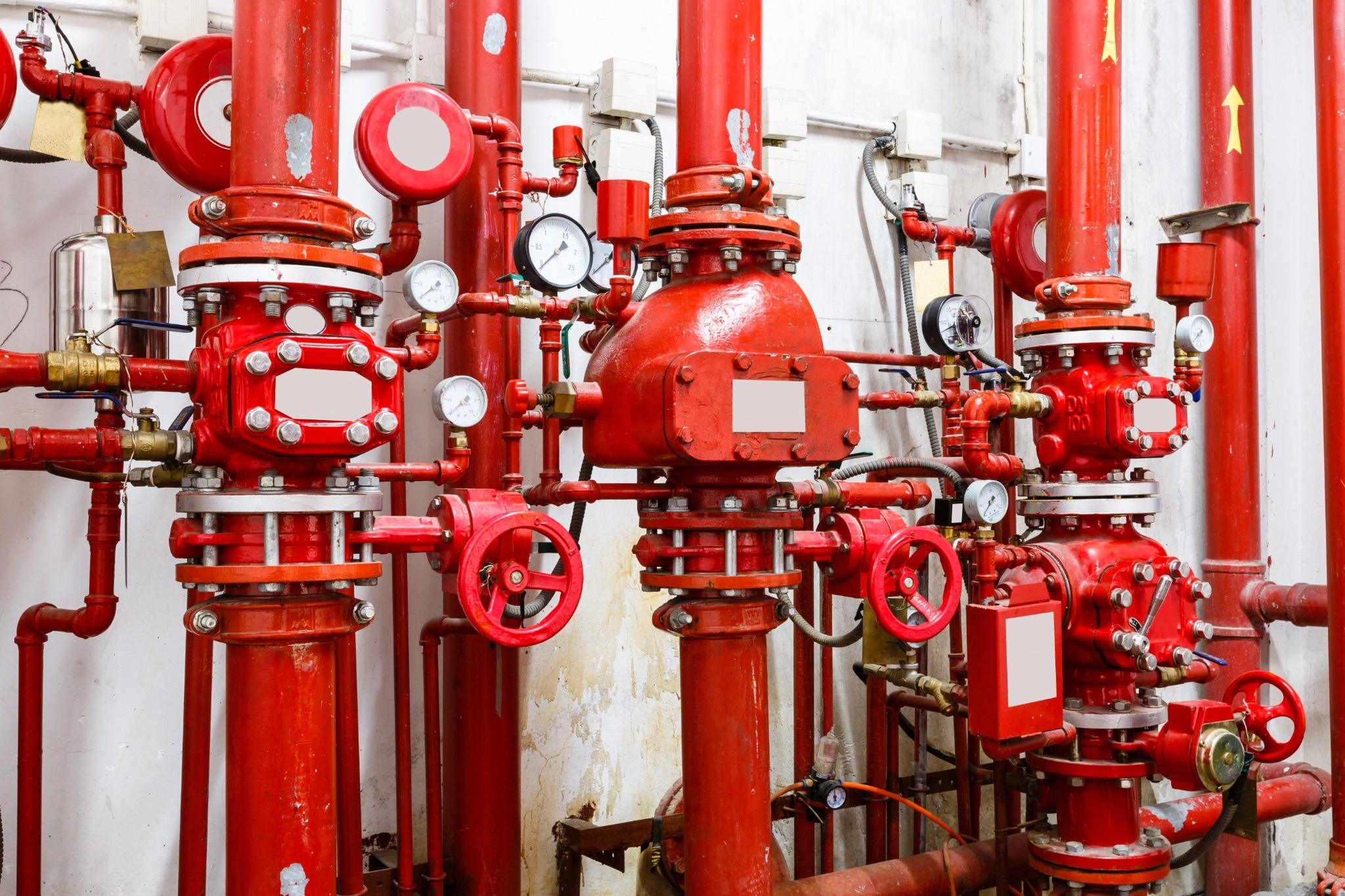
Instead of water, dry pipe systems contain pressurized air or nitrogen inside the piping.
When a sprinkler head activates:
1. Air pressure is released.
2. The dry pipe valve opens.
3. Water enters the piping.
4. Water reaches the activated sprinkler head.
Although this process takes slightly longer than a wet pipe system, it prevents frozen pipes and costly water damage in cold environments.
Advantages of Dry Pipe Systems
Dry pipe systems provide several important benefits.
Advantages include:
• Freeze protection
• Reliable fire protection in cold environments
• Reduced risk of burst pipes
• Suitable for seasonal or unheated facilities
• Long-term protection for temperature-sensitive spaces
They are the preferred solution whenever freezing temperatures are possible.
Common Dry Pipe Applications
Dry pipe systems are frequently installed in:
• Parking garages
• Loading docks
• Exterior canopies
• Cold storage warehouses
• Refrigerated facilities
• Freezer buildings
• Unheated warehouses
• Attics
• Outdoor storage structures
These environments would present significant freeze risks for traditional wet pipe systems.
Key Differences Between Wet and Dry Pipe Systems
Although both systems suppress fires effectively, they operate differently.
Water Inside the Pipes
Wet Pipe:
Water remains inside the piping at all times.
Dry Pipe:
Pressurized air or nitrogen remains inside the piping until activation.
Response Time
Wet Pipe:
Provides the fastest response because water is already available.
Dry Pipe:
Experiences a slight delay while water fills the piping after activation.
Installation Complexity
Wet Pipe:
Simpler design with fewer mechanical components.
Dry Pipe:
More complex due to dry pipe valves, air compressors, and supervisory equipment.
Maintenance Requirements
Wet Pipe:
Generally requires less maintenance.
Dry Pipe:
Requires additional inspection and maintenance of air compressors, valves, and supervisory devices.
Freeze Protection
Wet Pipe:
Not suitable for freezing environments.
Dry Pipe:
Specifically designed for freezing conditions.
Which System Costs Less?
In most situations, wet pipe systems have lower installation and maintenance costs.
Their simpler design generally means:
• Fewer components
• Lower labor costs
• Reduced maintenance
• Easier inspections
Dry pipe systems usually involve higher initial costs because of additional equipment, including:
• Dry pipe valves
• Air compressors
• Supervisory controls
• Additional testing requirements
However, those costs are often justified when freeze protection is necessary.
Can One Building Have Both Systems?
Yes.
Many commercial buildings utilize both wet and dry pipe sprinkler systems.
For example:
• Heated office areas may utilize wet pipe systems.
• Loading docks may utilize dry pipe systems.
• Parking garages may utilize dry pipe systems.
• Warehouse offices may utilize wet pipe systems.
• Exterior canopies may utilize dry pipe systems.
Using multiple system types allows each portion of the building to receive the most appropriate protection.
When Should You Consider Another Sprinkler System?
Although wet and dry systems are the most common, other applications may require specialized protection.
Examples include:
Pre-Action Fire Sprinkler Systems
Ideal for data centers, museums, archives, and mission-critical facilities where accidental water discharge must be minimized.
Deluge Fire Sprinkler Systems
Designed for high-hazard industrial occupancies involving rapidly spreading fires.
ESFR Fire Sprinkler Systems
Engineered specifically for modern warehouses with high-piled storage.
In-Rack Fire Sprinkler Systems
Installed directly within warehouse storage racks to improve fire suppression performance.
Quell Fire Sprinkler Systems
Designed for cold storage warehouses and facilities storing expanded plastics and other challenging commodities.
Routine Inspections Are Essential
Regardless of which sprinkler system is installed, regular inspections help ensure reliable operation.
Routine services include:
• Visual inspections
• Main drain testing
• Waterflow testing
• Valve inspections
• Fire pump testing
• Air pressure verification (dry systems)
• Compressor inspections (dry systems)
• Five-year obstruction investigations
• Internal pipe inspections
Preventive maintenance helps identify deficiencies before they become costly emergencies.
Applicable NFPA Standards
Commercial sprinkler systems are designed and maintained according to nationally recognized fire protection standards.
Commonly referenced standards include:
• NFPA 13 – Installation of Sprinkler Systems
• NFPA 25 – Inspection, Testing, and Maintenance of Water-Based Fire Protection Systems
• NFPA 20 – Installation of Fire Pumps
Additional requirements may be established by state and local building codes, insurance carriers, and the local Authority Having Jurisdiction (AHJ).
Choosing the Best System for Your Facility
Selecting the right sprinkler system requires evaluating both your current operations and future plans.
Questions to consider include:
• Will any areas experience freezing temperatures?
• What type of occupancy is the building?
• What commodities are being stored?
• Are hazardous processes present?
• Is future expansion planned?
• Does the building require specialized suppression?
• Are additional fire pumps necessary?
• What are the local code requirements?
A professional fire protection evaluation helps ensure the system selected provides dependable protection while supporting long-term compliance.
Protect Your Building with the Right Fire Sprinkler System
Both wet pipe and dry pipe sprinkler systems provide highly effective fire protection when installed in the appropriate environment. Choosing the right system depends on your building’s occupancy, environmental conditions, operational needs, and long-term growth plans. Working with experienced fire protection professionals helps ensure your system is properly engineered, installed, and maintained for years of reliable performance.
Whether you’re planning new construction, renovating an existing building, expanding warehouse operations, or upgrading aging fire protection equipment, we provide complete engineering, design, installation, inspections, testing, maintenance, repairs, and emergency service for commercial fire sprinkler systems. Our experienced team can evaluate your facility and recommend the fire protection solution that best meets your operational needs while helping keep your building safe and code compliant.