
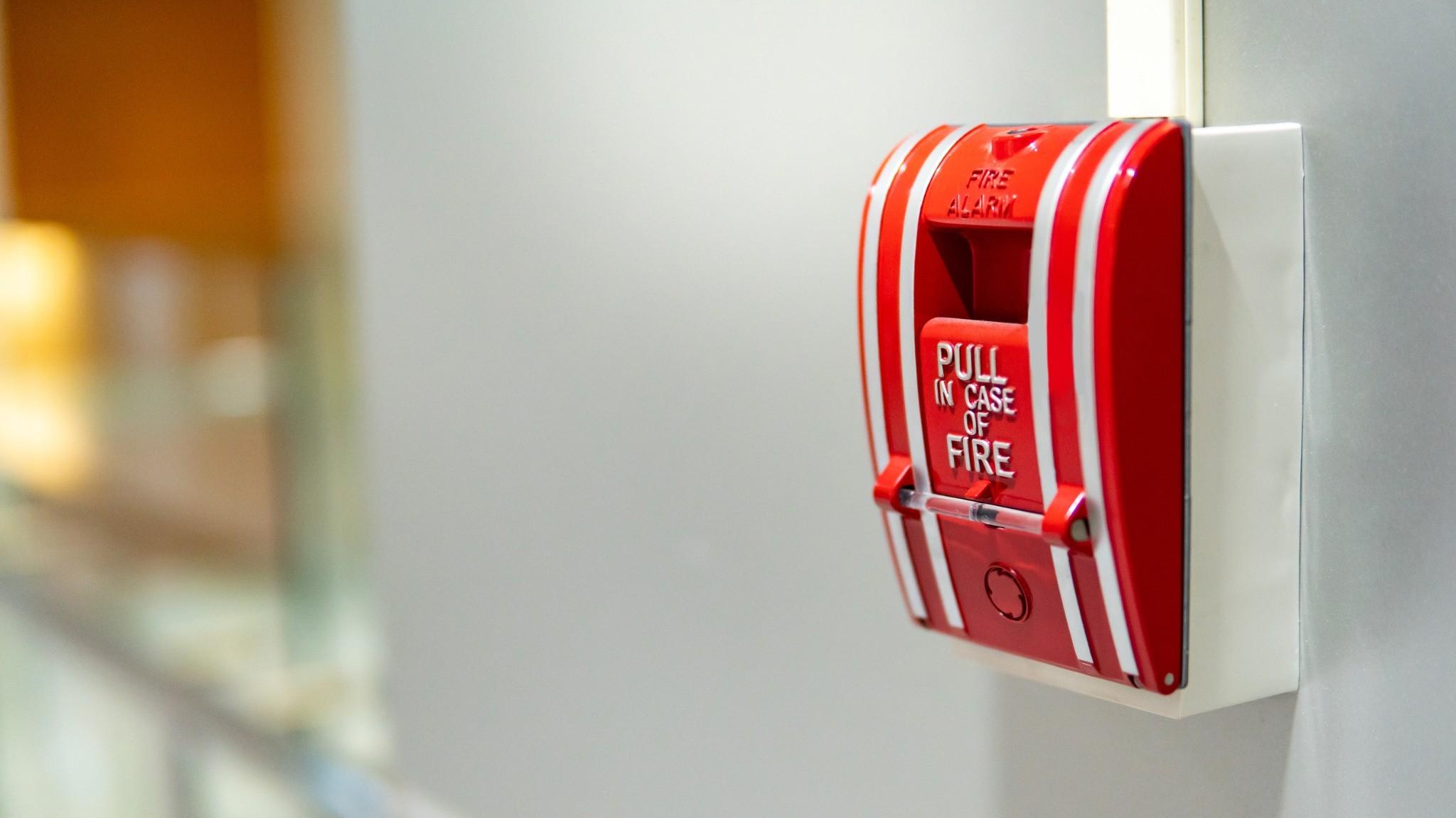
A commercial fire alarm system is one of the most important life safety systems in any building. When properly designed and installed, it provides early fire detection, alerts occupants, notifies emergency responders, and integrates with other critical fire protection systems. However, even the most advanced fire alarm equipment can fail to perform as intended if it is installed incorrectly.
Fire alarm installation mistakes can lead to failed inspections, code violations, false alarms, delayed emergency response, and costly repairs. In some cases, improper installation may even place occupants and property at unnecessary risk.
Whether you’re planning a new construction project, renovating an existing facility, or upgrading an aging fire alarm system, understanding these common installation mistakes can help ensure your project remains compliant and your building stays protected.
Why Proper Fire Alarm Installation Matters
Commercial fire alarm systems are designed to operate as a complete life safety network. Every detector, notification appliance, control panel, and monitoring connection must function together to provide reliable fire detection and occupant notification.
Proper installation helps ensure:
• Early fire detection
• Reliable occupant notification
• Compliance with applicable fire codes
• Integration with other building systems
• Faster emergency response
• Fewer nuisance alarms
• Easier inspections and maintenance
• Long-term system reliability
Working with experienced fire protection professionals helps reduce installation issues while ensuring your system performs as intended.
Mistake #1 – Choosing the Wrong Type of Fire Alarm System
Not every commercial building requires the same fire alarm system.
Selecting equipment without considering the building’s occupancy, hazards, size, and future growth can create operational challenges and increase long-term costs.
Factors that should influence system selection include:
• Occupancy classification
• Building size
• Number of occupants
• Fire hazards
• Future expansion
• Monitoring requirements
• Applicable codes
Choosing the appropriate system from the beginning helps avoid expensive upgrades later.
Mistake #2 – Poor Detector Placement
Detector location is one of the most critical aspects of fire alarm design.
Improper placement can delay fire detection or increase nuisance alarms.
Common placement mistakes include:
• Installing detectors too close to HVAC vents
• Placing detectors near cooking equipment
• Failing to account for ceiling height
• Ignoring airflow patterns
• Installing detectors behind obstructions
• Using the wrong detector type for the environment
Professional system design helps ensure detection devices are installed where they will provide the fastest and most reliable response.
Mistake #3 – Inadequate Notification Coverage
Occupants cannot respond to an emergency if they never receive the alarm.
Notification appliances must be properly located to ensure alarm signals are both seen and heard throughout the building.
This may include:
• Horns
• Strobes
• Horn/strobe combinations
• Speaker systems
• Voice evacuation systems
Coverage should account for building layout, occupancy type, ambient noise levels, and accessibility requirements.
Mistake #4 – Failing to Coordinate with Other Building Systems
Modern commercial fire alarm systems are designed to work alongside numerous life safety systems.
Failure to coordinate these systems during installation can reduce overall performance.
Common integrations include:
• Fire sprinkler systems
• Fire pumps
• Smoke control systems
• Elevator recall
• Security systems
• Access control
• Emergency lighting
• Building automation systems
Proper coordination improves emergency response while simplifying future inspections and maintenance.
Mistake #5 – Overlooking Fire Alarm Monitoring
Some building owners focus solely on local notification without considering how emergency responders will be notified.
Professional fire alarm monitoring allows alarm signals to be transmitted immediately to a UL-listed monitoring center where trained operators can contact emergency responders.
Monitoring provides:
• 24/7 protection
• Faster emergency notification
• Protection during unoccupied hours
• Reduced dependence on building personnel
• Greater peace of mind
In many occupancies, monitoring is an essential part of a complete fire protection strategy.
Mistake #6 – Ignoring Future Building Expansion
Commercial facilities often evolve over time.
A fire alarm system that cannot accommodate future changes may require expensive modifications later.
Future planning should consider:
• Tenant improvements
• Building additions
• Warehouse expansion
• Office renovations
• Manufacturing changes
• Occupancy changes
• Additional devices
Scalable system design helps reduce future upgrade costs while supporting long-term growth.
Mistake #7 – Improper Documentation
Accurate documentation is just as important as proper installation.
Missing or incomplete documentation can delay inspections, complicate future maintenance, and make troubleshooting more difficult.
Important project documentation includes:
• System drawings
• Device locations
• Wiring diagrams
• Battery calculations
• Equipment specifications
• Test reports
• Programming information
• Owner manuals
Maintaining complete records benefits both building owners and future service providers.
Mistake #8 – Skipping Comprehensive System Testing
Every commercial fire alarm system should undergo thorough acceptance testing before it is placed into service.
Testing verifies that every component performs properly and that the entire system functions as designed.
Acceptance testing often includes:
• Smoke detector testing
• Heat detector testing
• Notification appliance testing
• Manual pull station testing
• Monitoring verification
• Battery testing
• Emergency power testing
• System programming verification
Testing should never be viewed as a final step to rush through—it is one of the most important phases of the installation process.
Mistake #9 – Neglecting Inspection and Maintenance Planning
Installation is only the beginning of a fire alarm system’s lifecycle.
Routine inspections and maintenance help ensure continued compliance and reliable performance.
Preventive maintenance typically includes:
• Annual inspections
• Functional testing
• Battery replacement
• Detector cleaning
• Sensitivity testing
• Monitoring verification
• Software updates when applicable
Planning for ongoing maintenance during installation helps simplify long-term system management.
Mistake #10 – Hiring Inexperienced Contractors
Commercial fire alarm systems require specialized knowledge of fire codes, engineering principles, installation practices, and system integration.
Choosing an inexperienced contractor may result in:
• Failed inspections
• Code violations
• Increased project costs
• System reliability issues
• Delayed occupancy
• Costly rework
Working with qualified fire protection professionals helps ensure your system is designed, installed, and tested correctly from the start.
Understanding Applicable Fire Alarm Codes
Commercial fire alarm systems must comply with numerous nationally recognized standards.
Commonly referenced requirements include:
• NFPA 72 – National Fire Alarm and Signaling Code
• NFPA 70 – National Electrical Code
• NFPA 101 – Life Safety Code
• International Building Code (IBC)
• Local fire codes
• Authority Having Jurisdiction (AHJ) requirements
Following these standards helps improve safety while reducing the likelihood of costly code violations.
Fire Alarm Systems Are Part of a Complete Fire Protection Strategy
Although fire alarm systems provide critical early warning, they are most effective when integrated with other fire protection systems.
A comprehensive fire protection program may include:
• Fire sprinkler systems
• Fire alarm monitoring
• Fire pumps
• Fire extinguishers
• Special hazard fire suppression systems
• Kitchen hood suppression systems
• Backflow preventers
• Emergency lighting
• Security and access control systems
Together, these systems provide multiple layers of protection that help reduce fire risk while protecting people, property, and business operations.
Partner with Fire Alarm Professionals
Proper fire alarm installation is about much more than meeting code requirements—it’s about protecting lives, minimizing property damage, and ensuring your building is prepared to respond during an emergency. Avoiding common installation mistakes can improve system reliability, reduce long-term maintenance costs, and simplify future inspections.
Whether you’re constructing a new commercial building, renovating an existing facility, or replacing an outdated fire alarm system, we provide complete fire alarm engineering, design, installation, inspections, testing, monitoring, maintenance, and repair services. Our experienced team works closely with owners, architects, engineers, contractors, and facility managers to deliver dependable fire alarm solutions that keep commercial facilities safe, compliant, and protected.