
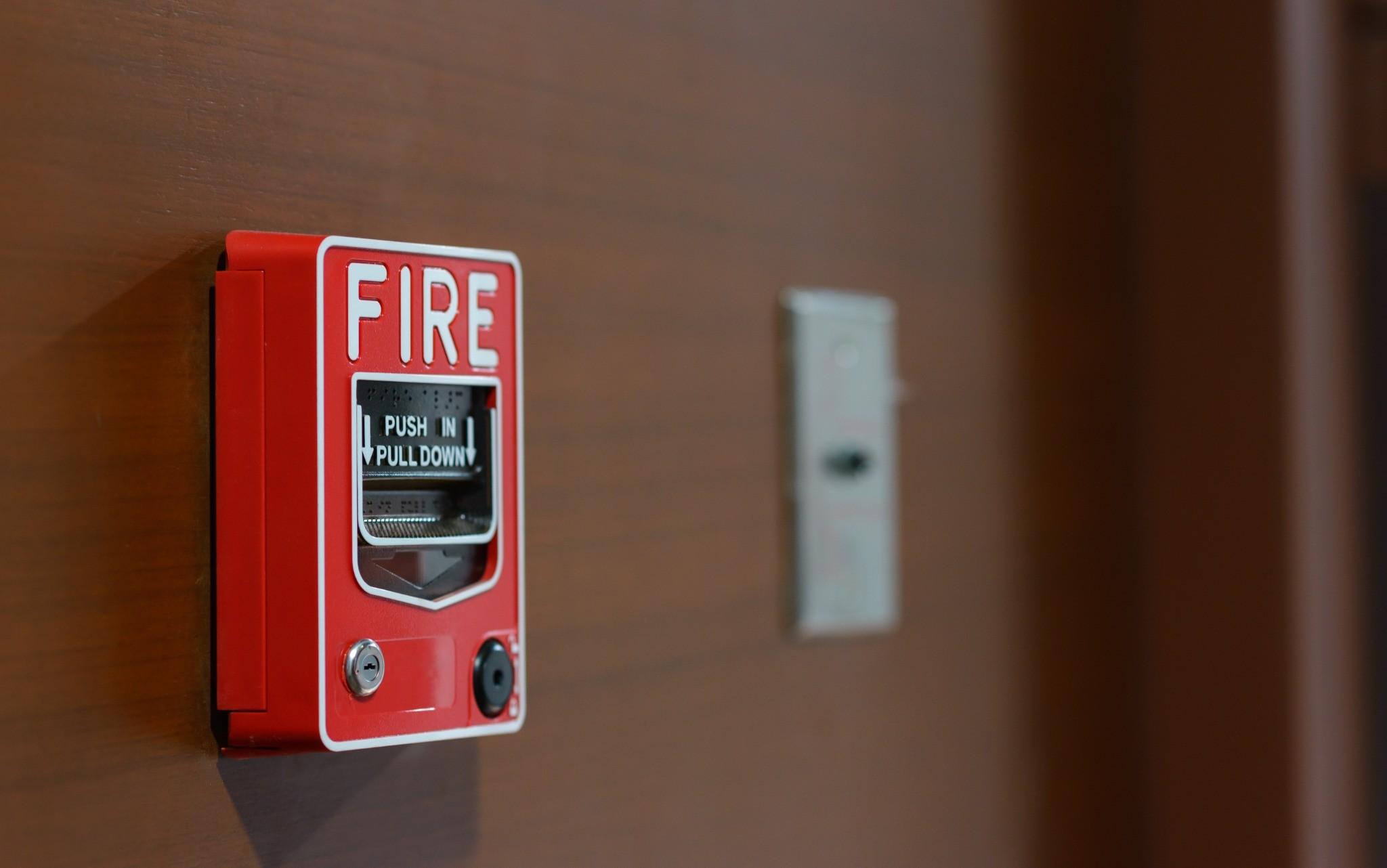
A commercial fire alarm system is much more than a collection of smoke detectors and notification devices. It is a carefully engineered life safety system designed to detect fire conditions, alert occupants, coordinate emergency response, and integrate with other critical building systems. A properly designed fire alarm system helps protect lives, minimize property damage, and ensure your facility complies with local fire codes and National Fire Protection Association (NFPA) standards.
No two commercial buildings are exactly alike. Occupancy type, building size, fire hazards, operations, and local code requirements all influence how a fire alarm system should be designed. Whether you’re constructing a new facility, renovating an existing building, or expanding your operations, investing in professional fire alarm design is one of the most important steps in creating a safe and code-compliant environment.
Why Fire Alarm System Design Matters
A fire alarm system is only as effective as its design. Even the highest-quality equipment cannot provide reliable protection if devices are improperly selected, incorrectly located, or poorly integrated with the building.
A professionally engineered system helps ensure:
• Early fire detection
• Reliable occupant notification
• Compliance with applicable fire codes
• Proper device placement
• Reduced false alarms
• Integration with other fire protection systems
• Long-term reliability
• Easier inspections and maintenance
Thoughtful design also allows systems to adapt as buildings grow and operational needs change.
Every Building Has Different Fire Protection Requirements
Fire alarm systems should never be designed using a one-size-fits-all approach. Every facility presents unique challenges that influence system layout and equipment selection.
Important design considerations include:
• Occupancy classification
• Building construction
• Floor plan and square footage
• Ceiling height
• Fire hazards
• Number of occupants
• Means of egress
• Environmental conditions
• Local Authority Having Jurisdiction (AHJ) requirements
• Future expansion plans
These factors help determine how the fire alarm system should be configured to provide the highest level of protection.
The Fire Alarm Design Process
Professional fire alarm design typically begins long before construction starts.
A typical design process includes:
• Reviewing architectural drawings
• Evaluating occupancy hazards
• Identifying code requirements
• Selecting detection technologies
• Performing device layouts
• Designing notification appliance placement
• Coordinating with other building systems
• Preparing construction drawings
• Completing required calculations
• Submitting plans for review
Proper planning reduces installation challenges while helping projects remain on schedule.
Selecting the Right Detection Devices
Every area of a building presents different fire risks. Selecting the appropriate initiating devices is essential for reliable system performance.
Common detection devices include:
Smoke Detectors
Provide early warning by detecting smoke generated during the initial stages of a fire.
Heat Detectors
Ideal for locations where dust, humidity, steam, or cooking vapors could create nuisance smoke alarms.
Beam Smoke Detectors
Protect large open spaces such as warehouses, manufacturing plants, atriums, and gymnasiums.
Aspirating Smoke Detection
Provides extremely early fire detection in mission-critical environments such as:
• Data centers
• Telecommunications facilities
• Clean rooms
• Museums
• Archives
• Control rooms
Selecting the appropriate technology helps improve detection speed while minimizing unwanted alarms.
Notification Appliances
Once a fire condition has been detected, building occupants must be notified quickly and clearly.
Modern fire alarm systems may include:
• Horns
• Strobes
• Speaker systems
• Voice evacuation systems
• Combination horn/strobes
• Mass notification systems
The appropriate notification method depends on building occupancy, occupant load, accessibility requirements, and applicable fire codes.
Integration with Other Building Systems
Today’s commercial fire alarm systems serve as the central communication hub for numerous life safety systems.
Fire alarm systems often integrate with:
• Fire sprinkler systems
• Fire alarm monitoring
• Fire pumps
• Smoke control systems
• Elevator controls
• Security systems
• Access control
• Emergency lighting
• Building automation systems
Coordinating these systems during the design phase improves emergency response while simplifying future maintenance.
Addressable vs. Conventional Fire Alarm Systems
Commercial facilities generally utilize one of two primary system architectures.
Conventional Fire Alarm Systems
Conventional systems divide buildings into zones, allowing responders to identify the general location of an alarm.
These systems are commonly used in:
• Small commercial buildings
• Simple occupancies
• Smaller retail facilities
Addressable Fire Alarm Systems
Addressable systems identify the exact device that has activated, allowing building personnel and emergency responders to locate incidents more quickly.
They offer advantages including:
• Faster troubleshooting
• Greater flexibility
• Easier expansion
• Improved diagnostics
• Enhanced monitoring capabilities
Most modern commercial buildings utilize addressable fire alarm systems because of their scalability and improved performance.
Fire Alarm Monitoring Should Be Part of the Design
Fire alarm monitoring should be considered during the initial design process rather than added later.
Monitoring allows alarm signals to be transmitted automatically to a UL-listed monitoring center where trained operators can notify emergency responders.
Benefits include:
• 24/7 monitoring
• Faster emergency response
• Protection during unoccupied hours
• Improved business continuity
• Reduced dependence on building personnel
Integrating monitoring from the beginning helps create a more complete fire protection strategy.
Code Compliance Is a Critical Design Objective
Commercial fire alarm systems must comply with numerous codes and standards.
Frequently referenced requirements include:
• NFPA 72 – National Fire Alarm and Signaling Code
• NFPA 70 – National Electrical Code
• NFPA 101 – Life Safety Code
• International Building Code (IBC)
• Local fire codes
• Insurance carrier requirements
The local Authority Having Jurisdiction (AHJ) has final approval over many fire alarm installations, making code compliance a critical part of the design process.
Planning for Future Expansion
Buildings rarely remain unchanged throughout their lifespan.
A properly designed fire alarm system should accommodate:
• Building additions
• Tenant improvements
• Occupancy changes
• Warehouse expansions
• Manufacturing process modifications
• Office renovations
• Technology upgrades
Planning for future expansion during the initial design phase can significantly reduce future upgrade costs.
The Value of Professional Fire Alarm Engineering
Experienced fire protection professionals understand how to balance life safety, code compliance, operational needs, and long-term reliability.
Professional engineering helps:
• Improve occupant safety
• Reduce costly redesigns
• Simplify permitting
• Improve installation efficiency
• Reduce false alarms
• Support future growth
• Simplify inspections
• Extend system life
Choosing experienced fire protection professionals early in the project often results in better-performing systems and smoother construction.
Complete Fire Protection Starts with Proper Design
Fire alarm design is the foundation of an effective commercial fire protection program. A properly engineered system provides reliable detection, clear occupant notification, seamless integration with other life safety systems, and long-term compliance with applicable codes and standards.
Whether you’re constructing a new commercial facility, modernizing an existing building, or planning future expansion, we provide complete fire alarm engineering, design, installation, inspections, testing, monitoring, maintenance, and repair services. Our experienced team works closely with architects, engineers, contractors, facility managers, and building owners to design fire alarm systems that protect people, property, and business operations for years to come.