Winter weather can create serious risks for commercial fire protection systems. Freezing temperatures can cause sprinkler pipes to burst, valves to malfunction, and entire systems to fail—often without warning. For facility managers responsible for protecting buildings, people, and operations, winter preparation is a critical part of maintaining life safety systems.
We work directly with facility managers to prepare fire protection systems for cold weather. Our technicians inspect, service, and maintain sprinkler systems and related equipment to reduce the risk of freeze damage and ensure systems remain compliant with fire safety codes.
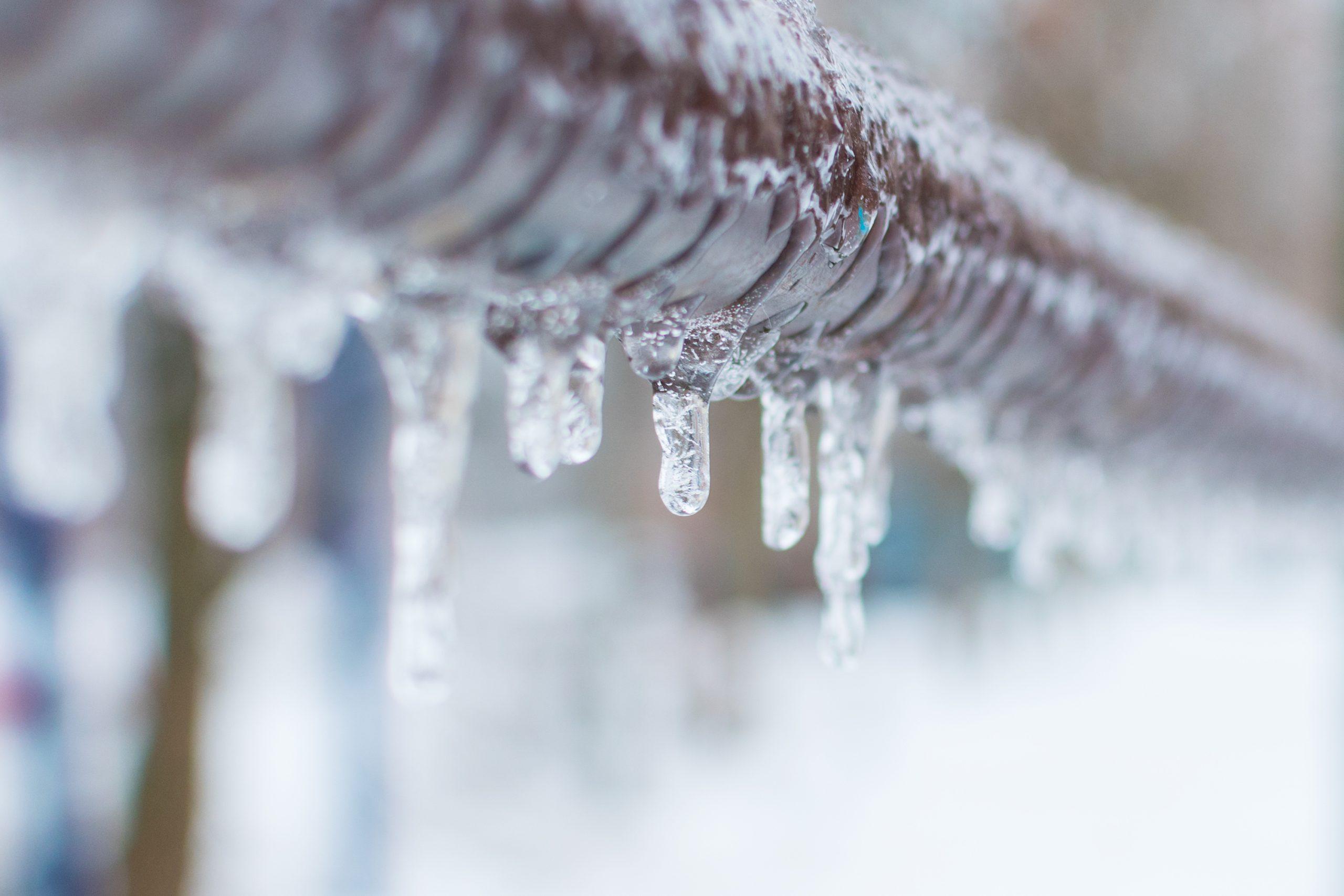
One of the most common winter sprinkler problems occurs when water freezes inside piping. This often happens when water accumulates in dry pipe systems or when wet pipe systems are installed in areas that are not adequately heated. When water freezes inside pipes, it expands and can cause severe damage to sprinkler components and piping.
Rather than leaving facility teams to manage these risks alone, we provides comprehensive winter preparedness services that help ensure fire protection systems remain operational throughout the coldest months of the year.
Fire Protection Winterization Services for Facility Managers
Preparing fire protection systems for winter requires careful inspection of both the sprinkler system and the building environment surrounding it. Our team evaluates the entire system to identify areas where freezing conditions may occur and implements solutions that protect the system. We help facility managers winterize fire protection systems by providing services such as:
- Comprehensive fire sprinkler system inspections
- Identification of vulnerable piping areas exposed to cold temperatures
- Insulation and freeze protection assessments for sprinkler piping
- Inspection and service of wet pipe and dry pipe systems
- Hydrant, backflow preventer, and fire department connection inspections
- Low-temperature alarm and monitoring solutions
- NFPA-compliant inspection, testing, and maintenance programs
These services allow facility managers to proactively address winter risks before they lead to system failures or property damage.
Protecting Wet Pipe Fire Sprinkler Systems
Wet pipe sprinkler systems are the most common type of fire protection system used in commercial buildings. Because these systems contain water in the pipes at all times, they are especially vulnerable to freezing temperatures. Our technicians help facility managers protect wet pipe systems by identifying areas where freezing may occur and implementing preventative solutions:
Key winter preparation services include:
- Verifying building temperatures remain above 40°F in areas containing sprinkler piping
- Inspecting riser rooms, mechanical spaces, and ceiling voids for freeze risks
- Identifying cold spots near loading docks, exterior walls, attics, and crawl spaces
- Inspecting and improving insulation around exposed piping
- Evaluating building openings or air leaks that allow cold air infiltration
- Inspecting heat tracing systems used to protect piping
- Installing or verifying low temperature monitoring systems
These inspections help ensure that sprinkler piping remains protected from freezing temperatures throughout the building.
Maintaining Dry Pipe Fire Sprinkler Systems
Dry pipe sprinkler systems are designed for areas where temperatures cannot be reliably maintained above freezing. While these systems are designed for cold environments, they still require maintenance to prevent freeze-related failures. Our technicians perform specialized inspections and service on dry pipe systems to help ensure they function properly throughout winter:
- Services provided include:
- Verifying heated conditions in dry pipe valve rooms and fire pump rooms
- Inspecting air compressors and air supply systems
- Identifying moisture buildup that could freeze inside piping
- Servicing low point drains to remove trapped condensation
- Inspecting piping pitch to ensure proper drainage
- Repairing air leaks that could cause system pressure loss
- Evaluating the need for air dryers or nitrogen systems to reduce moisture
By removing trapped moisture and ensuring proper system operation, these services help reduce the risk of frozen pipes and system failures.
Protecting Hydrants, Backflows, and Exterior Fire Protection Equipment
Exterior fire protection equipment is also vulnerable to winter weather. Hydrants, backflow preventers, and fire department connections must remain accessible and operational in order to support emergency response. We help facility managers prepare exterior fire protection infrastructure by providing services such as:
- Inspecting private hydrants and fittings for proper operation
- Checking for signs of underground piping leaks near hydrants and valves
- Ensuring hydrants remain visible and accessible during snow conditions
- Inspecting and insulating outdoor backflow preventers
- Draining irrigation backflow systems before freezing temperatures arrive
- Inspecting fire department connections to ensure they remain accessible
These inspections help ensure that emergency responders can quickly access water supplies during a fire event, even in harsh winter conditions.
Additional Fire Protection Winter Maintenance
Many facilities also have additional fire protection equipment that requires winter preparation. We inspect and services these components to ensure reliable operation throughout the winter season. Our technicians can assist with:
- Testing antifreeze solution strength in sprinkler systems
- Inspecting gravity tanks and suction tanks used in fire protection systems
- Flushing heaters and water circulation equipment
- Verifying backup generators supporting fire protection equipment
- Monitoring heating equipment used to prevent freezing
These preventative maintenance services help ensure that all fire protection components remain functional during extreme weather conditions.
NFPA Compliance and Ongoing System Maintenance
Winterization is just one part of maintaining a reliable fire protection system. Facility managers are responsible for ensuring systems are inspected, tested, and maintained according to NFPA 25 requirements. We help facility managers maintain compliance by providing:
- Scheduled fire protection system inspections
- System testing and performance verification
- Maintenance and repair services
- Documentation and record keeping
- Fire protection system impairment management
These services help ensure fire protection systems remain compliant with national standards and local fire codes.
Partner With Viking Fire Protection Group for Winter Fire Protection Services
For facility managers, preparing fire protection systems for winter is an important part of protecting buildings, employees, and business operations. Freezing temperatures can cause costly damage and compromise life safety systems if proper precautions are not taken.
We provide the expertise, inspections, and service needed to help facility managers prepare their fire protection systems for winter. Our technicians identify risks, perform preventative maintenance, and ensure systems remain operational throughout the cold weather season.
If you want to ensure your fire protection systems are ready for winter, VFPG can help. Contact our team today to schedule a winter fire protection inspection and keep your facility protected all season long.