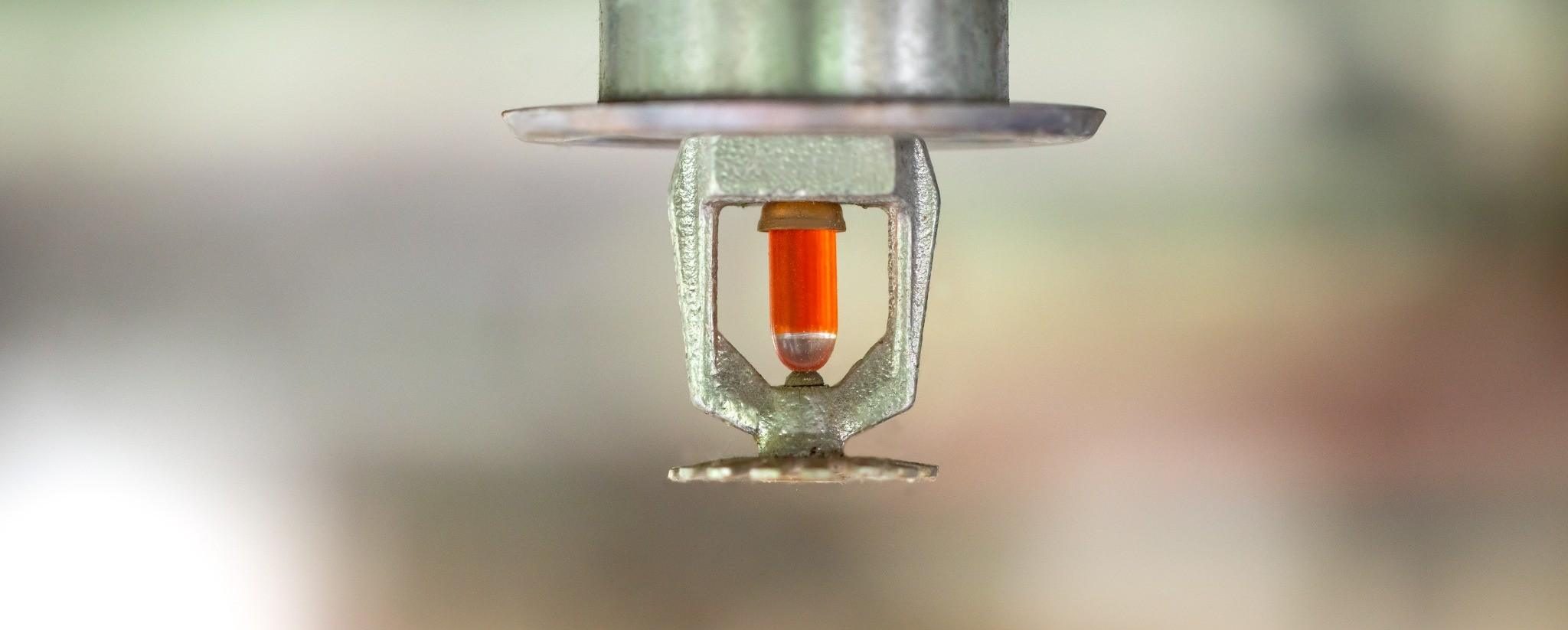
A commercial fire sprinkler system is one of the most dependable life safety systems found in a building—but only when it is properly maintained. Many property owners assume that because sprinkler systems rarely activate, they require little attention. In reality, fire sprinkler systems operate under constant pressure and are exposed to environmental conditions that can slowly reduce their reliability over time.
Corrosion, freezing temperatures, humidity, mechanical damage, changing building conditions, and deferred maintenance can all impact sprinkler system performance. Routine inspections and preventive maintenance help identify these issues long before they become expensive emergency repairs or code violations.
This guide explains everything commercial property owners and facility managers need to know about maintaining fire sprinkler systems, reducing repair costs, preventing failures, and maximizing the life of their investment.
Why Fire Sprinkler Maintenance Matters
Commercial fire sprinkler systems are designed to operate immediately during a fire emergency. Unlike other building systems that receive daily attention, sprinkler systems often remain unnoticed until something goes wrong.
Routine maintenance helps:
• Ensure reliable operation
• Maintain code compliance
• Prevent costly repairs
• Reduce business interruptions
• Extend system life
• Protect occupants
• Support insurance requirements
• Preserve property value
Preventive maintenance is significantly less expensive than emergency repairs following a system failure.
How Fire Sprinkler Systems Deteriorate Over Time
Even in buildings where sprinkler systems never activate, components naturally age.
Common causes of deterioration include:
• Internal corrosion
• External corrosion
• Mineral deposits
• Sediment buildup
• Vibration
• Temperature fluctuations
• Humidity
• Mechanical damage
• Aging valves
• Water quality
Without regular inspections, these conditions may remain hidden for years.
Environmental Conditions Affect Sprinkler Performance
Every commercial building exposes sprinkler systems to different operating conditions.
Some of the biggest environmental factors include:
Freezing Temperatures
Cold environments can damage water-filled piping if proper freeze protection is not provided.
Facilities commonly affected include:
• Parking garages
• Loading docks
• Exterior canopies
• Cold storage warehouses
• Unheated mechanical spaces
Dry pipe systems, insulation, heat tracing, and routine inspections help reduce freeze-related failures.
Humidity
High humidity accelerates corrosion, particularly in coastal regions and industrial facilities.
Excessive moisture may contribute to:
• Pipe corrosion
• Valve deterioration
• Sprinkler head damage
• Equipment failure
Dust and Debris
Warehouses, manufacturing facilities, and construction environments often expose sprinkler components to excessive dust.
Dust accumulation may:
• Obstruct sprinkler heads
• Conceal corrosion
• Affect inspections
• Delay deficiency identification
Chemical Exposure
Manufacturing facilities and industrial plants may expose sprinkler systems to corrosive chemicals that accelerate equipment deterioration.
These occupancies often benefit from more frequent inspections and corrosion monitoring.
Corrosion: The Hidden Threat Inside Fire Sprinkler Systems
One of the leading causes of sprinkler failures is internal corrosion.
Unlike visible damage, internal corrosion often develops unnoticed inside sprinkler piping.
Over time, corrosion can:
• Restrict water flow
• Cause pinhole leaks
• Damage sprinkler heads
• Reduce hydraulic performance
• Lead to emergency repairs
• Shorten system life
By the time corrosion becomes visible externally, significant internal damage may already exist.
Why Quarterly Inspections Matter
Some facility owners mistakenly believe annual inspections are sufficient.
However, quarterly inspections often identify developing problems long before annual inspections occur.
Quarterly services may include:
• Control valve inspections
• Alarm device verification
• Pressure checks
• Air pressure verification (dry systems)
• Supervisory device testing
• Visual equipment inspections
Skipping quarterly inspections allows small deficiencies to grow into expensive repairs.
Annual Fire Sprinkler Inspections
Annual inspections provide a more comprehensive evaluation of system performance.
Services typically include:
• Main drain testing
• Waterflow testing
• Sprinkler head inspection
• Pipe condition evaluation
• Valve testing
• Fire department connection inspection
• Alarm device testing
• Documentation review
Annual inspections remain one of the most important tools for maintaining long-term reliability.
Five-Year Inspection Requirements
Certain sprinkler system components require additional inspection at longer intervals.
Examples include:
• Five-year obstruction investigations
• Internal pipe inspections
• Check valve inspections
These services help identify hidden corrosion, sediment buildup, microbiologically influenced corrosion (MIC), and other conditions that cannot be detected during routine visual inspections.
Signs Your Fire Sprinkler System Needs Repairs
Many sprinkler systems provide warning signs before major failures occur.
Watch for:
• Water leaks
• Rust stains
• Corrosion
• Damaged sprinkler heads
• Low pressure
• Frequent alarm activations
• Valve leaks
• Mechanical damage
• Unusual noises
• Frozen piping
Addressing these issues early typically results in lower repair costs.
Common Fire Sprinkler Repairs
Routine maintenance often uncovers deficiencies that can be corrected before they become emergencies.
Typical repairs include:
• Sprinkler head replacement
• Valve repairs
• Pipe repairs
• Leak repairs
• Fire department connection repairs
• Air compressor repairs
• Gauge replacement
• Alarm device repairs
Prompt repairs help restore full system reliability while minimizing downtime.
Should You Choose a Multi-Year Maintenance Agreement?
Many building owners debate whether to schedule service as needed or enter into a long-term maintenance agreement.
Pay-As-You-Go Maintenance
Advantages:
• No long-term commitment
• Flexible scheduling
Disadvantages:
• Easier to overlook inspections
• Higher emergency repair costs
• Less predictable budgeting
• Potential compliance gaps
Multi-Year Maintenance Agreements
Advantages:
• Scheduled inspections
• Predictable maintenance costs
• Priority service
• Better compliance tracking
• Reduced emergency repairs
• Simplified budgeting
• Consistent documentation
For most commercial property owners, preventive maintenance agreements provide greater long-term value while helping reduce unexpected expenses.
How Maintenance Saves Money
Routine maintenance is an investment rather than an expense.
Preventive maintenance helps reduce:
• Emergency repairs
• Water damage
• Business interruptions
• Equipment replacement
• Insurance claims
• Regulatory violations
• System downtime
Buildings with consistent maintenance programs often experience lower lifecycle ownership costs than facilities relying solely on reactive repairs.
Fire Sprinkler Maintenance Supports Insurance Requirements
Many insurance carriers expect commercial fire protection systems to be routinely inspected and maintained.
Proper documentation demonstrates that building owners have taken reasonable steps to maintain life safety systems.
Inspection records may also simplify:
• Insurance claims
• Regulatory inspections
• Property transactions
• Tenant compliance
• Facility audits
Keeping organized maintenance records benefits both building owners and insurers.
Applicable NFPA Standards
Commercial fire sprinkler maintenance is primarily governed by:
• NFPA 25 – Inspection, Testing, and Maintenance of Water-Based Fire Protection Systems
Additional standards often include:
• NFPA 13 – Installation of Sprinkler Systems
• NFPA 20 – Installation of Fire Pumps
These standards establish inspection frequencies, testing procedures, maintenance requirements, and documentation expectations.
Fire Sprinklers Are Part of a Complete Fire Protection Strategy
Although sprinkler systems play a critical role in suppressing fires, they are only one component of a complete life safety program.
A comprehensive fire protection strategy may include:
• Fire Alarm Systems
• Fire Alarm Monitoring
• Fire Pumps
• Fire Extinguishers
• Special Hazard Fire Suppression
• Kitchen Hood Fire Suppression
• Backflow Preventers
• Emergency Lighting
• Security Systems
Together, these systems detect, suppress, and communicate during emergencies while helping protect occupants and property.
Choose a Preventive Maintenance Partner
The best fire protection providers don’t simply respond to emergencies—they help prevent them. Through scheduled inspections, preventive maintenance, corrosion monitoring, documentation, and long-term planning, experienced fire protection professionals help extend system life while reducing ownership costs.
Working with one provider for all sprinkler maintenance offers:
• Consistent inspection scheduling
• Centralized documentation
• Faster repairs
• Better long-term planning
• Simplified compliance
• Improved system reliability
Protect Your Investment with Proactive Fire Sprinkler Maintenance
A commercial fire sprinkler system is designed to protect your building during one of its worst possible emergencies—but only if it has been properly maintained. Routine inspections, preventive maintenance, corrosion monitoring, and timely repairs help ensure your sprinkler system performs when lives and property are on the line.
We provide complete fire sprinkler services including engineering, design, installation, inspections, testing, preventive maintenance, emergency repairs, system upgrades, fire pump services, and code compliance support. Whether you manage a single commercial building or a nationwide portfolio, our experienced team can help maximize the reliability and lifespan of your fire sprinkler systems.