A commercial fire alarm system is one of the most critical life safety systems in any building. It provides early warning during a fire emergency, alerts occupants to evacuate, notifies emergency responders, and often coordinates with other life safety systems throughout the facility. However, even the most advanced fire alarm system can become unreliable if it isn’t inspected, tested, and maintained on a regular basis.
Routine fire alarm inspections are not simply a code requirement—they are essential for protecting people, reducing liability, minimizing business interruptions, and ensuring your system performs exactly as intended during an emergency.
This guide explains how often commercial fire alarm systems should be inspected, what inspectors evaluate during testing, why sensitivity testing matters, and how proactive maintenance helps keep your building safe and compliant.
Why Fire Alarm Inspections Matter
Commercial fire alarm systems operate continuously, often 24 hours a day, every day of the year. Over time, detectors collect dust, batteries age, electronic components wear, and building renovations can affect system performance.
Routine inspections help:
• Verify proper operation
• Detect hidden problems
• Reduce false alarms
• Maintain code compliance
• Protect occupants
• Improve system reliability
• Extend equipment life
• Reduce emergency repair costs
Without regular inspections, small issues can go unnoticed until they become major problems during an actual emergency.
How Often Should Commercial Fire Alarm Systems Be Inspected?
Inspection frequencies vary depending on the equipment installed, the building occupancy, and applicable NFPA standards.
Typical inspection schedules include:
Monthly
• Visual inspections
• Control panel status review
• Battery condition checks (where applicable)
Quarterly
• Selected device testing
• Communication verification
• Supervisory device testing
• Monitoring verification
Semiannual
• Testing of certain specialized equipment
• Notification device inspections
• Interface testing
Annual
• Comprehensive fire alarm inspection
• Functional testing of initiating devices
• Notification appliance testing
• Battery load testing
• Smoke detector testing
• Heat detector testing
• System documentation review
Certain devices may also require testing at longer intervals depending on manufacturer recommendations and NFPA requirements.
A qualified fire protection provider can help determine the appropriate inspection schedule for your facility.
Annual vs. Quarterly Fire Alarm Testing
Many building owners assume annual inspections are the only required service. In reality, many commercial facilities require additional quarterly testing depending on the system configuration and occupancy.
Quarterly Testing
Quarterly inspections often focus on verifying that critical system components continue operating properly between annual inspections.
Typical quarterly testing may include:
• Supervisory devices
• Communication paths
• Waterflow switches
• Valve tamper switches
• Monitoring signals
• Control panel status
These inspections help identify developing issues before they affect overall system performance.
Annual Testing
Annual inspections provide a comprehensive evaluation of the entire fire alarm system.
Services typically include:
• Smoke detector testing
• Heat detector testing
• Manual pull station testing
• Horn testing
• Strobe testing
• Voice evacuation testing
• Battery testing
• Circuit verification
• Programming review
• Monitoring verification
Annual testing provides a complete assessment of the system’s operational readiness.
What Happens During a Commercial Fire Alarm Inspection?
Professional fire alarm inspections evaluate every major component of the system.
Inspectors typically examine:
Control Panels
The control panel serves as the brain of the fire alarm system.
Technicians verify:
• Proper operation
• System programming
• Trouble signals
• Supervisory conditions
• Alarm history
• Communication status
Smoke Detectors
Smoke detectors are tested to verify they activate properly under simulated fire conditions.
Inspectors also evaluate:
• Physical condition
• Mounting
• Obstructions
• Cleanliness
• Sensitivity
Heat Detectors
Heat detectors are tested to ensure they respond appropriately to elevated temperatures.
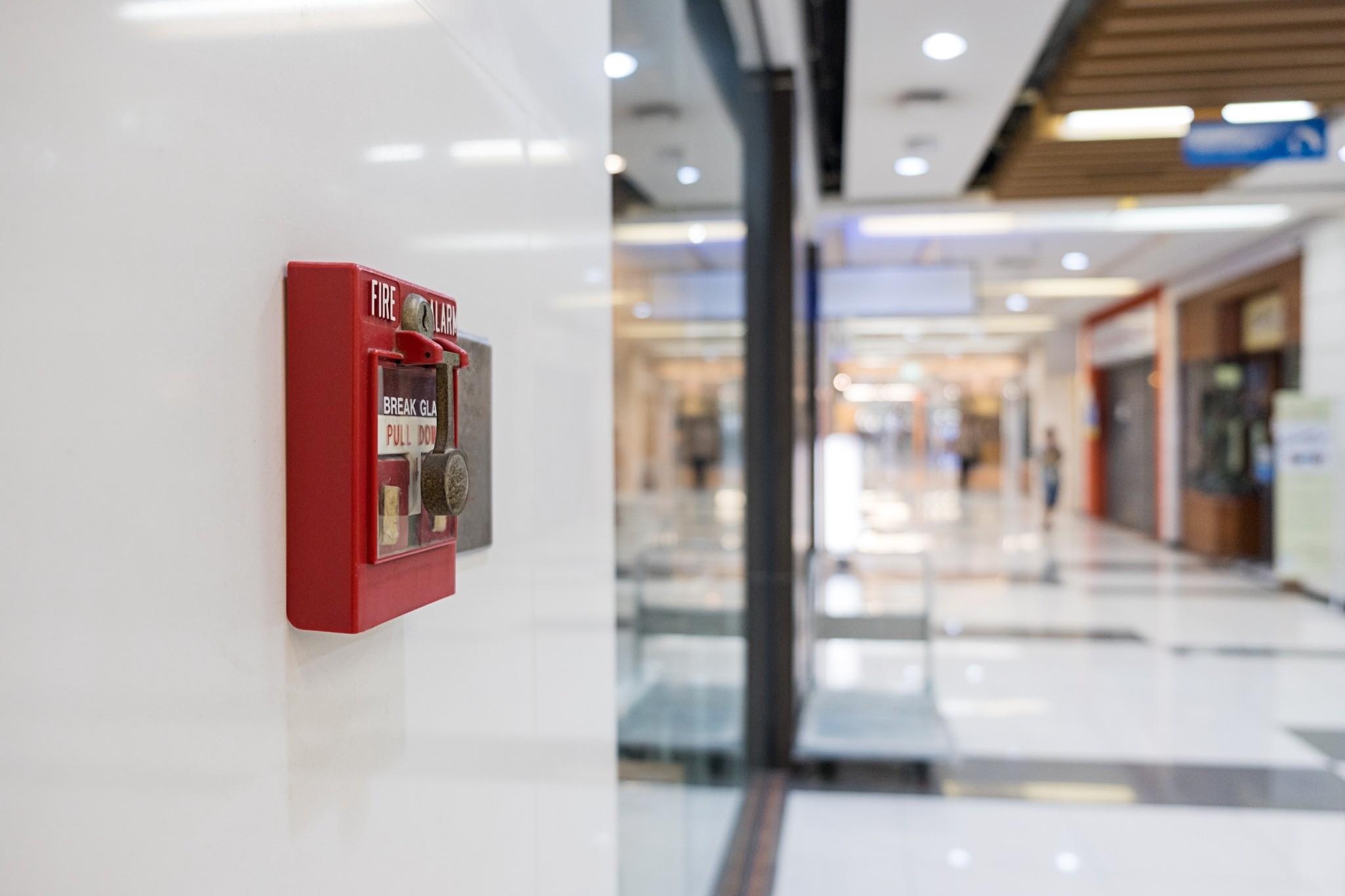
Manual Pull Stations
Each pull station is tested to verify:
• Proper activation
• System communication
• Alarm initiation
• Physical condition
Notification Appliances
Technicians verify that:
• Horns operate correctly.
• Strobes function properly.
• Voice evacuation systems perform as designed.
• Occupants receive appropriate notification.
Battery Backup
Backup batteries are inspected and tested to ensure the system remains operational during power outages.
Monitoring Connections
If the building utilizes professional monitoring, technicians verify alarm signals communicate properly with the monitoring center.
Why Smoke Detector Sensitivity Testing Is Important
One of the most overlooked aspects of fire alarm maintenance is smoke detector sensitivity testing.
Over time, smoke detectors naturally become more or less sensitive because of:
• Dust accumulation
• Dirt
• Aging components
• Environmental conditions
• Airborne contaminants
If detectors become too sensitive, nuisance alarms increase.
If they become insufficiently sensitive, fire detection may be delayed.
Sensitivity testing verifies detectors continue operating within the manufacturer’s specified performance range.
Signs Your Fire Alarm System Needs Service
Many commercial buildings exhibit warning signs before a system failure occurs.
Common indicators include:
• Frequent false alarms
• Trouble signals
• Supervisory signals
• Dirty detector warnings
• Battery failures
• Communication errors
• Intermittent alarms
• Occupant complaints
Prompt service helps prevent these issues from becoming larger problems.
High-Risk Facilities Require Even Greater Attention
Although every commercial building benefits from routine inspections, certain occupancies require additional attention because of their higher fire risk.
Examples include:
• Healthcare facilities
• Manufacturing plants
• Warehouses
• Data centers
• Hotels
• Schools
• Industrial facilities
• High-rise buildings
These facilities often rely on multiple integrated fire protection systems that require coordinated inspection and maintenance.
Fire Alarm Inspections Reduce False Alarms
False alarms remain one of the most common problems affecting commercial fire alarm systems.
Routine inspections help identify:
• Dirty detectors
• Improper detector placement
• Aging equipment
• Electrical problems
• Programming issues
• Environmental influences
Correcting these issues improves system reliability while reducing unnecessary disruptions.
Fire Alarm Systems Are Part of a Complete Fire Protection Strategy
Fire alarm systems work best when integrated with other life safety systems.
A comprehensive fire protection program often includes:
• Fire Sprinkler Systems
• Fire Alarm Monitoring
• Fire Pumps
• Fire Extinguishers
• Kitchen Hood Fire Suppression
• Special Hazard Fire Suppression
• Emergency Lighting
• Backflow Preventers
• Security Systems
Together, these systems detect fires, notify occupants, suppress flames, and support emergency responders.
Applicable NFPA Standards
Commercial fire alarm inspections are primarily governed by:
• NFPA 72 – National Fire Alarm and Signaling Code
Additional standards commonly referenced include:
• NFPA 70 – National Electrical Code
• NFPA 101 – Life Safety Code
Depending on the facility, additional occupancy-specific standards may also apply.
Why Preventive Maintenance Saves Money
Routine fire alarm inspections are one of the most cost-effective investments a facility owner can make.
Preventive maintenance helps:
• Reduce emergency repairs
• Extend equipment life
• Lower lifecycle costs
• Improve occupant safety
• Minimize false alarms
• Support insurance requirements
• Simplify regulatory inspections
• Reduce business interruption
The cost of routine inspections is minimal compared to the expense of system failures or fire-related losses.
Choose a Fire Protection Partner That Does More Than Inspect
The best fire protection providers do more than simply complete inspection checklists. They help building owners understand their systems, identify developing issues, prioritize repairs, and plan for future upgrades.
Working with a full-service provider allows you to:
• Schedule all inspections through one partner.
• Maintain complete inspection documentation.
• Receive expert repair recommendations.
• Coordinate system upgrades.
• Simplify compliance management.
• Improve long-term system reliability.
Protect Your Building with Routine Fire Alarm Inspections
Your fire alarm system protects your building every hour of every day—but only if it’s properly maintained. Routine inspections, testing, sensitivity evaluations, and preventive maintenance help ensure your system performs when lives depend on it while keeping your facility compliant with applicable fire codes.
We provide complete commercial fire alarm services, including engineering, design, installation, inspections, testing, monitoring, maintenance, repairs, emergency service, and system upgrades. Whether you manage a single office building or a nationwide portfolio of commercial properties, our experienced team can help ensure your fire alarm system remains reliable, compliant, and ready to respond when every second counts.