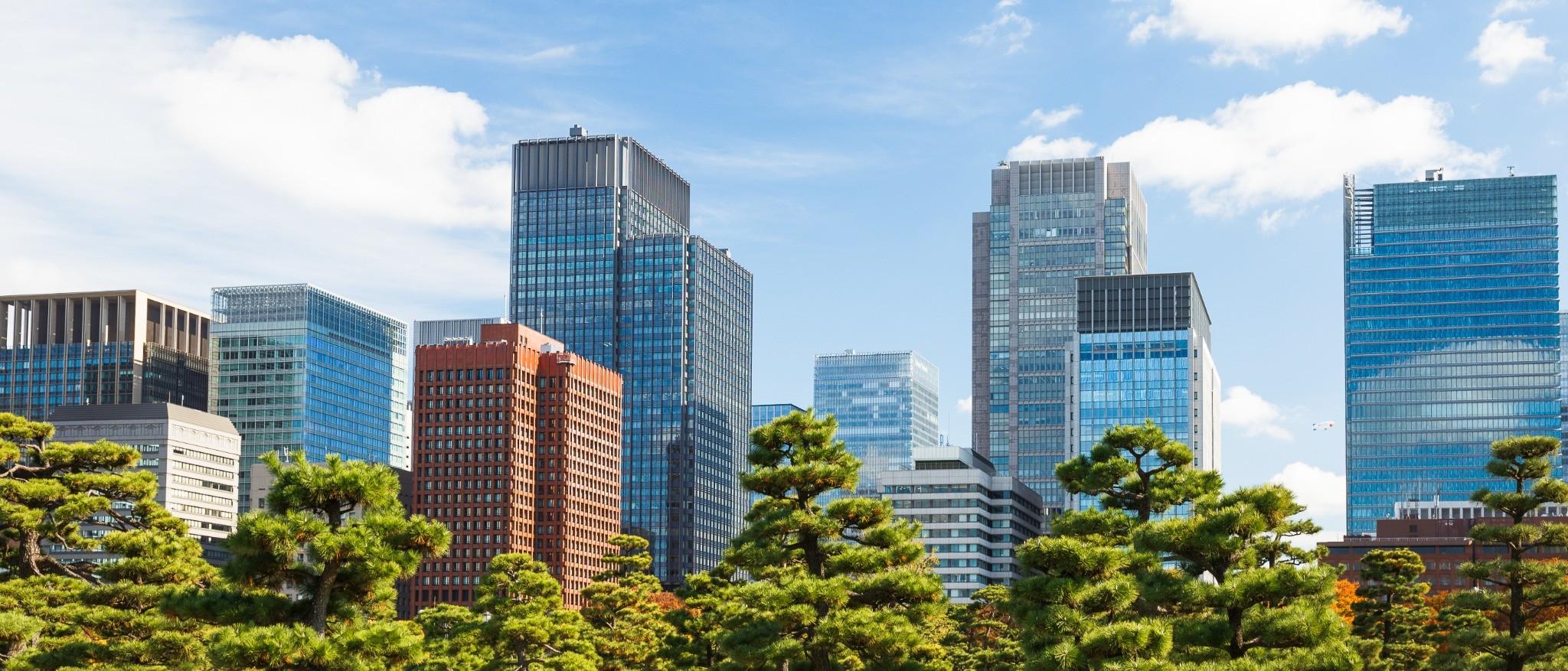
High-rise buildings present some of the most complex fire protection challenges of any commercial occupancy. Thousands of occupants may work, live, or visit a high-rise every day, while firefighters face longer response times to upper floors, more complicated evacuation procedures, and greater demands on building systems. Because of these unique risks, high-rise buildings require multiple layers of integrated fire protection designed to detect, contain, suppress, and communicate during a fire emergency.
From office towers and hotels to residential buildings, hospitals, and mixed-use developments, properly designed fire protection systems are critical for protecting lives, minimizing property damage, and maintaining business continuity.
This guide explains why fire protection is especially important in high-rise buildings, the systems required to protect them, and the best practices every building owner and facility manager should follow.
Why High-Rise Buildings Present Unique Fire Risks
Unlike low-rise buildings, fires in high-rise structures introduce additional challenges that can complicate both evacuation and firefighting operations.
These challenges include:
• Greater occupant loads
• Longer evacuation times
• Multiple tenant spaces
• Vertical smoke migration
• Limited firefighter access
• High-value building infrastructure
• Mechanical and electrical equipment located throughout the building
• Dependence on life safety systems
Because of these factors, early detection and automatic fire suppression become even more important.
Fire Protection Begins with Early Detection
A fire alarm system is the first line of defense in most high-rise buildings.
Modern commercial fire alarm systems continuously monitor the building for smoke, heat, or other fire conditions. When activated, they can immediately:
• Alert occupants
• Activate horns and strobes
• Broadcast voice evacuation messages
• Notify a monitoring center
• Alert the fire department
• Recall elevators
• Release fire doors
• Coordinate smoke control systems
The earlier a fire is detected, the more time occupants have to evacuate safely.
Automatic Fire Sprinkler Systems Save Lives
Automatic fire sprinkler systems remain one of the most effective methods of controlling fires in high-rise buildings.
Most high-rise buildings utilize wet pipe sprinkler systems because interior spaces remain climate controlled year-round.
Benefits include:
• Rapid fire suppression
• Reduced fire spread
• Lower property damage
• Improved occupant safety
• Greater firefighter safety
• Reduced business interruption
In many cases, a single sprinkler head can control a fire before firefighters arrive.
Fire Pumps Are Critical in Tall Buildings
Delivering water to upper floors requires significantly more pressure than low-rise buildings.
Fire pumps provide the additional pressure necessary to ensure sprinkler systems perform properly throughout the building.
Fire pumps are commonly required in:
• Office towers
• Hotels
• Hospitals
• Residential high-rises
• Mixed-use developments
Routine fire pump inspections and testing are essential for maintaining reliable system performance.
Standpipe Systems Support Firefighters
Many high-rise buildings include standpipe systems that provide firefighters with immediate access to water on upper floors.
Standpipe systems reduce the need to stretch hose lines from the ground level, allowing emergency responders to begin firefighting operations more quickly.
These systems are an important component of high-rise fire protection and require regular inspection and testing.
Smoke Control Systems Help Protect Occupants
Smoke often presents a greater danger than flames during a building fire.
Smoke control systems help:
• Remove smoke from exit paths
• Maintain tenable evacuation routes
• Protect stairwells
• Improve visibility
• Assist firefighters
Proper coordination between smoke control systems and fire alarm systems helps improve occupant safety during an emergency.
Voice Evacuation Systems Improve Emergency Communication
Traditional horns and strobes remain effective for many occupancies, but large high-rise buildings often benefit from voice evacuation systems.
These systems broadcast spoken instructions that help occupants understand:
• Where the emergency is located
• Which exits to use
• Whether to evacuate or shelter in place
• Additional emergency instructions
Clear communication reduces confusion and improves orderly evacuations.
Fire Alarm Monitoring Provides Around-the-Clock Protection
High-rise buildings often operate 24 hours a day.
Professional fire alarm monitoring ensures alarm signals receive immediate attention regardless of when an emergency occurs.
Monitoring services provide:
• 24/7 alarm supervision
• Immediate emergency notification
• Faster fire department dispatch
• Protection during off-hours
• Improved business continuity
Monitoring is especially important for buildings with overnight occupants.
Emergency Lighting and Exit Signs
During a fire, electrical power may be interrupted.
Emergency lighting and illuminated exit signs help occupants safely navigate evacuation routes even during power outages or low-visibility conditions.
Routine inspections verify these systems remain operational whenever they are needed.
Compartmentation Slows Fire Spread
Modern high-rise buildings are designed with fire-resistant construction features that help contain fires.
These may include:
• Fire-rated walls
• Fire-rated floors
• Smoke barriers
• Fire doors
• Fire dampers
Proper maintenance of these passive fire protection features is just as important as maintaining active fire protection systems.
Routine Inspections Keep Systems Ready
Because high-rise buildings depend on multiple integrated fire protection systems, routine inspections are essential.
Regular inspection programs often include:
• Fire sprinkler inspections
• Fire alarm inspections
• Fire pump testing
• Standpipe inspections
• Fire extinguisher inspections
• Emergency lighting testing
• Backflow preventer testing
• Fire door inspections
• Smoke control testing
Preventive maintenance helps identify deficiencies before they compromise occupant safety.
Applicable Fire Protection Codes
High-rise buildings are subject to numerous fire protection standards.
Frequently referenced codes include:
• NFPA 13 – Installation of Sprinkler Systems
• NFPA 25 – Inspection, Testing, and Maintenance of Water-Based Fire Protection Systems
• NFPA 72 – National Fire Alarm and Signaling Code
• NFPA 20 – Installation of Fire Pumps
• NFPA 101 – Life Safety Code
• International Building Code (IBC)
Additional state, municipal, and Authority Having Jurisdiction (AHJ) requirements may also apply depending on the building’s location and occupancy.
Common Fire Protection Challenges in High-Rise Buildings
Facility managers often face unique challenges when maintaining high-rise fire protection systems.
Common issues include:
• Aging fire alarm equipment
• Tenant improvements affecting sprinkler layouts
• Corrosion in sprinkler piping
• Fire pump maintenance
• Inspection scheduling
• Maintaining documentation
• Coordinating system impairments
• Updating systems to current code requirements
Developing a long-term inspection and maintenance plan helps reduce these challenges while extending system life.
Best Practices for High-Rise Fire Protection
Building owners and facility managers should take a proactive approach to fire protection.
Recommended best practices include:
• Schedule routine inspections in accordance with NFPA standards.
• Address deficiencies promptly.
• Test emergency communication systems regularly.
• Maintain accurate inspection records.
• Keep fire protection equipment accessible.
• Coordinate fire protection updates during renovations.
• Train building personnel on emergency procedures.
• Conduct periodic fire drills where appropriate.
These practices help ensure every fire protection system functions as intended during an emergency.
Protect Your High-Rise Building with a Comprehensive Fire Protection Strategy
Protecting a high-rise building requires far more than installing a fire alarm or sprinkler system. It demands a coordinated life safety strategy that integrates detection, suppression, emergency communication, smoke control, water supply, and ongoing inspection programs.
Whether you manage an office tower, hotel, healthcare facility, apartment building, or mixed-use development, we provide complete fire protection engineering, design, installation, inspections, testing, maintenance, monitoring, repairs, and emergency service. Our experienced team can help ensure your high-rise building remains compliant, reliable, and prepared to protect occupants when every second matters.