Choosing the right fire protection system is one of the most important decisions a building owner, facility manager, or developer can make. The right system helps protect lives, minimize property damage, maintain business continuity, and ensure compliance with National Fire Protection Association (NFPA) standards and local fire codes.
Selecting a commercial fire protection system isn’t simply a matter of choosing a sprinkler system or installing a fire alarm. Every building presents unique fire risks based on its occupancy, operations, construction, and hazards. The most effective fire protection strategy often combines multiple systems working together to detect, notify, suppress, and monitor a fire emergency.
This guide explains the key factors to consider when selecting a commercial fire protection system and how to determine the best solution for your facility.
Choosing a Fire Protection System Starts with Your Building
The way your building is used has a significant impact on the fire protection systems it requires. Occupancy type is one of the primary factors used to determine fire protection design, code requirements, and system selection.
Commercial occupancies may include:
• Office Buildings
• Warehouses & Distribution Centers
• Manufacturing Facilities
• Healthcare Facilities
• Educational Campuses
• Hotels & Hospitality
• Retail Centers
• Industrial Plants
• Data Centers
• Multi-Family Residential Buildings
Each occupancy has different fire hazards, operational requirements, and applicable codes that influence the type of fire protection system needed.
Evaluate the Fire Hazards Within Your Facility
Beyond occupancy type, understanding your facility’s specific fire risks is essential when selecting the appropriate protection systems.
Questions to consider include:
• Does your facility store combustible or flammable liquids?
• Do you have high-piled storage or warehouse racking?
• Are sensitive electronics or servers critical to operations?
• Is there a commercial kitchen on-site?
• Are hazardous materials manufactured or stored?
• Are portions of the building exposed to freezing temperatures?
• Does your operation run 24 hours a day?
Identifying these hazards helps determine which combination of fire protection systems will provide the highest level of protection.
Understanding Commercial Fire Protection Systems
Most commercial buildings rely on multiple fire protection systems working together to create a complete life safety solution.
Fire Sprinkler Systems
Automatic fire sprinkler systems remain the most common form of commercial fire protection. Depending on your facility, one or more of the following systems may be appropriate:
• Wet Pipe Fire Sprinkler Systems
• Dry Pipe Fire Sprinkler Systems
• Pre-Action Fire Sprinkler Systems
• Deluge Fire Sprinkler Systems
• ESFR Fire Sprinkler Systems
• In-Rack Fire Sprinkler Systems
• Quell Fire Sprinkler Systems
Each system is designed for specific building types, environmental conditions, and fire hazards.
Fire Alarm Systems
Fire alarm systems provide early fire detection and occupant notification, helping initiate a rapid emergency response.
Modern commercial fire alarm systems may include:
• Smoke Detection
• Heat Detection
• Manual Pull Stations
• Horn and Strobe Notification
• Voice Evacuation Systems
• Emergency Communications
• Fire Alarm Monitoring
Together, these components help alert building occupants and emergency responders as quickly as possible.
Special Hazard Fire Suppression Systems
Some facilities require specialized suppression systems that extend beyond traditional water-based sprinklers.
These systems include:
• FM-200 Clean Agent Systems
• FE-13 Clean Agent Systems
• CO₂ Fire Suppression Systems
• Foam Fire Suppression Systems
• Water Mist Fire Suppression Systems
• Vortex Hybrid Fire Suppression Systems
• Commercial Kitchen Hood Suppression Systems
Special hazard systems are commonly installed in data centers, telecommunications facilities, industrial processes, museums, commercial kitchens, aircraft hangars, and other mission-critical environments where traditional sprinkler systems may not provide the best protection.
Understand Applicable Fire Protection Codes
Commercial fire protection systems must comply with applicable building codes, fire codes, insurance requirements, and NFPA standards.
Some of the most commonly referenced standards include:
• NFPA 13 – Installation of Sprinkler Systems
• NFPA 25 – Inspection, Testing, and Maintenance of Water-Based Fire Protection Systems
• NFPA 72 – National Fire Alarm and Signaling Code
• NFPA 10 – Portable Fire Extinguishers
• NFPA 20 – Installation of Fire Pumps
• NFPA 96 – Commercial Kitchen Fire Protection
• NFPA 2001 – Clean Agent Fire Extinguishing Systems
Local Authorities Having Jurisdiction (AHJs) may also have additional requirements depending on your building’s location and occupancy.
Consider the Total Cost of Ownership
While installation costs are important, selecting the lowest-cost system isn’t always the most economical long-term decision.
When evaluating fire protection options, consider:
• Inspection and testing requirements
• Preventive maintenance costs
• Serviceability
• Equipment life expectancy
• Water supply requirements
• Future expansion capabilities
• Insurance considerations
• Business interruption risks
A properly designed fire protection system often delivers lower lifecycle costs while improving safety, reliability, and code compliance.
Plan for Future Growth
Many commercial facilities evolve over time through renovations, tenant improvements, warehouse reconfigurations, or operational changes.
Planning for future expansion during the initial design process can reduce future modification costs while allowing your fire protection systems to adapt as your business grows.
The Benefits of an Integrated Fire Protection Strategy
The most effective commercial fire protection programs utilize multiple systems that work together to protect people and property.
An integrated solution may include:
• Fire Sprinkler Systems
• Fire Alarm Systems
• Fire Alarm Monitoring
• Special Hazard Fire Suppression
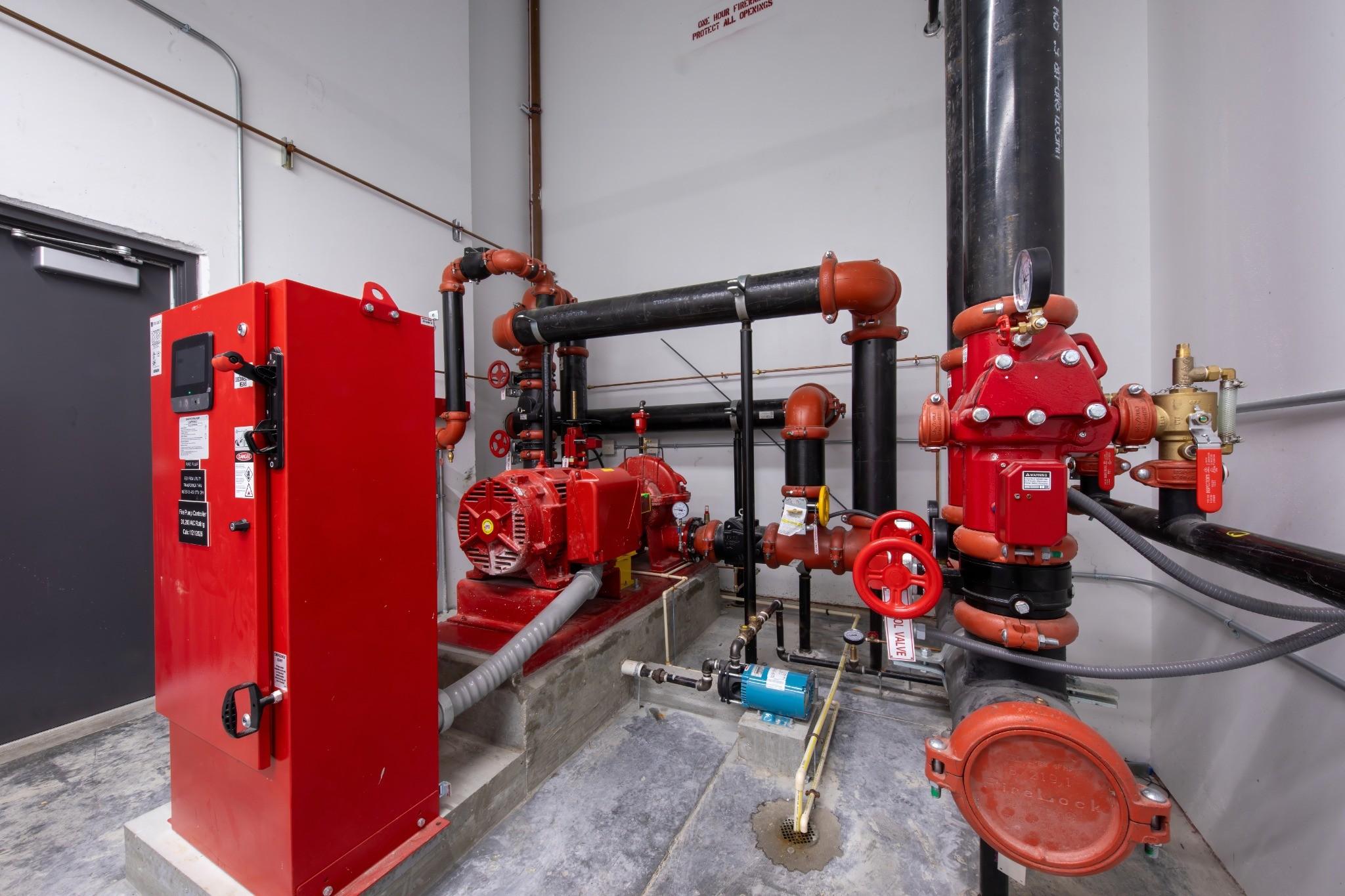
• Fire Pumps
• Portable Fire Extinguishers
• Backflow Preventers
• Emergency & Exit Lighting
• Security & Access Control Systems
When properly designed, installed, inspected, and maintained, these systems provide multiple layers of protection that improve occupant safety while reducing operational risk.
Why Professional Fire Protection Design Matters
Every commercial building presents unique fire protection challenges. Working with experienced fire protection professionals helps ensure your systems are designed to meet your facility’s specific needs while complying with applicable codes and industry standards.
A professionally designed system helps ensure:
• Proper system selection
• Code compliance
• Efficient system layout
• Future expansion flexibility
• Reliable long-term performance
• Simplified inspections and maintenance
• Protection for people, property, and business operations
Find the Right Fire Protection Solution for Your Facility
There is no one-size-fits-all commercial fire protection system. The best solution depends on your building’s occupancy, fire hazards, operational requirements, budget, and long-term goals.
Whether you’re constructing a new facility, expanding an existing building, or upgrading aging fire protection equipment, we can help you evaluate your options and recommend a solution designed for your specific needs. From engineering and installation to inspections, maintenance, monitoring, and ongoing service, our team delivers comprehensive commercial fire protection solutions that help businesses remain safe, compliant, and prepared.